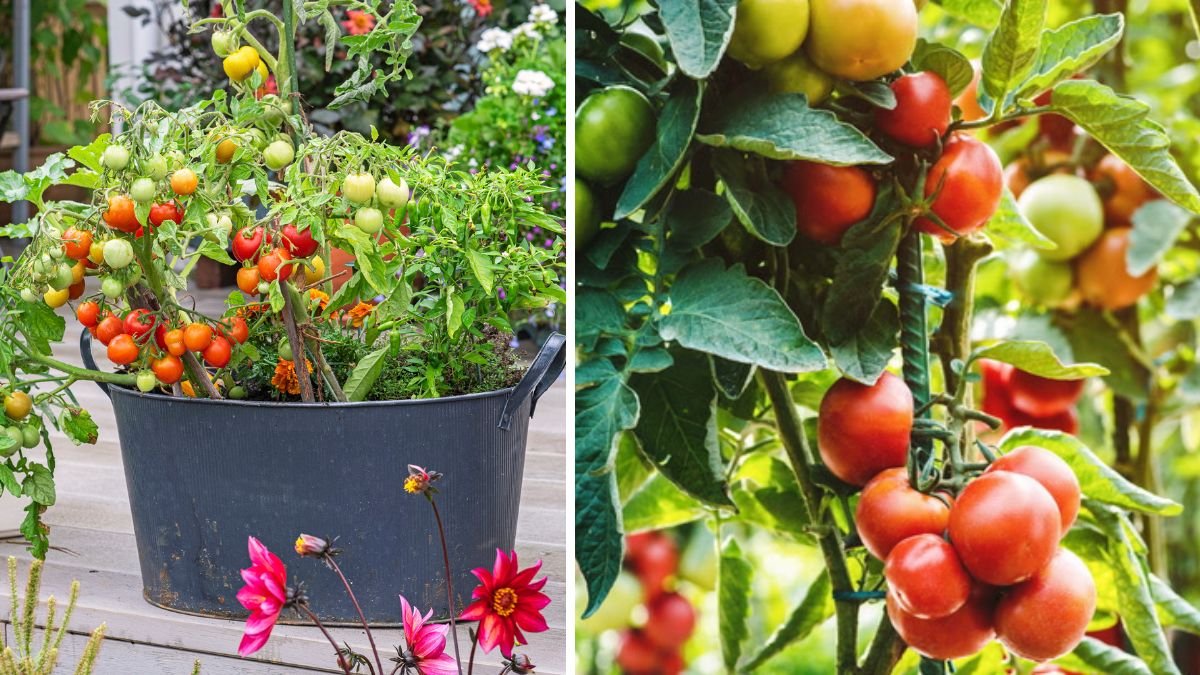
Growing your own tomatoes can be a rewarding experience, and you don’t need a green thumb or a large garden to start enjoying fresh, homegrown produce. With just a few kitchen scraps, you can cultivate a thriving tomato plant right in your kitchen or backyard. This guide will walk you through the process of growing tomatoes from scraps, along with care tips to ensure a bountiful harvest.
Understanding Tomato Varieties
Types of Tomatoes
Latest Posts
- With Just 1 Bottle of Water How I Was Shocked by What Happened When Growing Vegetables
- Maximize Your Home Garden with the Hanging Pea Sprout Growing Model – Space-Saving, High-Yield, and Easy-to-Manage Vertical Gardening Solution
- Just Water – The Secret to Growing Plump, White Peanut Sprouts Right at Home: A Step-by-Step Guide for Beginners
- Growing Zucchini at Home in a Container: How to Cultivate Large, Long Fruits with a 1-to-72 Day Step-by-Step Diary for Maximum Yield
- Grow Long Beans on the Terrace in Used Recycling Baskets: The Ultimate Guide to Easy, Space-Saving, and High-Yield Terrace Gardening
- How to Grow Tons of Long Beans Easily Without a Garden – A Complete Guide to Growing Healthy Yardlong Beans Without Fertilizers or Pesticides
- Easy Long Bean Growing Trick – No Garden, No Fertilizer, No Pesticide
- Grow Bitter Melon in Bottles — Harvest So Big You Can’t Eat It All! The Ultimate Guide to Bottle Gardening for Maximum Yields
- Growing Garlic Made Easy: No Soil, Fast Results – The Ultimate Guide to Growing Fresh Garlic Indoors Without Traditional Soil
- Wall-Mounted Hydroponic Watermelon System: Grow Large, Juicy, and Delicious Watermelons at Home with Minimal Space and Maximum Yield
Before you start, it’s essential to know the different types of tomatoes you can grow. Common varieties include:
- Cherry Tomatoes: Small and sweet, perfect for snacking.
- Roma Tomatoes: Ideal for sauces and canning.
- Beefsteak Tomatoes: Large and meaty, great for sandwiches.
- Heirloom Tomatoes: Unique flavors and colors, often preferred by gardeners for their taste.
Choose a variety that suits your culinary needs and gardening space.
How to Start: Growing Tomatoes from Scraps
Using Tomato Seeds from Grocery Tomatoes
-
Select the Right Tomatoes:
Choose ripe, organic tomatoes from your grocery store. Avoid hybrid varieties, as they may not produce true-to-type seeds. -
Extract Seeds:
- Cut the tomato in half and scoop out the seeds and surrounding gel.
- Place them in a bowl and add some water.
- Allow the mixture to ferment for 2-3 days. This helps remove the gel coating around the seeds.

-
Rinse and Dry:
After fermentation, rinse the seeds to remove any remaining gel. Spread them out on a paper towel to dry completely for several days before storing them.
Growing Tomato Plants from Kitchen Scraps
-
Planting the Seeds:
- Use small pots or seedling trays filled with seed-starting mix.
- Plant the seeds about ¼ inch deep and water them gently.
- Cover with plastic wrap to retain moisture. Place in a sunny spot.
-
Germination:
- Check daily to ensure the soil remains moist.
- Seeds typically germinate in 5-10 days. Once seedlings have two sets of true leaves, they need to be transplanted.
-
Transplanting:
- Carefully remove each seedling from the tray and transplant it into larger pots (at least 5-gallon containers) or directly in the garden.
Growing from Tomato Cuttings
If you have an existing tomato plant, you can propagate new plants from cuttings.
-
Select Healthy Cuttings:
- Cut a healthy stem about 4-6 inches long, making the cut just below a leaf node.
- Remove the lower leaves, leaving only 2-3 leaves at the top.
-
Rooting the Cuttings:
- Place the cuttings in a glass of water, ensuring the nodes are submerged.
- Place in a bright, indirect sunlight area. Change the water every few days.
-
Transplanting:
Once roots develop and are about 2 inches long (about 1-2 weeks), transplant them into pots or the garden soil.
Caring for Your Tomato Plants
Choosing the Right Location
Tomatoes thrive in warm, sunny conditions, requiring at least 6-8 hours of direct sunlight daily. Choose a spot in your garden or near a window that receives ample light.
Soil Requirements
Tomatoes prefer well-draining, nutrient-rich soil. Here’s how to prepare the soil:
-
Soil Preparation:
- Mix potting soil with compost if gardening in pots.
- For garden planting, till in organic matter, such as compost or well-rotted manure.

-
pH Level:
- Aim for a soil pH level between 6.0 and 6.8 for optimal growth. Test your soil and amend as needed.
Watering
Proper watering is crucial for healthy tomatoes.
- Young Plants: Water them daily, keeping the soil consistently moist but not soggy.
- Established Plants: Water deeply about once a week. Ensure the roots receive moisture but avoid overwatering, as it can promote diseases like blossom end rot.
Fertilizing
Fertilize your plants monthly with a balanced, slow-release fertilizer or a liquid fertilizer diluted to half strength. Look for a fertilizer labeled as “tomato feed,” which typically contains higher potassium levels to promote fruiting.
Supporting the Plants
As tomato plants grow, they may require support to prevent breakage.
- Staking: Use wooden stakes or tall cages to support the plants.
- Pruning: Remove the lower leaves and any suckers that grow in the leaf axils to promote better air circulation and fruit development.
Pest Control
Keeping your tomato plants healthy means being vigilant against pests.
Common Pests
- Aphids: Small insects that suck plant sap. They can be controlled with insecticidal soap or by introducing ladybugs.
- Whiteflies: They also suck plant sap and can be managed by using yellow sticky traps.
- Tomato Hornworms: Large green caterpillars that chew on leaves and fruit. Hand-picking is usually effective.
Organic Solutions
Consider organic pest control methods:
- Neem Oil: A natural pesticide that deters many common pests.
- Diatomaceous Earth: A powder that can be sprinkled around your plants to deter slugs and crawling insects.
Harvesting Your Tomatoes
Tomatoes are ready for harvest when they have reached full color and are slightly soft to the touch. Here’s how to harvest:
- Signs of Ripeness: Look for rich color (red, pink, yellow, or orange), depending on the variety.
- Gentle Tug: Twist and gently pull the fruit to detach it from the stem.
- Frequency: Regularly pick ripe fruit to encourage further production.
FAQs About Growing Tomatoes from Kitchen Scraps
1. Can you grow tomatoes from store-bought tomatoes?
Yes, you can grow tomatoes from seeds extracted from store-bought, ripe, and organic tomatoes.
2. How long does it take to grow tomatoes from seeds?
From seed to harvest, it typically takes 60 to 100 days, depending on the variety of tomato and growing conditions.
3. What should I do if my tomato plants are not producing fruit?
Check for adequate sunlight, humidity, proper watering, and nutrient levels. Also, ensure you’re not over-pruning.
4. How often should I water my tomato plants?
Water deeply about once a week, ensuring soil moisture without waterlogged conditions.
5. What is the best time to plant tomatoes?
Tomatoes thrive in warm weather. It’s best to plant tomatoes outdoors after the last frost date in your area.
6. Can I grow tomatoes indoors?
Yes, tomatoes can be grown indoors. Ensure they receive plenty of sunlight, or consider using grow lights.
7. What diseases affect tomato plants?
Common diseases include blight, wilt, and blossom end rot. Preventive measures include crop rotation, proper spacing, and selecting disease-resistant varieties.
8. How do I store ripe tomatoes?
Store them at room temperature away from direct sunlight. If you have more than you can use, consider canning or making sauce.
Conclusion
Growing tomatoes from kitchen scraps is not only a sustainable practice but also a rewarding endeavor that can yield fresh produce right from your kitchen or garden. With patience, proper care, and a little love, you can enjoy the sweet taste of homegrown tomatoes in your favorite dishes. Embrace this sustainable gardening practice and revel in the satisfaction of growing your own food! Happy gardening!