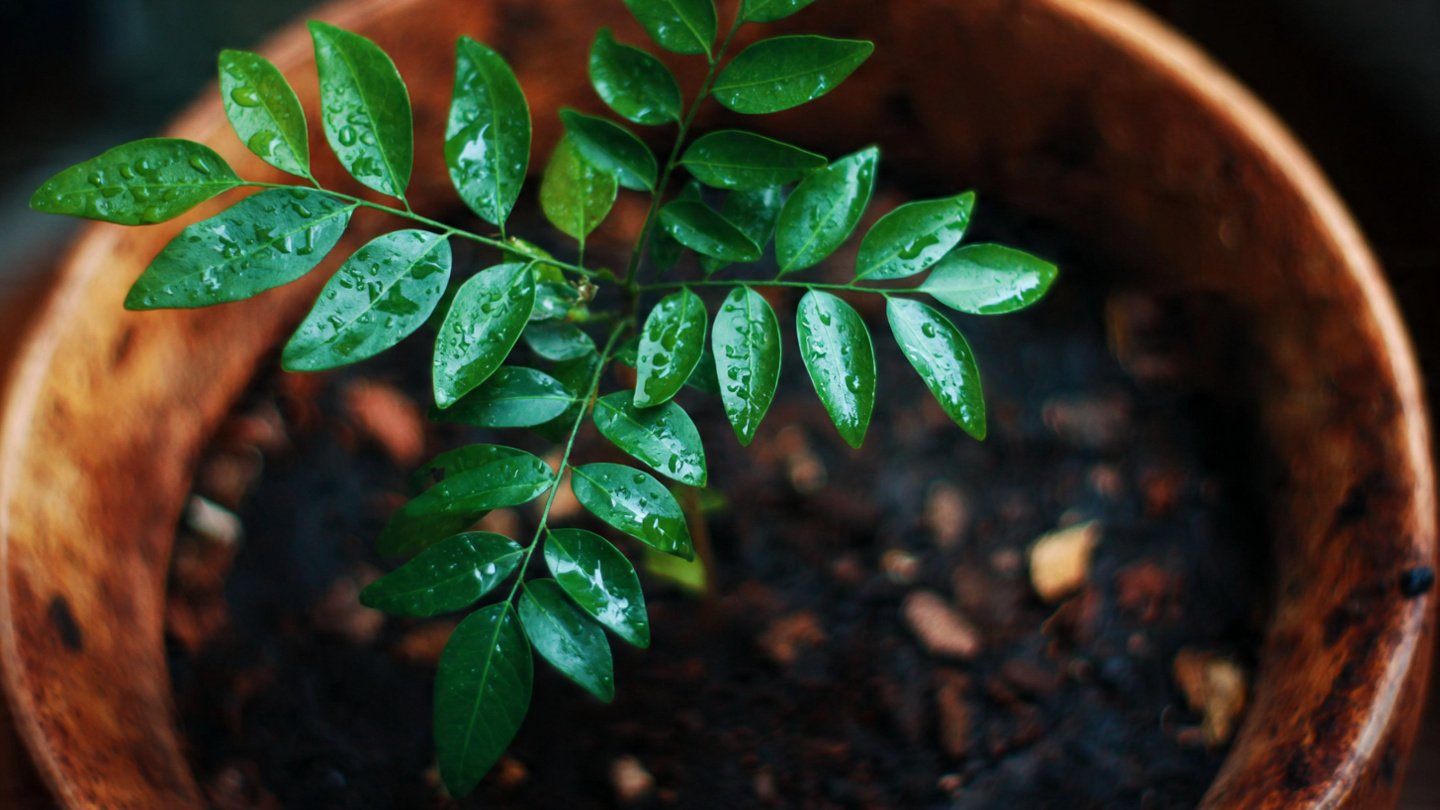
Curry leaf (Murraya koenigii) is a beloved herb in Indian and South Asian cuisine, known for its distinct aroma and flavor. Growing curry leaves at home can be a rewarding experience, offering you fresh leaves right at your fingertips. This guide will walk you through the process of growing curry leaves from seeds, along with care tips and maintenance advice.
Understanding Curry Leaf Plants
Before diving into the planting process, let’s understand a bit about the curry leaf plant. It is a tropical shrub that thrives in warm climates but can also be grown indoors in pots in cooler areas. The plant grows to about 4-6 feet in height and has glossy green leaves that contribute to its culinary significance.
Latest Posts
- With Just 1 Bottle of Water How I Was Shocked by What Happened When Growing Vegetables
- Maximize Your Home Garden with the Hanging Pea Sprout Growing Model – Space-Saving, High-Yield, and Easy-to-Manage Vertical Gardening Solution
- Just Water – The Secret to Growing Plump, White Peanut Sprouts Right at Home: A Step-by-Step Guide for Beginners
- Growing Zucchini at Home in a Container: How to Cultivate Large, Long Fruits with a 1-to-72 Day Step-by-Step Diary for Maximum Yield
- Grow Long Beans on the Terrace in Used Recycling Baskets: The Ultimate Guide to Easy, Space-Saving, and High-Yield Terrace Gardening
- How to Grow Tons of Long Beans Easily Without a Garden – A Complete Guide to Growing Healthy Yardlong Beans Without Fertilizers or Pesticides
- Easy Long Bean Growing Trick – No Garden, No Fertilizer, No Pesticide
- Grow Bitter Melon in Bottles — Harvest So Big You Can’t Eat It All! The Ultimate Guide to Bottle Gardening for Maximum Yields
- Growing Garlic Made Easy: No Soil, Fast Results – The Ultimate Guide to Growing Fresh Garlic Indoors Without Traditional Soil
- Wall-Mounted Hydroponic Watermelon System: Grow Large, Juicy, and Delicious Watermelons at Home with Minimal Space and Maximum Yield
Benefits of Growing Curry Leaf
- Fresh Supply: Having a curry leaf plant at home means you always have fresh leaves available for cooking.
- Aromatic Enhancements: The leaves can add a unique flavor and aroma to various dishes, including curries, soups, and stews.
- Health Benefits: Curry leaves are known for their health benefits, including aiding digestion, reducing cholesterol, and acting as a natural antioxidant.
- Natural Air Freshener: Beyond culinary uses, curry leaves can keep your indoor air fresh with their delightful scent.
Getting Started: Assembling Your Supplies

Here’s what you’ll need to grow curry leaves from seeds:
- Curry Leaf Seeds: Obtain fresh seeds from a reputable source or a nursery.
- Potting Soil: A well-draining potting mix is essential for healthy root development.
- Containers: You can use seed trays or small pots that have drainage holes.
- Watering Can or Spray Bottle: For proper watering without over-soaking.
- Plastic Bag or Plastic Wrap: To create a greenhouse effect while germinating the seeds.
- Location: A warm, sunny spot, or a growth light if growing indoors.
Step-by-Step Guide to Growing Curry Leaves from Seeds
1. Preparing the Seeds
Start by soaking the curry leaf seeds in water for 24 hours. This helps to soften the hard seed coat, promoting better germination. After soaking, drain the seeds and gently rub them with sandpaper to improve seed coat permeability.

2. Planting the Seeds
- Soil Preparation: Fill your containers with a well-draining potting mix. You can create a mixture of garden soil, sand, and compost.
- Planting Depth: Plant the seeds about half an inch deep. The seeds should be spaced at least 2-3 inches apart to allow room for growth.
3. Watering the Seeds
Water the soil gently using a watering can or spray bottle. Ensure that the soil is moist but not waterlogged. The goal is to keep the soil consistently damp to promote germination while avoiding root rot.
4. Creating a Greenhouse Effect
To maintain humidity and warmth, cover the containers with a plastic bag or plastic wrap. This will create a mini-greenhouse effect, helping the seeds to germinate faster. Make sure to check daily and remove the cover for a few hours to allow air circulation.
5. Germination Process
Curry leaf seeds typically take about 2 to 3 weeks to germinate. Once seedlings have emerged, remove the plastic covering. Make sure they are located in a warm area with plenty of indirect sunlight.

6. Transplanting the Seedlings
After the seedlings have grown a few sets of leaves and are about 3-4 inches tall, you can transplant them into larger pots. Choose pots that are at least 6-8 inches in diameter. This gives the roots adequate space to grow.
7. Care and Maintenance
- Watering: Water your curry leaf plant regularly to keep the soil moist. However, during the dormant winter months, reduce watering as the plant requires less moisture.
- Lighting: Ensure the plant receives at least 6 hours of sunlight daily. If growing indoors, consider using grow lights to supplement natural light.
- Fertilizing: Apply a balanced liquid fertilizer once a month during the growing season (spring and summer) to encourage growth.
- Pruning: Prune your curry leaf plant to maintain its shape and encourage bushier growth.
8. Harvesting
Once your curry leaf plant is mature (usually after around 6-12 months of growth), you can start harvesting leaves. Pinch off the leaves gently, ensuring that you do not remove too many at once. Always leave some leaves on the plant to ensure continued growth.
FAQs

1. Can I grow curry leaf plants indoors?
Yes, curry leaf plants can be successfully grown indoors as long as they receive sufficient sunlight and are cared for properly.
2. How do I know if my seeds are viable?
Fresh seeds from a reliable source should have a germination rate of around 70%. If you’re unsure, you can conduct a germination test by planting a few seeds in a small pot to see if they sprout.
3. What should I do if my leaves turn yellow?
Yellowing leaves may indicate overwatering or nutrient deficiency. Check your watering schedule and consider amending the soil with fertilizer.
4. How often should I water my curry leaf plant?
Water the plant when the top inch of soil feels dry. Ensure good drainage to avoid waterlogging.
5. Can curry leaf plants grow from cuttings?

Yes, curry leaf plants can be propagated from cuttings, but starting from seeds is the most common method.
6. What pests or diseases should I look out for?
Common pests include aphids and spider mites. Neem oil can be an effective organic pesticide. Watch for signs of root rot, especially if overwatering is a concern.
7. How long does it take for curry leaf seeds to germinate?
Curry leaf seeds usually take about 2 to 3 weeks to germinate, depending on the conditions.
Conclusion
Growing curry leaves from seeds can be a delightful addition to your home gardening experience. With patience and the right care, you’ll enjoy a steady supply of fresh curry leaves that enhance your culinary creations. Start your journey today and relish the benefits of having this aromatic herb right in your backyard or kitchen!