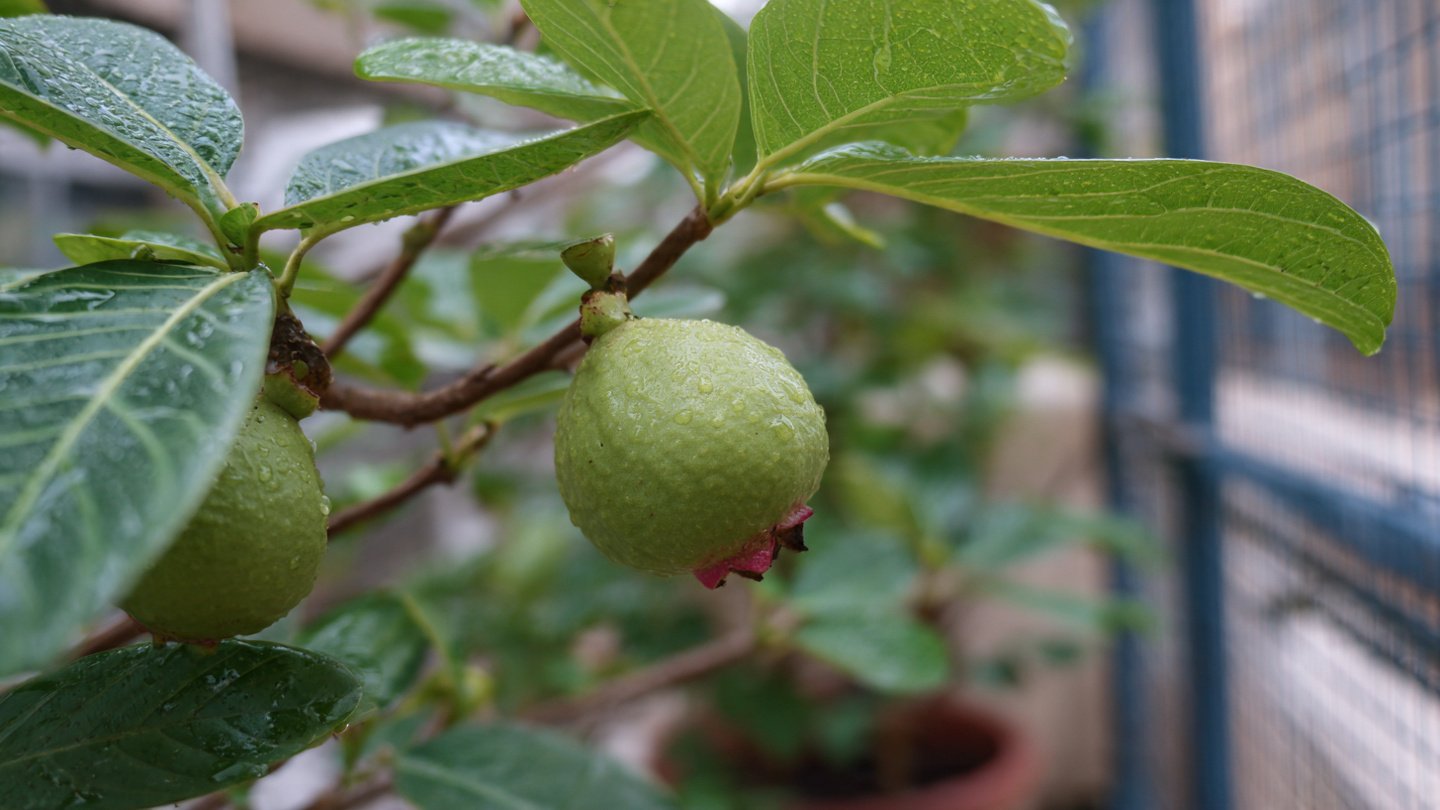
Guava, a tropical fruit adored for its fragrant aroma and sweet flavor, is not only a delicious treat but also a rewarding plant to grow in your home garden. If you’re a beginner looking to cultivate guava at home, you’ve come to the right place. This article will guide you through simple steps for successful guava cultivation while addressing common questions and concerns in the FAQ section.
Understanding Guava
Guava (Psidium guajava) is a small evergreen tree native to Central America but has become popular worldwide due to its adaptability and health benefits. Guava trees can grow anywhere from 10 to 30 feet tall and bear round or pear-shaped fruit that comes in various colors, including green, yellow, and pink.
Latest Posts
- With Just 1 Bottle of Water How I Was Shocked by What Happened When Growing Vegetables
- Maximize Your Home Garden with the Hanging Pea Sprout Growing Model – Space-Saving, High-Yield, and Easy-to-Manage Vertical Gardening Solution
- Just Water – The Secret to Growing Plump, White Peanut Sprouts Right at Home: A Step-by-Step Guide for Beginners
- Growing Zucchini at Home in a Container: How to Cultivate Large, Long Fruits with a 1-to-72 Day Step-by-Step Diary for Maximum Yield
- Grow Long Beans on the Terrace in Used Recycling Baskets: The Ultimate Guide to Easy, Space-Saving, and High-Yield Terrace Gardening
- How to Grow Tons of Long Beans Easily Without a Garden – A Complete Guide to Growing Healthy Yardlong Beans Without Fertilizers or Pesticides
- Easy Long Bean Growing Trick – No Garden, No Fertilizer, No Pesticide
- Grow Bitter Melon in Bottles — Harvest So Big You Can’t Eat It All! The Ultimate Guide to Bottle Gardening for Maximum Yields
- Growing Garlic Made Easy: No Soil, Fast Results – The Ultimate Guide to Growing Fresh Garlic Indoors Without Traditional Soil
- Wall-Mounted Hydroponic Watermelon System: Grow Large, Juicy, and Delicious Watermelons at Home with Minimal Space and Maximum Yield
Benefits of Growing Guava
- Nutritional Value: Guavas are rich in vitamins C and A, antioxidants, and dietary fiber, making them an excellent addition to your diet.
- Versatile Uses: You can eat them fresh, use them in smoothies, jams, or desserts, or even make guava juice.
- Attractive Aesthetic: Guava trees can be a beautiful addition to your garden, offering fragrant flowers and lush green foliage.
Choosing the Right Variety
Before you begin your guava-growing journey, it’s essential to choose the right variety that suits your climate. Here are a few popular types:
- Common Guava: This is the most widely grown variety, known for its high yield and sweet flavor.
- Pineapple Guava: Also known as Feijoa, this variety has a unique flavor reminiscent of pineapple.
- Strawberry Guava: This smaller variety produces smaller fruits with a strawberry-like flavor.

Consider Your Climate
Guava trees thrive in warm temperatures, ideally between 70°F and 90°F (21°C to 32°C). They are hardy and can tolerate some frost, but prolonged cold weather can damage the tree. If you live in a temperate climate, consider growing them in containers so you can move them indoors during colder months.
Step-by-Step Guide to Growing Guava
1. Procuring Seeds or Seedlings
You can start your guava garden by either planting seeds or purchasing young seedlings from a nursery. Seeds can be obtained from ripe guava fruit, but for more reliable results, buying seedlings is often the better option.
- From Seeds: To plant from seeds, choose ripe guava, extract the seeds, wash them, and let them dry for a few days.
- From Seedlings: If you prefer seedlings, look for healthy plants with no signs of pests or disease.
2. Preparing the Soil
Guava thrives best in well-draining soil rich in organic matter. Here’s how to prepare the soil:
- Soil Type: Use a mix of sandy loam and compost. If you’re using potting soil, ensure it has good drainage.
- pH Level: Guava prefers slightly acidic to neutral pH levels (between 6.0 and 7.0).
- Adding Nutrients: Incorporate organic fertilizers to provide essential nutrients.
3. Planting Your Guava

Whether you’re planting seeds or seedlings, consider the following steps:
-
Seed Planting: Plant your seeds about 1 inch deep in the soil. Water thoroughly and cover with plastic wrap to create a humid environment. Remove the wrap once the seeds germinate, typically within 2-4 weeks.
-
Seedling Planting: Dig a hole slightly larger than the root ball of your seedling. Place the seedling in the hole, ensuring the root collar is level with the soil surface. Fill in with soil and water thoroughly.
4. Watering
Guavas require consistent moisture, especially during their early growth stages. Here are watering tips:
- Frequency: Water young plants every 2-3 days or whenever the top inch of soil feels dry.
- Established Plants: Once established, reduce watering frequency. Guavas prefer slightly dry conditions over being waterlogged.
5. Sunlight Requirements
Guava trees thrive in full sunlight. Aim for at least 6-8 hours of direct sunlight daily. If you grow guava indoors, locate them near a bright window or use grow lights.
6. Fertilizing
To promote growth and fruiting, fertilize your guava tree every 6-8 weeks during the growing season (spring to summer). Use a balanced, slow-release fertilizer rich in nitrogen, phosphorus, and potassium.

7. Pruning
Regular pruning is essential for maintaining a healthy guava tree. Here’s how to do it:
- Timing: Prune during late winter or early spring before new growth begins.
- Techniques: Remove dead or damaged branches and thin out crowded areas to improve airflow. Prune to shape the tree and encourage bushier growth.
8. Pest and Disease Management
Guava trees can be susceptible to pests like fruit flies, aphids, and scale insects, as well as diseases like root rot. Here’s how to manage these issues:
- Pest Control: Use organic insecticides or neem oil for pest issues. Regularly inspect the plants for early signs of pest infestation.
- Disease Prevention: Ensure good drainage to prevent root rot. Avoid overwatering and keep the area around the tree clean.
9. Harvesting
Guavas typically bear fruit within 2-4 years of planting, depending on the variety. Here’s how to know when to harvest:
- Color Change: The fruit will change color from green to yellow or soft green when ripe.
- Fragrance: Ripe guavas emit a strong, sweet aroma.
- Softness: Gently press the fruit. It should yield slightly to pressure.

FAQs
1. Can guavas be grown in pots?
Yes, guavas can be successfully grown in pots. Ensure the pot has good drainage and is at least 5 gallons in size.
2. How much sunlight do guava trees need?
Guava trees require full sun, ideally 6-8 hours of direct sunlight daily.
3. When is the best time to plant guava?
The best time to plant guava is in the spring after the last frost when the soil has warmed up.
4. How often should guava trees be watered?
Young guava trees require watering every 2-3 days, while established trees should be watered when the top inch of soil feels dry.
5. What pests should I watch for?
Common pests include fruit flies, aphids, and spider mites. Regularly inspect your plants for signs of infestations.

6. Are guava trees cold-hardy?
Guava trees are somewhat frost-sensitive. While they can tolerate light frosts, they are best grown in warmer climates. In colder areas, consider growing them in pots so you can bring them indoors during freezing temperatures.
7. How long till guava trees bear fruit?
Guava trees typically begin to bear fruit 2-4 years after planting, depending on the variety and growing conditions.
8. Can you grow guavas in an indoor garden?
Yes! Guavas can adapt to indoor conditions, provided they receive ample sunlight and good air circulation.
9. What is the best fertilizer for guava trees?
A balanced, slow-release fertilizer rich in nitrogen, phosphorus, and potassium works best for promoting healthy growth and fruiting.
Conclusion
Growing guava at home is not only rewarding but also enriches your gardening experience with a delicious fruit that can enhance your meals and snacks. By following these simple steps and maintaining your guava trees with care, you can enjoy a bountiful harvest year after year. Happy gardening!