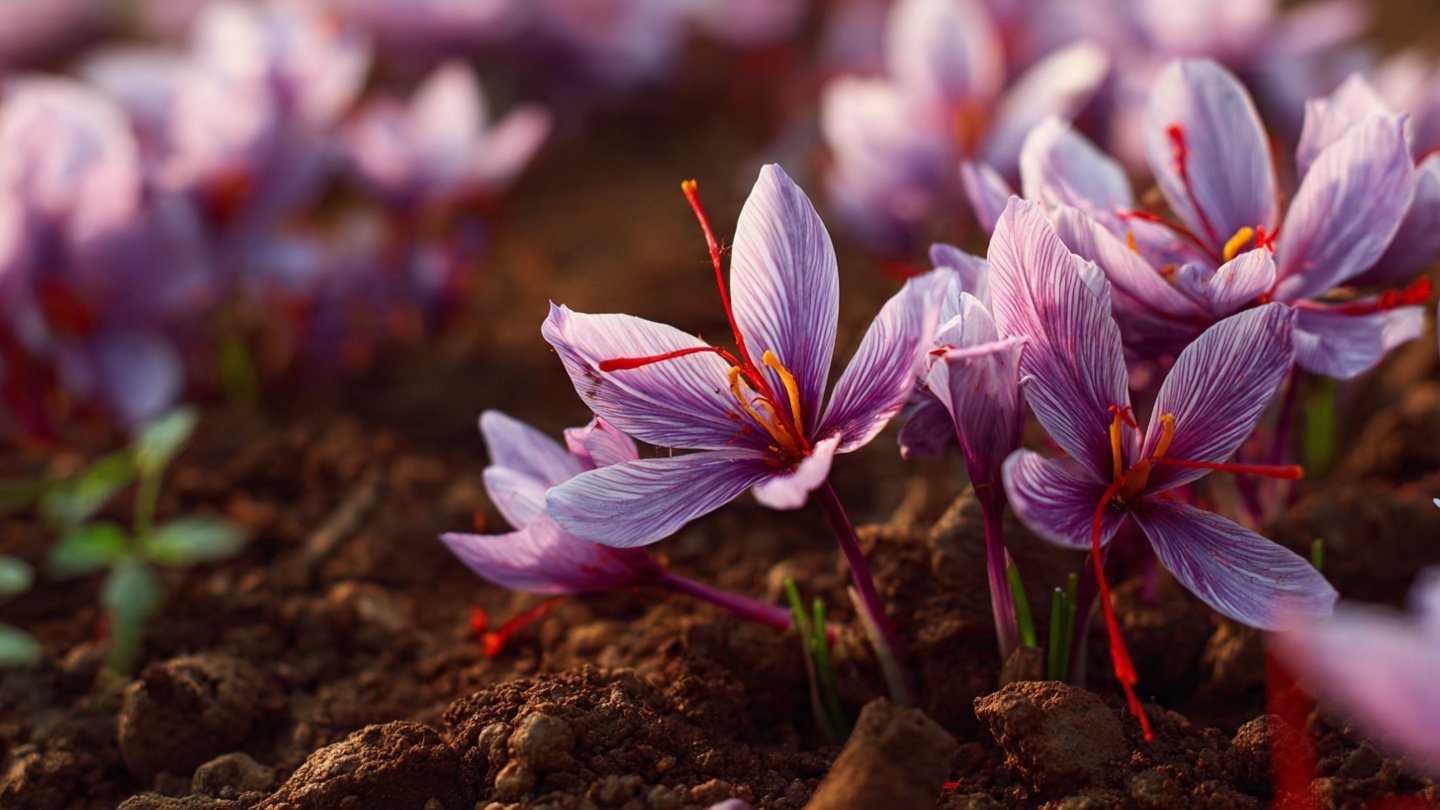
Saffron, derived from the stigma of the Crocus sativus flower, is one of the most expensive spices in the world, which makes its cultivation a fascinating venture for gardeners and culinary enthusiasts. Those who are willing to invest their time and resources can successfully grow saffron at home, transforming their gardens into vibrant patches of purple elegance. This article outlines the step-by-step process to cultivate saffron, offering practical advice, seasonal guidance, and common FAQs for prospective saffron growers.
Understanding Saffron
What is Saffron?
Latest Posts
- With Just 1 Bottle of Water How I Was Shocked by What Happened When Growing Vegetables
- Maximize Your Home Garden with the Hanging Pea Sprout Growing Model – Space-Saving, High-Yield, and Easy-to-Manage Vertical Gardening Solution
- Just Water – The Secret to Growing Plump, White Peanut Sprouts Right at Home: A Step-by-Step Guide for Beginners
- Growing Zucchini at Home in a Container: How to Cultivate Large, Long Fruits with a 1-to-72 Day Step-by-Step Diary for Maximum Yield
- Grow Long Beans on the Terrace in Used Recycling Baskets: The Ultimate Guide to Easy, Space-Saving, and High-Yield Terrace Gardening
- How to Grow Tons of Long Beans Easily Without a Garden – A Complete Guide to Growing Healthy Yardlong Beans Without Fertilizers or Pesticides
- Easy Long Bean Growing Trick – No Garden, No Fertilizer, No Pesticide
- Grow Bitter Melon in Bottles — Harvest So Big You Can’t Eat It All! The Ultimate Guide to Bottle Gardening for Maximum Yields
- Growing Garlic Made Easy: No Soil, Fast Results – The Ultimate Guide to Growing Fresh Garlic Indoors Without Traditional Soil
- Wall-Mounted Hydroponic Watermelon System: Grow Large, Juicy, and Delicious Watermelons at Home with Minimal Space and Maximum Yield
Saffron is the dried stigma of the saffron crocus, a perennial flower known for its striking purple petals. Each flower produces three red stigmas, which are harvested and dried to yield the spice. One of the reasons behind saffron’s high cost is that it takes approximately 150,000 flowers to produce just one kilogram of saffron. This labor-intensive process, combined with the specific growing conditions required, contributes to its premium price.
Why Grow Saffron at Home?
Growing saffron at home presents several benefits:
- Cost-Effective: Once established, a small saffron plot can yield enough spice for personal consumption, reducing grocery expenses.
- Culinary Delights: Fresh saffron has a more potent flavor than commercially available options.
- Aesthetic Appeal: The vibrant flowers add beauty and elegance to any garden.
- Sustainable Option: Home cultivation allows for organic gardening practices, ensuring purity and quality.
Cultivation Process
1. Choosing the Right Location
Saffron thrives in well-drained, sandy soil that is rich in nutrients. Here are some factors to consider when selecting a location:
- Sunlight: Saffron requires full sunlight (at least six hours of direct sunlight daily).
- Drainage: Ensure the area has good drainage; waterlogged soil can cause bulb rot.
- Space: Allocate enough space, as saffron bulbs require room to expand.
2. Soil Preparation
Prepare the soil before planting:
- Testing pH Levels: Saffron prefers slightly acidic to neutral soil (pH 6-7).
- Amending the Soil: Add organic matter like compost or well-rotted manure to improve nutrient levels.
- Tilling: Loosen the soil to a depth of about 12 inches to promote root growth and enhance drainage.
3. Procuring Saffron Bulbs
Buy high-quality saffron corms (bulbs) from a reputable supplier or local nursery. Ensure:
- Quality of Bulbs: Choose healthy, disease-free bulbs; avoid bulbs that are soft or have any signs of rot.
- Varieties: While Crocus sativus is the most common species for saffron, there are several cultivars. Research to find the best suited for your growing zone.
4. Planting the Bulbs
The best time to plant saffron bulbs is in late summer or early fall (August to September):
- Depth: Plant bulbs approximately 4-5 inches deep, ensuring the pointed end is facing upwards.
- Spacing: Space bulbs 6-8 inches apart to allow for growth.
- Watering: Lightly water after planting, but do not overwater.
5. Caring for Saffron Plants
Once established, saffron requires minimal maintenance:
- Watering: Water sparingly; saffron is drought-tolerant and prefers dry conditions. Ideally, water should be limited until the flowers emerge.
- Weeding: Remove weeds that compete for nutrients and sunlight. Be careful not to disturb the bulbs.
- Mulching: Applying a thin layer of mulch can help retain moisture and suppress weeds.
6. Harvesting Saffron
The saffron flowering period usually occurs in October to November:
- Identifying Blossoms: Flowers will bloom for about a week. Harvest them early in the morning when the flowers are just opening.
- Harvesting Process: Pluck the red stigmas carefully, ensuring not to damage the flowers. Use tweezers for precision.
- Drying and Storing Saffron: Spread the stigmas on a paper towel and allow them to dry in a cool, dark place for about a week. Store dried saffron in an airtight container away from light.

7. Post-Harvest Care
After harvesting:
- Fertilization: Apply a low-nitrogen fertilizer once every two years to support bulb health.
- Dormancy: Bulbs will go dormant during the summer; ensure they remain undisturbed in the ground.
Common Mistakes to Avoid
- Overwatering: Saffron requires minimal water; overwatering leads to bulb rot.
- Poor soil drainage: Ensure your planting site has great drainage.
- Neglecting to protect from pests: Watch out for pests and diseases. Using organic pest control can mitigate risks.
FAQs about Cultivating Saffron at Home
1. How long does it take for saffron bulbs to flower?
- Saffron bulbs typically flower within the first year of planting, assuming optimal growing conditions.
2. What climate is best for saffron cultivation?
- Saffron grows best in temperate climates with hot, dry summers and cool winters. It can tolerate cold down to about 5°F (-15°C).
3. Can saffron be grown in containers?
- Yes, saffron can be successfully grown in pots as long as the container has good drainage.
4. How much saffron can I expect from a few bulbs?
- A small plot of about 50 bulbs can yield around 0.5 grams of dried saffron each flowering season.
5. Is saffron cultivation labor-intensive?
- While saffron cultivation requires some initial effort, particularly during planting and harvesting, it is relatively low-maintenance once established.
6. Can I grow saffron in regions with heavy rainfall?
- Saffron does not thrive in consistently wet conditions; if you live in a wet area, consider container gardening with excellent drainage.
7. How do I know when to harvest?
- The flowers bloom for about a week. Harvest when the flowers are fully open in the morning.
8. Can I use saffron immediately after harvesting?
- While you can use the fresh stigmas, for the best flavor, it’s recommended to dry them first.
Conclusion
Cultivating saffron at home not only connects you with the art of gardening but also provides you with a unique spice that enhances culinary delights. With the right conditions, knowledge, and care, anyone can grow saffron and experience the joy of this exquisite bloom. Whether you choose to grow it for personal use or as a decorative plant, saffron is sure to beautify your space and enrich your kitchen.