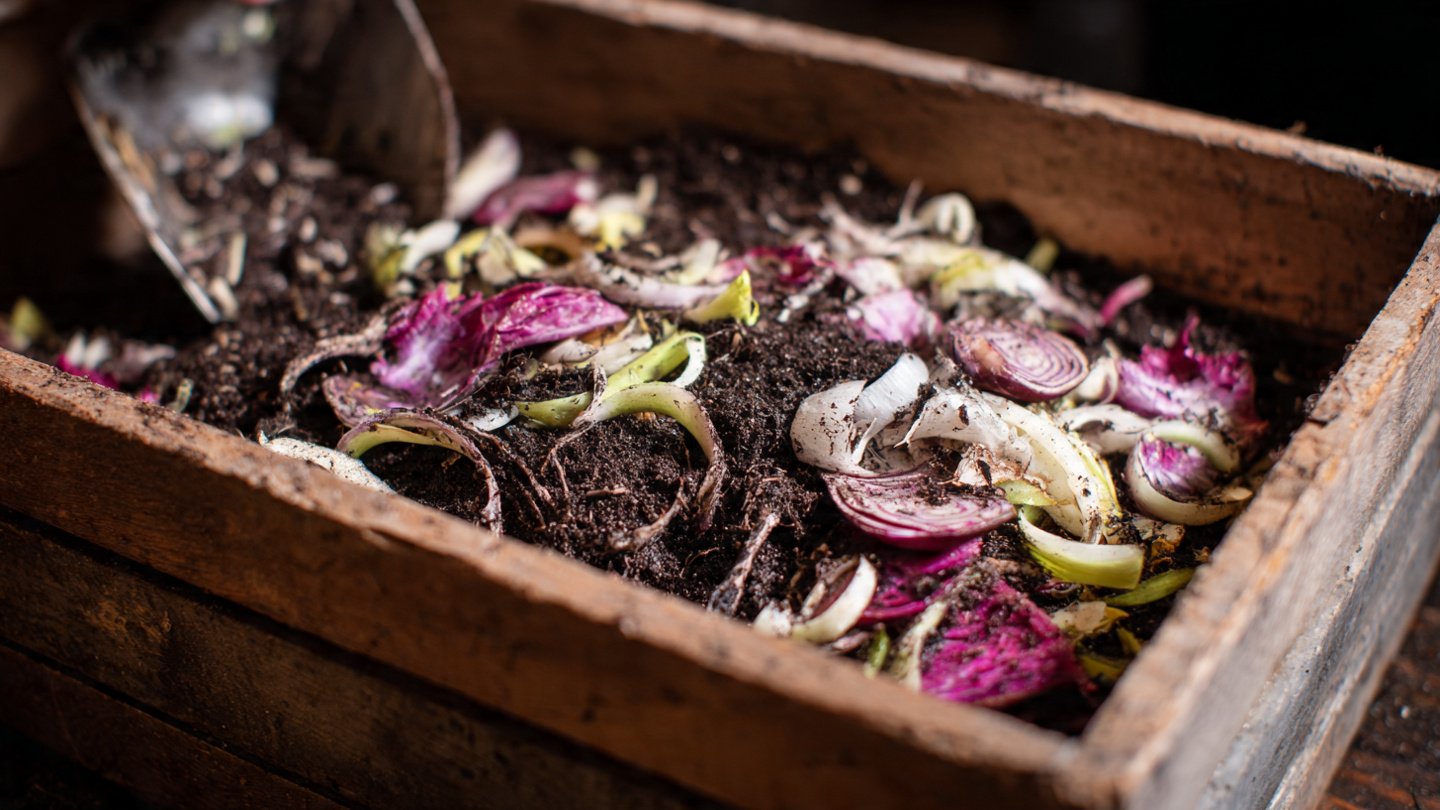
Composting is an effective way to recycle organic waste, enrich the soil, and ultimately enhance plant health in your garden. By utilizing kitchen scraps, you can create nutrient-rich compost with minimal effort and resources. This article will guide you through the composting process, the essential components required, and some tips and tricks to create your own compost at home.
Why Composting?
Composting benefits not just your garden, but the environment as well. It reduces landfill waste, decreases greenhouse gas emissions, and lessens the need for chemical fertilizers. By turning your kitchen scraps into compost, you’re contributing positively to the ecosystem while simultaneously enjoying the fruits of your labor in a more sustainable garden.
Latest Posts
- With Just 1 Bottle of Water How I Was Shocked by What Happened When Growing Vegetables
- Maximize Your Home Garden with the Hanging Pea Sprout Growing Model – Space-Saving, High-Yield, and Easy-to-Manage Vertical Gardening Solution
- Just Water – The Secret to Growing Plump, White Peanut Sprouts Right at Home: A Step-by-Step Guide for Beginners
- Growing Zucchini at Home in a Container: How to Cultivate Large, Long Fruits with a 1-to-72 Day Step-by-Step Diary for Maximum Yield
- Grow Long Beans on the Terrace in Used Recycling Baskets: The Ultimate Guide to Easy, Space-Saving, and High-Yield Terrace Gardening
- How to Grow Tons of Long Beans Easily Without a Garden – A Complete Guide to Growing Healthy Yardlong Beans Without Fertilizers or Pesticides
- Easy Long Bean Growing Trick – No Garden, No Fertilizer, No Pesticide
- Grow Bitter Melon in Bottles — Harvest So Big You Can’t Eat It All! The Ultimate Guide to Bottle Gardening for Maximum Yields
- Growing Garlic Made Easy: No Soil, Fast Results – The Ultimate Guide to Growing Fresh Garlic Indoors Without Traditional Soil
- Wall-Mounted Hydroponic Watermelon System: Grow Large, Juicy, and Delicious Watermelons at Home with Minimal Space and Maximum Yield
What You Can Compost
Understanding what to include in your compost pile is crucial. Compost materials can be categorized into two groups: green materials and brown materials.
Green Materials
These are nitrogen-rich materials, which help speed up the composting process. Examples include:
- Fruit and vegetable scraps (e.g., banana peels, apple cores)
- Coffee grounds and filters
- Tea bags
- Fresh grass clippings
- Wet leaves
- Eggshells
Brown Materials
Brown materials are carbon-rich and provide bulk to the compost, which helps with aeration. They include:

- Dried leaves
- Straw and hay
- Paper and cardboard (shredded)
- Wood chips and sawdust
- Pine needles
What to Avoid
Not all organic materials are suitable for composting. Avoid adding:
- Meat, fish, and dairy products (they can attract pests)
- Oils and fats
- Processed foods
- Pet waste
- Diseased plants or weeds with seeds
How to Start Composting
Creating compost at home can be a straightforward process. Here’s how to get started:
Step 1: Choose a Composting Method
You have several options for composting:

-
Bin Composting: This involves using a compost bin or tumbler designed to contain composting materials. Bins help regulate moisture and temperature, making for efficient composting.
-
Pile Composting: If you have ample outdoor space, a compost pile can be created directly on the ground. This method is less contained but is also effective.
-
Worm Composting (Vermicomposting): Worms break down organic material quickly and produce high-quality compost (vermicompost). This method is ideal for small spaces.
Step 2: Set Up Your Composting Space
Select a dry, shady spot in your yard or garden. Ensure good drainage by placing your compost bin or pile atop soil or grass, rather than concrete.
Step 3: Add the Right Materials
-
Layering: Aim for a mix of green and brown materials. A good ratio is about 2:1 (browns to greens). Start with a layer of coarse materials like twigs or straw to ensure proper aeration.
-
Maintenance: As you add scraps, keep mixing the pile every few weeks to aerate, which encourages decomposition. If it seems too dry, add water; if it’s too wet, add more brown materials.
Step 4: Monitor Temperature and Moisture
A properly functioning compost pile will heat up to about 130°F to 160°F in the center. This heat aids in kill pathogens and pests. If the pile doesn’t reach this temperature, you may need to:
- Turn the pile more often
- Adjust the mix of green and brown materials
- Ensure adequate moisture (it should feel like a damp sponge)

Step 5: Wait and Use
Composting typically takes anywhere from a few weeks to several months, depending on environmental factors and the materials used. You’ll know your compost is ready when it’s dark, crumbly, and has an earthy smell. The old materials should be unrecognizable.
Tips for Successful Composting
-
Chop or shred materials: Smaller pieces break down faster. For example, chop banana peels and shred cardboard before adding them.
-
Avoid overwhelming your compost: Don’t add large quantities of one material at once. Mix things up for better aeration and activity.
-
Add soil or finished compost: Introducing some existing soil or finished compost to your pile inoculates it with beneficial microorganisms, accelerating the decomposition process.
-
Keep it balanced: If you notice a strong odor, it might indicate too many greens. Conversely, if the pile is dry, consider adding water or more greens.
-
Use a compost thermometer: This can help you monitor temperatures to ensure the composting process is effectively occurring.
Why Use Compost?
Using homemade compost offers numerous benefits for your garden:

-
Nutrient Enhancement: Compost is rich in essential nutrients that support healthy plant growth.
-
Soil Structure Improvement: Compost helps improve soil texture, increasing drainage and nutrient retention.
-
Biodiversity Boost: Compost introduces beneficial microorganisms and earthworms, promoting a healthy ecosystem.
-
Water Retention: It can improve the soil’s ability to retain moisture, reducing the need for frequent watering.
-
pH Balance: Compost can help neutralize soil pH, making it more suitable for a wide range of plants.
Frequently Asked Questions (FAQs)
1. How long does it take to make compost from kitchen scraps?
Composting can take anywhere from a few weeks to several months, depending on factors like the materials used, pile size, and weather conditions.
2. Can I use compost in all types of gardens?
Yes, compost is versatile and can be used in flower gardens, vegetable gardens, and even indoor plants. However, be mindful of the plant’s specific needs.
3. Is it necessary to turn the compost pile?
While it’s not strictly necessary, turning the compost helps aerate the pile, promoting faster decomposition and preventing odor issues.

4. What should I do if my compost pile smells bad?
Bad odors typically indicate that the pile is imbalanced (too many greens or insufficient airflow). Consider turning it, adding more brown materials, and checking moisture levels.
5. Can I compost citrus peels and onion scraps?
In moderation, yes. Citrus peels can be composted but can also slow decomposition due to their acidity. Onion scraps can also be added, but in smaller amounts, as they may attract pests.
6. Are there any pests attracted to compost piles?
Yes, certain pests may be attracted to compost piles. Avoid using meat, dairy, or oily substances to minimize this risk. Also consider enclosing your compost pile or bin to deter animals.
7. Can I compost non-kitchen scraps like yard waste?
Absolutely! Yard waste such as leaves, grass clippings, and plant trimmings can significantly contribute to your compost mixture.
8. How do I know when my compost is ready to use?
Finished compost has a dark, crumbly texture and earthy smell, with no recognizable remnants of the original materials. It should feel moist but not soggy.
Conclusion
Creating nutrient-rich compost at home using kitchen scraps is an empowering, eco-friendly solution to enhance your gardening efforts. Not only does composting recycle waste, but it also enriches the soil for healthier plant growth. By following the steps outlined above, you can contribute positively to the environment while enjoying the many benefits of rich, homemade compost. Happy composting!