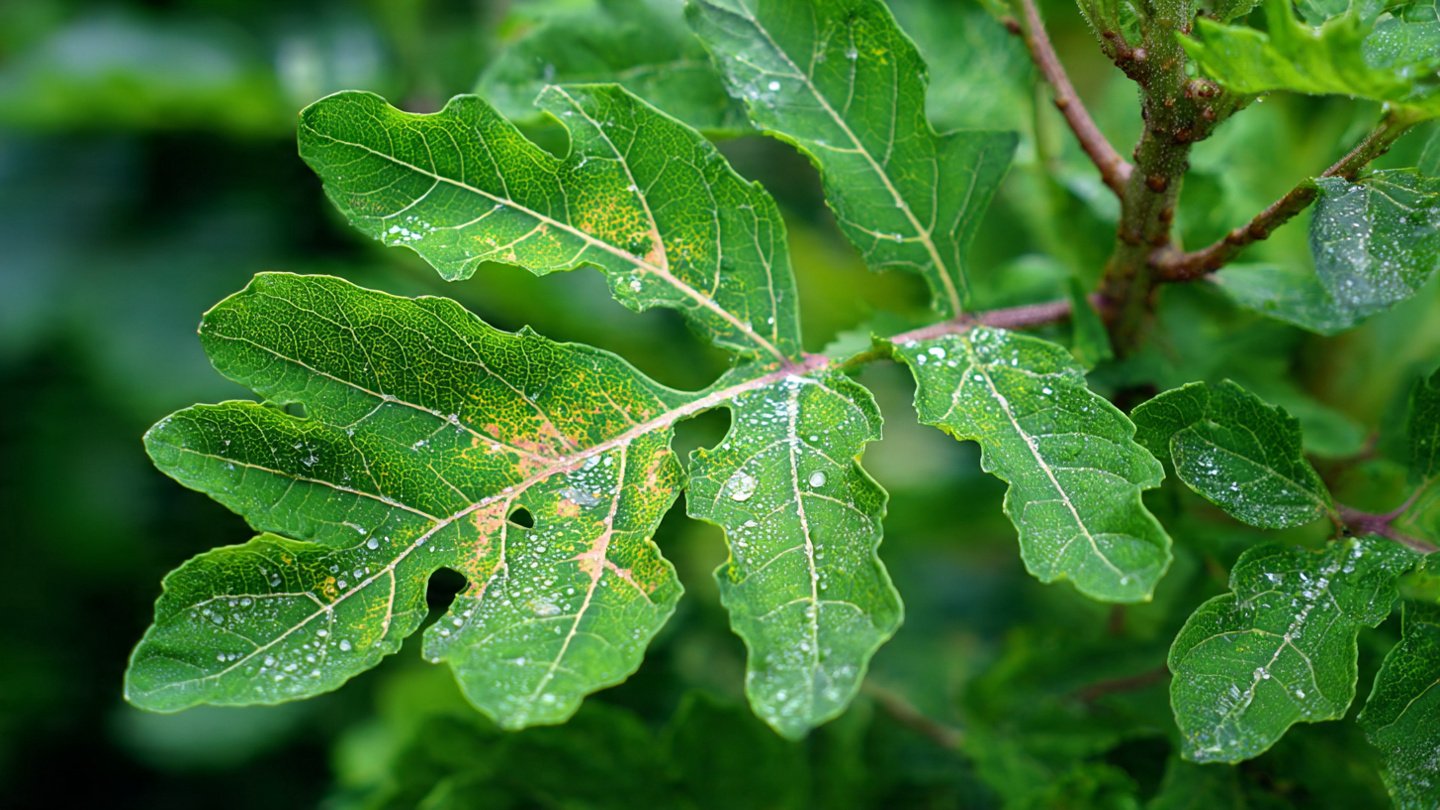
Plants have developed a remarkable array of defenses that protect them from diseases throughout their evolution. These defenses are essential for their survival and play a crucial role in maintaining ecosystems. By understanding how healthy plants defend themselves, we can better appreciate the importance of plant health in agriculture, horticulture, and our own gardens.
1. The Role of Phytochemicals
Phytochemicals are naturally occurring compounds found in plants that play a significant role in their defense mechanisms. They serve various functions:
Latest Posts
- With Just 1 Bottle of Water How I Was Shocked by What Happened When Growing Vegetables
- Maximize Your Home Garden with the Hanging Pea Sprout Growing Model – Space-Saving, High-Yield, and Easy-to-Manage Vertical Gardening Solution
- Just Water – The Secret to Growing Plump, White Peanut Sprouts Right at Home: A Step-by-Step Guide for Beginners
- Growing Zucchini at Home in a Container: How to Cultivate Large, Long Fruits with a 1-to-72 Day Step-by-Step Diary for Maximum Yield
- Grow Long Beans on the Terrace in Used Recycling Baskets: The Ultimate Guide to Easy, Space-Saving, and High-Yield Terrace Gardening
- How to Grow Tons of Long Beans Easily Without a Garden – A Complete Guide to Growing Healthy Yardlong Beans Without Fertilizers or Pesticides
- Easy Long Bean Growing Trick – No Garden, No Fertilizer, No Pesticide
- Grow Bitter Melon in Bottles — Harvest So Big You Can’t Eat It All! The Ultimate Guide to Bottle Gardening for Maximum Yields
- Growing Garlic Made Easy: No Soil, Fast Results – The Ultimate Guide to Growing Fresh Garlic Indoors Without Traditional Soil
- Wall-Mounted Hydroponic Watermelon System: Grow Large, Juicy, and Delicious Watermelons at Home with Minimal Space and Maximum Yield
- Antimicrobial properties: Certain phytochemicals have antimicrobial effects that inhibit the growth of pathogens.
- Repellent effects: Some compounds deter herbivores and other insects from feeding on the plants.
- Stress response: Phytochemicals can help plants respond to environmental stressors, making them more resilient to diseases.
Examples of Important Phytochemicals
Examples of phytochemicals include flavonoids, alkaloids, and terpenoids. For instance, flavonoids possess strong antioxidant properties, which can protect plants from oxidative stress caused by pathogens. Additionally, terpenoids are known to deter pests and attract beneficial insects.
2. Physical Barriers

Healthy plants have evolved several physical barriers to prevent pathogen entry:
- Cuticle: The outer layer of the leaf, known as the cuticle, acts as a waterproof barrier, preventing water loss and impeding pathogen colonization.
- Cell walls: Strong cell walls serve as a first line of defense against pathogens.
- Trichomes: Hair-like structures on leaves and stems can deter herbivores and enhance physical barriers.
The Role of Wound Healing
When a plant suffers a wound, it activates its healing processes. This includes the deposition of protective compounds at the site of injury, which not only heals the wound but also prevents potential infections from pathogens.
3. Systemic Acquired Resistance (SAR)
Systemic acquired resistance is a plant’s way of creating a long-lasting defense against pathogens after an initial infection. It involves:
- Signal molecules: When a plant is attacked, it produces signal molecules like salicylic acid that trigger defense responses throughout the plant.
- Induced resistance: This results in heightened levels of resistance against future attacks by the same or different pathogens.
Benefits of SAR
SAR helps not only the affected plant but can also benefit neighboring plants through shared environmental signals. This phenomenon enhances the overall ecosystem’s resistance to diseases.
4. The Role of Beneficial Microorganisms
Healthy plants often form symbiotic relationships with beneficial microorganisms, such as bacteria and fungi, which can significantly enhance their disease resistance:
- Mycorrhizal fungi: These fungi improve nutrient uptake and can help plants resist root pathogens.
- Biocontrol bacteria: Certain bacterial strains can suppress pathogenic organisms by outcompeting them or producing antimicrobial substances.
Creating a Healthy Rhizosphere
A healthy rhizosphere (root zone) filled with beneficial microorganisms promotes overall plant health, making them less susceptible to diseases.
5. The Importance of Genetic Resistance
Genetic resistance to diseases is one of the most effective ways plants protect themselves. Many plants have evolved specific genes that confer resistance to particular pathogens. Breeding programs often seek to enhance these traits, leading to the development of disease-resistant cultivars.
Examples of Genetic Resistance
For instance, many modern crop varieties have been developed with resistance to fungal diseases like powdery mildew and bacterial blight. This genetic resistance is crucial for sustainable agriculture.
6. The Impact of Environmental Factors
The environment plays a significant role in a plant’s ability to defend against diseases. Factors such as soil quality, availability of nutrients, water supply, and light exposure all contribute to plant health:
- Soil health: Healthy soil rich in organic matter and microbial life can promote robust plant growth.
- Nutrient management: Adequate supply of nutrients, especially nitrogen, phosphorus, and potassium, is essential for optimal plant health.
- Water management: Proper watering techniques can prevent stress-induced diseases while ensuring that the plant remains healthy.
How to Create a Favorable Environment
Farmers and gardeners can enhance plant health by improving soil conditions, using organic fertilizers, practicing crop rotation, and ensuring proper irrigation methods.

7. Conclusion
Understanding how healthy plants defend against diseases is essential for anyone involved in plant care, whether in agriculture, gardening, or landscaping. By fostering plant health through proper techniques and an awareness of natural defenses, we can create resilient plants that contribute to a balanced ecosystem. Ultimately, promoting plant health is not just beneficial for the plants themselves, but also for the humans and animals that depend on them.
FAQs
What are phytochemicals?
Phytochemicals are natural compounds found in plants that have various health benefits, including antimicrobial properties and the ability to protect the plant from diseases.
How can I improve my plant’s defenses against diseases?
You can improve your plant’s defenses by ensuring healthy soil, providing adequate nutrients, and choosing disease-resistant varieties.
What is systemic acquired resistance?
Systemic acquired resistance (SAR) is a long-lasting defense mechanism that plants activate after an initial infection, resulting in heightened resistance to future attacks.

How do beneficial microorganisms help plants?
Beneficial microorganisms improve nutrient uptake, enhance plant resistances, and can outcompete harmful pathogens, contributing to overall plant health.
Why is genetic resistance important?
Genetic resistance provides plants with a targeted way to protect against specific pathogens, leading to more resilient crops and reducing the need for chemical treatments.