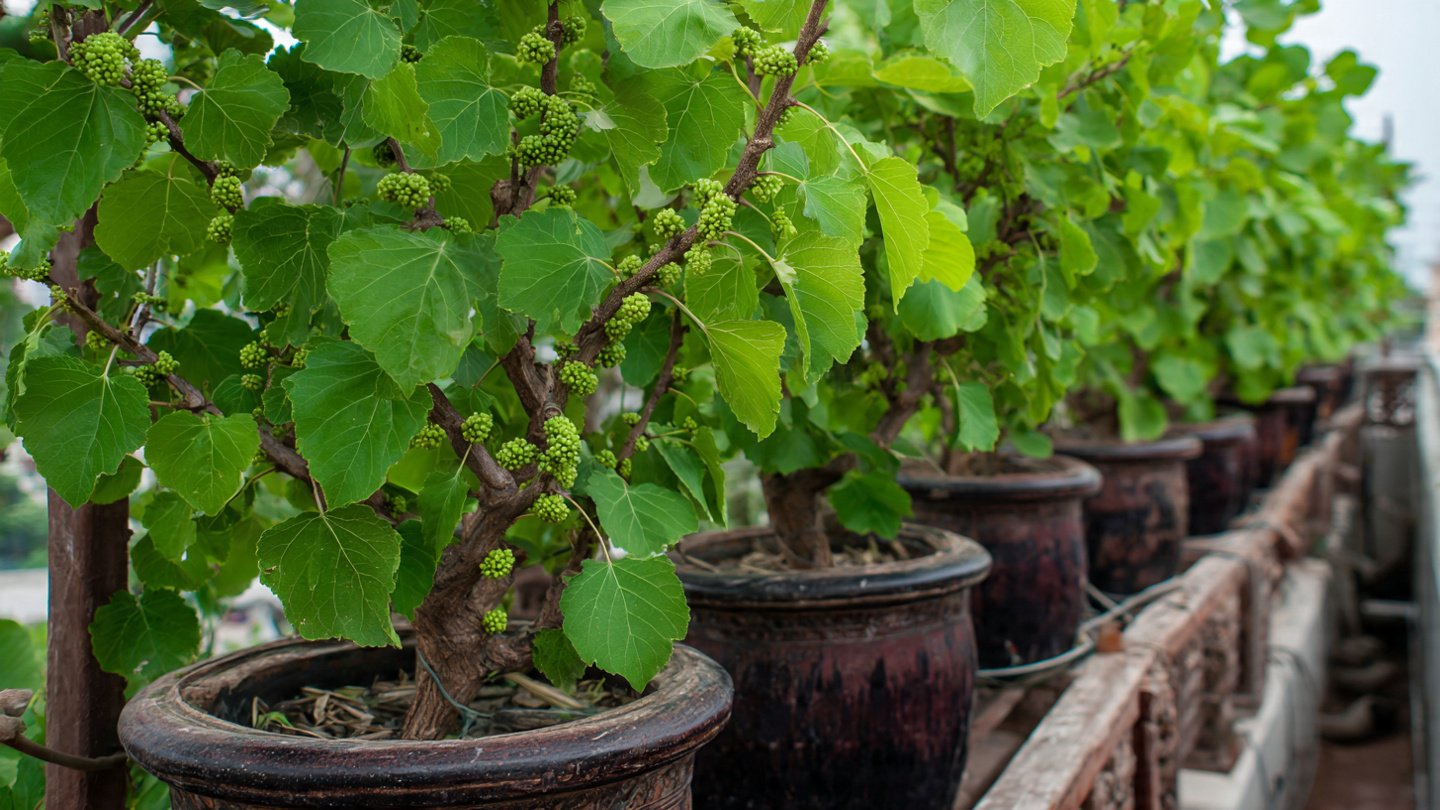
Urban gardening is on the rise, driven by the desire for homegrown produce, a connection to nature, and sustainability. One underappreciated gem for gardeners with limited space is the Thai mulberry (Morus alba). Known for its sweet, juicy berries and lush foliage, this tree not only beautifies urban environments but also provides delicious fruits. This article delves into the benefits of growing Thai mulberry in pots and offers practical tips for nurturing them in your urban garden.
What is Thai Mulberry?
Thai mulberry, also known as white mulberry, is a deciduous tree native to Asia. It’s characterized by its heart-shaped leaves and clusters of small, sweet berries. The berries vary in color from white to dark purple and are rich in vitamins and minerals. Thai mulberries are not only delicious but also have health benefits, including antioxidant properties and potential anti-inflammatory effects.
Latest Posts
- With Just 1 Bottle of Water How I Was Shocked by What Happened When Growing Vegetables
- Maximize Your Home Garden with the Hanging Pea Sprout Growing Model – Space-Saving, High-Yield, and Easy-to-Manage Vertical Gardening Solution
- Just Water – The Secret to Growing Plump, White Peanut Sprouts Right at Home: A Step-by-Step Guide for Beginners
- Growing Zucchini at Home in a Container: How to Cultivate Large, Long Fruits with a 1-to-72 Day Step-by-Step Diary for Maximum Yield
- Grow Long Beans on the Terrace in Used Recycling Baskets: The Ultimate Guide to Easy, Space-Saving, and High-Yield Terrace Gardening
- How to Grow Tons of Long Beans Easily Without a Garden – A Complete Guide to Growing Healthy Yardlong Beans Without Fertilizers or Pesticides
- Easy Long Bean Growing Trick – No Garden, No Fertilizer, No Pesticide
- Grow Bitter Melon in Bottles — Harvest So Big You Can’t Eat It All! The Ultimate Guide to Bottle Gardening for Maximum Yields
- Growing Garlic Made Easy: No Soil, Fast Results – The Ultimate Guide to Growing Fresh Garlic Indoors Without Traditional Soil
- Wall-Mounted Hydroponic Watermelon System: Grow Large, Juicy, and Delicious Watermelons at Home with Minimal Space and Maximum Yield
Why Grow Thai Mulberry in Pots?
Urban environments often come with space constraints, making container gardening an attractive alternative. Here are several advantages of growing Thai mulberry in pots:
1. Space Efficiency
Potted plants can fit into small urban spaces, including balconies, rooftops, and even small yards. A Thai mulberry tree can thrive in a container, allowing you to enjoy its benefits without needing a large garden.
2. Mobility
Containers make it easy to relocate plants as weather conditions change. If you live in an area prone to heavy rains or extreme temperatures, you can move your mulberry to optimize its exposure to sunlight and protect it from harsh elements.
3. Improved Soil Control
Growing in pots allows for better control over soil quality and drainage. You can choose a potting mix that meets the needs of your Thai mulberry, ensuring it receives the nutrients it requires to flourish.
4. Aesthetic Appeal
A Thai mulberry tree can enhance the visual appeal of your urban garden. Its lush foliage and charming fruits add vibrancy and texture, making your space more inviting.
Selecting the Right Container
Choosing the right pot is crucial for the health of your Thai mulberry. Here are some factors to consider:
- Size: Start with a pot that is at least 12-18 inches in diameter and 12 inches deep. As the tree matures, you may need to repot into a larger container.
- Material: Terra cotta, ceramic, or high-quality plastic containers are excellent choices. Ensure the material allows for adequate drainage.
- Drainage Holes: Make sure your chosen pot has drainage holes to prevent waterlogging, which can lead to root rot.
Soil Requirements
Thai mulberries prefer well-draining soil that retains some moisture. A good mix may consist of:
- Potting Soil: Choose a lightweight, high-quality potting mix that allows for good aeration.
- Compost: Incorporate compost to provide necessary nutrients.
- Perlite or Sand: Adding perlite or sand can improve drainage.
Planting Thai Mulberry in Pots
Once you have your container and soil ready, it’s time to plant your Thai mulberry. Follow these steps:
- Choose the Right Time: Plant your mulberry tree in early spring or fall, when temperatures are mild.
- Prepare the Pot: Fill the container with the potting mix, leaving about an inch of space from the rim.
- Plant the Tree: Remove the Thai mulberry from its nursery pot, gently loosening any compacted roots. Place it in the center of the container and fill in with soil, ensuring the root crown is level with the soil surface.
- Water: After planting, give the tree a thorough watering to help settle the soil.
Watering and Fertilization
Watering
Thai mulberries prefer consistently moist soil, but they do not tolerate soggy conditions. Check the moisture level regularly; water when the top inch of soil feels dry. During hot, dry spells, you may need to water more frequently.
Fertilization

Feed your Thai mulberry with a balanced, slow-release fertilizer every spring. An organic option high in nitrogen can promote healthy growth. Ensure to follow package instructions to avoid nutrient burn.
Sunlight Requirements
Thai mulberries thrive in full sun, so choose a location where they can receive at least 6-8 hours of sunlight daily. If you’re growing indoors or in a shaded area, consider supplementing with grow lights.
Pruning for Health and Productivity
Pruning is vital for maintaining the health of your Thai mulberry and ensuring productive growth.
- Remove Dead or Diseased Wood: Regularly check for dead or unhealthy branches and remove them.
- Shape the Tree: Lightly prune in the spring to maintain a desirable shape and encourage airflow between branches.
- Thin Out: In late winter, you can thin out overgrown areas to allow more light to reach the inner branches.
Pest and Disease Management
While Thai mulberries are relatively pest-resistant, common threats include aphids and spider mites. Monitor your plants regularly, and use neem oil or insecticidal soap for any infestations. Ensure good air circulation to help prevent fungal diseases.
Harvesting Thai Mulberry
Thai mulberries typically start bearing fruit within 2-3 years of planting. The fruits are ready for harvest when they turn a deep color and feel soft to the touch. Gently pull the berries from the stem to avoid damaging the plant.
FAQs
1. How long does it take for Thai mulberry to bear fruit?
Most Thai mulberry trees will start producing fruit 2-3 years after planting.
2. Can I grow Thai mulberry indoors?
Yes, with sufficient sunlight (6-8 hours) and proper care, you can grow Thai mulberry indoors.
3. What are the pests that commonly affect Thai mulberry?
Common pests include aphids, spider mites, and whiteflies. Regular monitoring and organic pest control methods can help manage infestations.
4. How often should I fertilize my Thai mulberry?
A balanced, slow-release fertilizer should be applied once every spring to ensure proper growth and fruiting.
5. Are Thai mulberries self-pollinating?
Yes, Thai mulberries are self-pollinating, meaning you only need one tree to produce fruit.
6. Can I grow Thai mulberry in a small pot?
While you can start in a small pot, it is essential to transfer your Thai mulberry to a larger container as it grows to ensure it has enough room for its roots.
7. What is the best climate for growing Thai mulberry?
Thai mulberries thrive in warm climates but are adaptable and can tolerate various conditions. They prefer temperatures between 60°F and 75°F (15°C and 24°C).
Conclusion
Growing Thai mulberry in pots is an excellent choice for urban gardeners looking to maximize their limited space. With proper care, this versatile tree can provide delicious berries, beautify your environment, and foster a deeper connection with nature. So, get ready to dive into the rewarding experience of container gardening and enjoy the fruits of your labor!