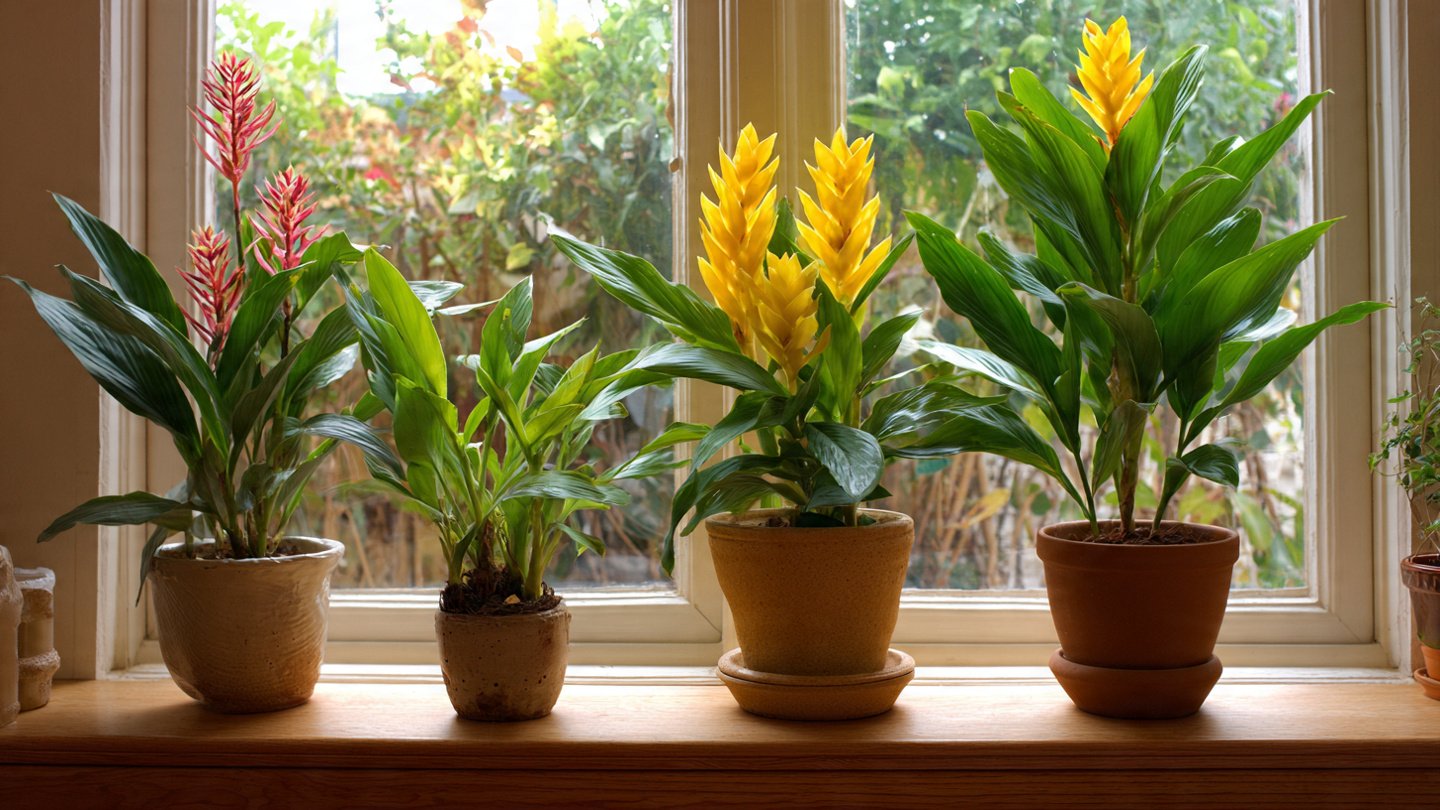
Ginger (Zingiber officinale) is a tropical perennial that is widely used both as a spice and for its medicinal properties. Growing ginger indoors can be a rewarding experience whether you want it for culinary uses or health benefits. In this complete guide, we’ll cover everything you need to know about growing ginger indoors, from selecting the right rhizomes to caring for your plants and harvesting the roots.
Understanding Ginger
What is Ginger?
Latest Posts
- With Just 1 Bottle of Water How I Was Shocked by What Happened When Growing Vegetables
- Maximize Your Home Garden with the Hanging Pea Sprout Growing Model – Space-Saving, High-Yield, and Easy-to-Manage Vertical Gardening Solution
- Just Water – The Secret to Growing Plump, White Peanut Sprouts Right at Home: A Step-by-Step Guide for Beginners
- Growing Zucchini at Home in a Container: How to Cultivate Large, Long Fruits with a 1-to-72 Day Step-by-Step Diary for Maximum Yield
- Grow Long Beans on the Terrace in Used Recycling Baskets: The Ultimate Guide to Easy, Space-Saving, and High-Yield Terrace Gardening
- How to Grow Tons of Long Beans Easily Without a Garden – A Complete Guide to Growing Healthy Yardlong Beans Without Fertilizers or Pesticides
- Easy Long Bean Growing Trick – No Garden, No Fertilizer, No Pesticide
- Grow Bitter Melon in Bottles — Harvest So Big You Can’t Eat It All! The Ultimate Guide to Bottle Gardening for Maximum Yields
- Growing Garlic Made Easy: No Soil, Fast Results – The Ultimate Guide to Growing Fresh Garlic Indoors Without Traditional Soil
- Wall-Mounted Hydroponic Watermelon System: Grow Large, Juicy, and Delicious Watermelons at Home with Minimal Space and Maximum Yield
Ginger is a flowering plant belonging to the family Zingiberaceae. The rhizome, which is the underground part of the plant, is what we commonly use in cooking and herbal medicine. It has a strong flavor and aroma, making it a popular ingredient in various cuisines worldwide.
Health Benefits
Ginger is known for its numerous health benefits, including:
- Anti-inflammatory properties
- Digestive aid
- Relief from nausea and motion sickness
- Boosting the immune system
- Pain relief
Due to its varied uses, growing ginger at home is not just about cultivation; it’s also about accessibility to its many benefits.
Getting Started
What You Need

- Ginger Rhizomes: Look for fresh, plump rhizomes with visible buds. You can purchase these from garden centers or organic grocery stores.
- Container: Choose a wide and shallow pot with good drainage holes. Ginger doesn’t grow deep; it spreads sideways.
- Potting Mix: Use high-quality soil that drains well. A combination of potting soil, compost, and sand works well.
- Watering Can: For regular watering, a can with a controlled flow is best.
- Light Source: If you’re not placing your ginger plant near a window, consider grow lights.
Choosing the Right Rhizome
When selecting rhizomes, look for:
- Healthy Appearance: Avoid shriveled or moldy ginger.
- Buds or Eyes: These are crucial for growth. Pieces with at least one or two visible buds are ideal.
Preparing for Planting
- Soaking: If the ginger looks dry, you can soak it in water overnight to rehydrate it.
- Cutting: You can cut larger rhizomes into smaller pieces, making sure each piece has at least one bud. Allow the cut pieces to dry for a day to prevent rot when planted.
Planting Ginger Indoors
Step-by-Step Planting Guide
- Choose the Container: As mentioned earlier, select a wide pot. Ginger needs space to spread.
- Fill the Pot: Fill the container with potting mix, leaving about an inch of space from the top.
- Plant the Rhizomes: Place the rhizome pieces about 2-4 inches deep, with the buds facing upwards.
- Water: Water the soil gently to settle it around the rhizomes.
- Label: If you are experimenting with different types of ginger, label your pots.
Location and Light
-
Indirect Light: Ginger prefers bright, indirect light. A spot near a window that gets filtered sunlight is ideal. If you don’t have such a spot, consider using LED grow lights.
-
Temperature: Ginger thrives in warm conditions, ideally between 70°F and 85°F (21°C to 29°C). Avoid drafts and cold windows.
Caring for Ginger Indoors
Watering
-
Moisture Level: Ginger likes consistent moisture but not soggy soil. Water when the top inch of soil feels dry.
-
Drainage: Ensure your plant container has good drainage to prevent waterlogging, which can lead to rot.
Fertilizing
- Type of Fertilizer: Use a balanced liquid fertilizer every 4-6 weeks during the growing season (spring and summer). Avoid over-fertilizing, as this can harm the plant.

Pruning and Maintenance
-
Leaf Care: Remove any dead or yellowing leaves to keep the plant healthy and encourage new growth.
-
Pest Control: Monitor for common indoor plant pests like aphids or spider mites. You can use insecticidal soap or neem oil as a natural remedy.
Harvesting Ginger
Timing
Ginger is typically ready to harvest about 8-10 months after planting. If you’re growing it primarily for the leaves, you can start harvesting younger roots (baby ginger) after about 4-5 months.
How to Harvest
- Prepare: Loosen the soil with a hand trowel or your hands around the edges of the pot.
- Remove Carefully: Gently pull the rhizomes out, being careful not to damage them.
- Clean: Rinse the roots in water to remove any soil, and dry them.
Storing Fresh Ginger
- Refrigeration: Store fresh ginger in a paper bag in your fridge, which can last for a few weeks.
- Freezing: You can also freeze ginger to preserve it for longer. Grate or cut it into pieces before freezing.
Troubleshooting Common Issues
Yellow Leaves
Cause: Overwatering or nutrient deficiency.
Solution: Check the soil moisture and adjust watering. Fertilize if needed.
Stunted Growth
Cause: Low light or poor soil quality.
Solution: Ensure the plant gets enough indirect light and consider repotting in fresh soil if necessary.
Pests
Common Pests: Aphids, spider mites, and mealybugs.
Solution: Treat with insecticidal soap and keep the plant’s environment clean.
Conclusion
Growing ginger indoors can be a simple and fulfilling endeavor. With plenty of light, proper watering, and care, you can enjoy fresh ginger right from your kitchen or have it as a lovely indoor plant. Not only can you reap culinary benefits, but you can also enjoy the health-promoting qualities that this remarkable plant offers.
FAQs
1. Can I grow ginger from store-bought ginger?
Yes, you can grow ginger from fresh, organic ginger found at grocery stores, as long as it has visible buds or eyes.
2. How long does it take for ginger to grow?
Ginger typically takes about 8-10 months to grow to maturity, although you can start harvesting younger roots in about 4-5 months.
3. Can I grow ginger in water?
While ginger can sprout in water, it’s best grown in soil for optimal development. Watering can induce rot, so it’s not the most reliable method for long-term growth.
4. Do ginger plants need a lot of sunlight?
Ginger prefers bright, indirect sunlight. Too much direct sunlight can scorch its leaves, while too little can stunt growth.
5. What should I do if my ginger plant doesn’t sprout?
If your ginger doesn’t sprout within several weeks, check the following: ensure proper moisture levels, light conditions, and that your rhizome was healthy to begin with. You may want to try a new piece of rhizome if the original fails to sprout.
By following these guidelines and addressing common pitfalls, you can successfully grow ginger indoors, reaping the benefits of this versatile and flavorful plant!