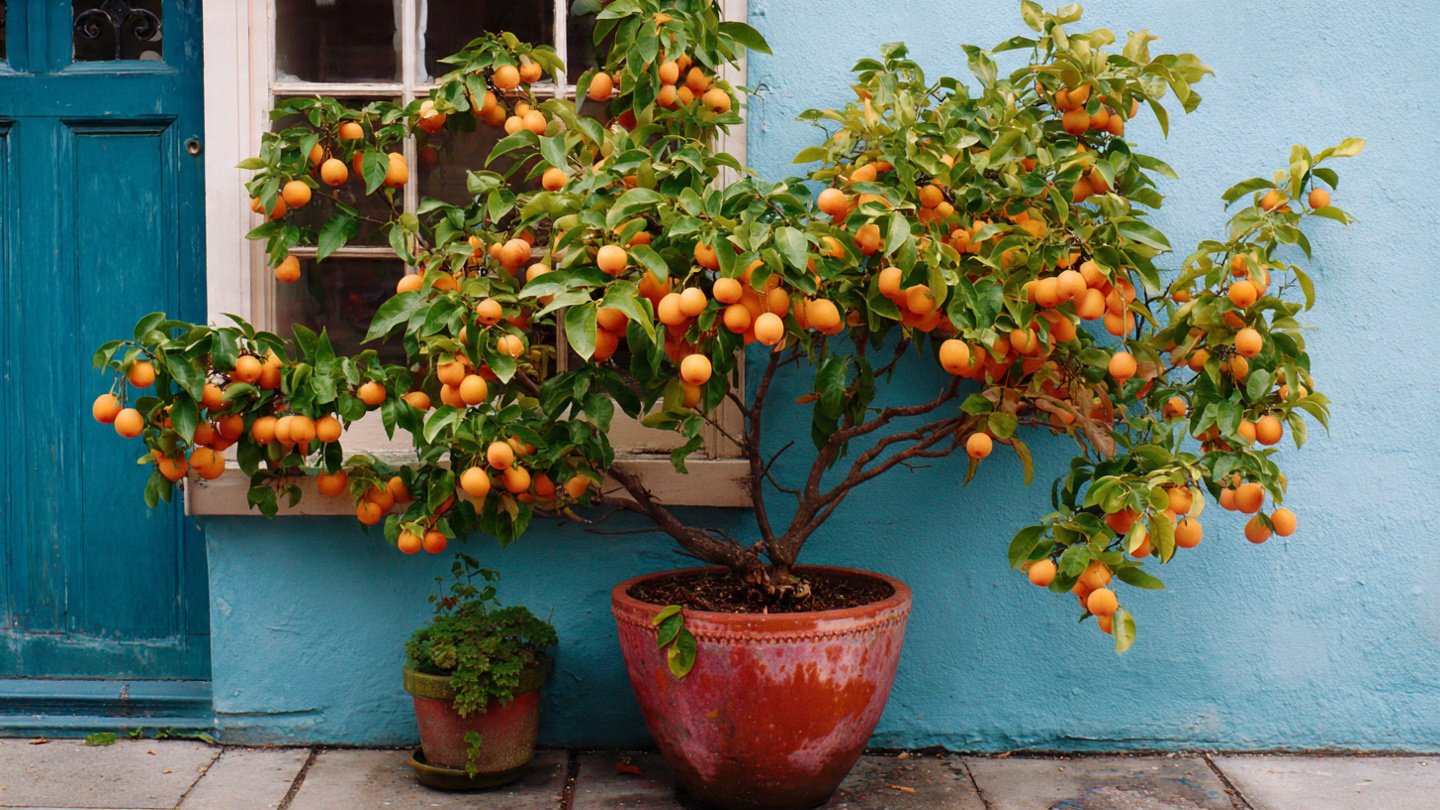
Urban living often comes with space limitations, but that doesn’t mean you need to forgo the joy of gardening, especially when it comes to growing your own fruit. Container gardening is an excellent option for urban gardeners looking to enjoy fresh fruits without needing a sprawling landscape. This guide will help you navigate the process of growing fruit trees in pots—from choosing the right varieties to caring for them and troubleshooting common issues.
Why Grow Fruit Trees in Pots?
- Space Efficient: Containers allow you to maximize limited space on balconies, patios, or small gardens.
- Improved Accessibility: Having fruit trees in pots makes it easier to manage growth and harvest without bending down or reaching high.
- Soil Control: You can tailor the soil in the pot to meet the specific needs of the fruit tree.
- Portability: If you have to move due to changing circumstances, it’s easier to take pots with you than to dig up plants in the ground.
- Pest Management: Container gardening often reduces the incidence of soil-borne pests and diseases.
Choosing the Right Fruit Trees
1. Dwarf Varieties
Dwarf fruit varieties are ideal for pot cultivation due to their limited size. Some popular options include:
- Dwarf Apple Trees: Varieties like ‘Honeycrisp’ or ‘Fuji’ can thrive in pots.
- Dwarf Cherry Trees: ‘Stella’ and ‘Montmorency’ are great choices for their size and ease of care.
- Citrus Trees: Varieties like ‘Improved Meyer Lemon’ and ‘Calamondin’ are perfect for indoor or patio environments.
- Dwarf Peach Trees: Look for ‘Bonanza’ and ‘Pix Zee’ for delightful fruits.
2. Self-Pollinating Trees
Self-pollinating varieties are excellent for small spaces since they do not require another tree to produce fruit. Examples include:
- Fig Trees: Varieties such as ‘Little Miss Figgy’ are self-pollinating and compact.
- Pomegranate: ‘Bush Pomegranate’ grows well in pots and requires minimal care.
3. Local Adaptation
Consider your local climate and growing conditions. Consult with local nurseries for recommendations on fruit trees that thrive in your area’s conditions.
Choosing the Right Pot
Pot Size
The size of the pot is crucial for the health of your fruit tree. A larger pot (at least 16-20 inches in diameter) allows for better root growth and water retention. As the tree grows, you may need to transfer it to an even larger pot.
Latest Posts
- With Just 1 Bottle of Water How I Was Shocked by What Happened When Growing Vegetables
- Maximize Your Home Garden with the Hanging Pea Sprout Growing Model – Space-Saving, High-Yield, and Easy-to-Manage Vertical Gardening Solution
- Just Water – The Secret to Growing Plump, White Peanut Sprouts Right at Home: A Step-by-Step Guide for Beginners
- Growing Zucchini at Home in a Container: How to Cultivate Large, Long Fruits with a 1-to-72 Day Step-by-Step Diary for Maximum Yield
- Grow Long Beans on the Terrace in Used Recycling Baskets: The Ultimate Guide to Easy, Space-Saving, and High-Yield Terrace Gardening
- How to Grow Tons of Long Beans Easily Without a Garden – A Complete Guide to Growing Healthy Yardlong Beans Without Fertilizers or Pesticides
- Easy Long Bean Growing Trick – No Garden, No Fertilizer, No Pesticide
- Grow Bitter Melon in Bottles — Harvest So Big You Can’t Eat It All! The Ultimate Guide to Bottle Gardening for Maximum Yields
- Growing Garlic Made Easy: No Soil, Fast Results – The Ultimate Guide to Growing Fresh Garlic Indoors Without Traditional Soil
- Wall-Mounted Hydroponic Watermelon System: Grow Large, Juicy, and Delicious Watermelons at Home with Minimal Space and Maximum Yield
Material
- Terracotta: Good for air circulation but may dry out quickly.
- Plastic: Light and can retain moisture well but may not offer as much insulation from temperature changes.
- Wooden Containers: They provide excellent insulation but may deteriorate over time. Choose rot-resistant wood.
Drainage
Ensure your pot has drainage holes to prevent root rot. You can add a layer of gravel or stones at the bottom to improve drainage.
Soil and Fertilization
Choosing the Right Soil
A high-quality potting mix is essential for growing fruit trees. Look for a mix that retains moisture but drains well. A combination of peat moss, perlite, and organic compost works well.
Fertilization
Fruit trees in pots often require more frequent fertilization than those in the ground because nutrients deplete faster in a confined space. Use a balanced, slow-release fertilizer tailored for fruit trees. Apply according to the instructions, generally every 4 to 6 weeks during the growing season.
Watering Your Fruit Trees
Watering Techniques
- Consistency is Key: Keep the soil consistently moist but never soggy. Check the top inch of the soil; if it feels dry, it’s time to water.
- Deep Watering: Water thoroughly until it drains from the bottom. This encourages deep root growth.
Seasonal Adjustments
Adjust your watering frequency based on the season. During hot months, trees may need daily watering, while in cooler months, reduce to once a week.
Sunlight Requirements
Ideal Conditions
Most fruit trees prefer full sun, which means at least six hours of direct sunlight daily. If your balcony or patio doesn’t receive enough light, consider moving your pots to a sunnier location or using grow lights.
Rotating Pots
To ensure even growth, rotate the pots occasionally to expose all sides of the tree to sunlight.
Pruning and Training
Purpose of Pruning
Pruning is essential to maintain the shape of your fruit tree, promote air circulation, and encourage fruit production.
Pruning Techniques
- Initial Pruning: When planting, prune to a strong central leader, removing any dead or damaged branches.
- Annual Pruning: In late winter or early spring, prune your tree to shape it, removing unwanted growth and promoting new shoots.
Training Methods
You may want to train your tree on a trellis or support system if it becomes top-heavy, which helps maintain balance.
Pest and Disease Management
Common Pests
- Aphids: Small, sap-sucking insects. Use insecticidal soap to eliminate them.
- Spider Mites: Often appear in dry conditions; keep humidity around the tree elevated if these appear.
- Scale Insects: These can be scrapped off manually or treated with horticultural oil.
Disease Prevention
- Fungal Diseases: Avoid overhead watering and ensure good air circulation. Apply fungicides as needed.
- Powdery Mildew: A common issue in warm, dry conditions. Prevent by adequately spacing plants and removing affected leaves.
Harvesting Your Fruit
Timing
- Fruit Maturity: Pay attention to variety-specific signs of maturity, such as color changes and size.
- Taste Test: When in doubt, pick one and taste it. If it’s sweet and juicy, it’s likely ready for harvest.
Techniques
Use garden scissors or shears to cut carefully; twisting or pulling the fruit can damage the tree.
Winter Care for Potted Fruit Trees
Insulation
In colder climates, protect your potted fruit trees by:
- Moving Indoors: If possible, move pots inside during winter.
- Insulating Pots: Wrap pots with burlap, bubble wrap, or frost cloth to prevent root freeze.
- Mulching: Adding mulch on the soil surface can help retain heat.
Watering
Even in winter, check moisture levels—roots can still dry out in pots despite cold temperatures.
FAQs
1. Can I grow any fruit tree in a pot?
Not all fruit trees are suited for containers. Dwarf or semi-dwarf varieties are best, as they remain smaller and manageable.
2. How often should I repot?
Generally, repot every 2-3 years or when you notice roots coming out of the drainage holes, indicating that the tree has outgrown its pot.
3. Will I get fruit the first year?
Most potted fruit trees will not produce fruit during the first year; patience is key. Most take 2-3 years to bear fruit after planting.
4. What should I do if my tree doesn’t produce fruit?
Check if the tree is getting enough sunlight, water, and nutrients. Additionally, assess for any pests or diseases.
5. How can I extend the growing season?
Consider using mini greenhouses or cold frames to protect your potted trees from frost and extend the growing season.
6. Do I need to hand-pollinate my trees?
Self-pollinating trees do not require hand-pollination. However, for better yields, cross-pollination with compatible varieties may enhance fruit set.
Conclusion
Growing fruit trees in pots is a rewarding endeavor, especially for urban gardeners looking to maximize space while enjoying the pleasures of homegrown fruit. From selecting the right varieties to understanding care routines, this guide provides the essential tools you need to cultivate a thriving potted fruit tree garden. Happy gardening!