Introduction: Container Potato Gardening
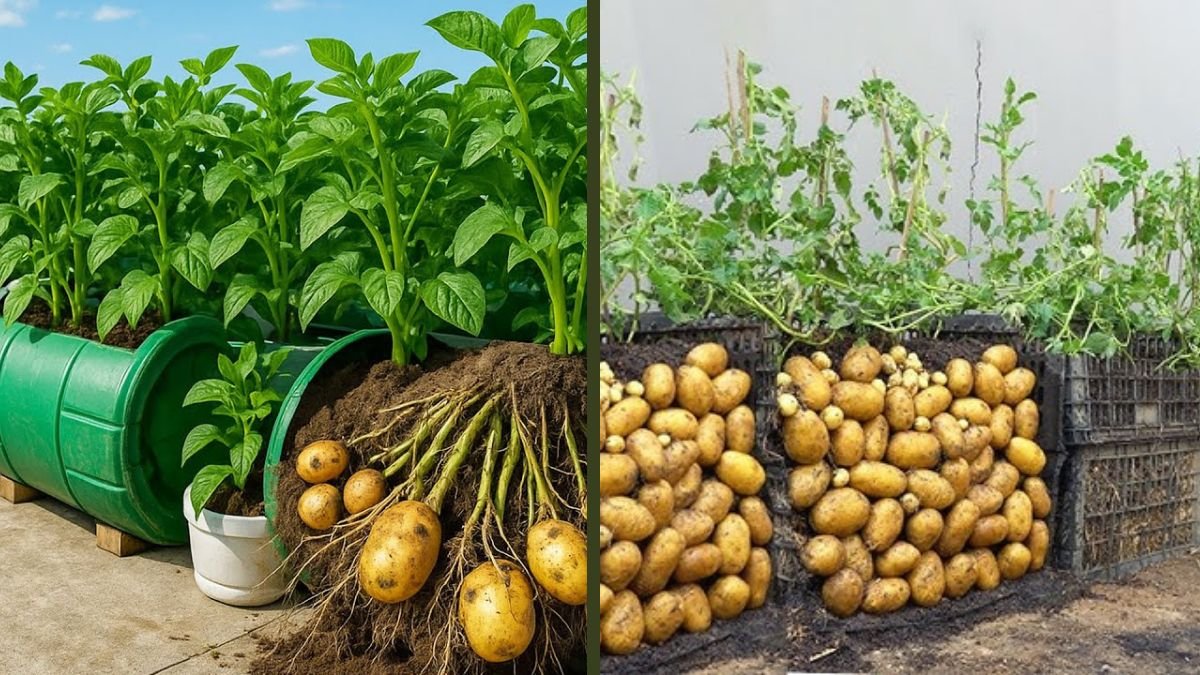
Potatoes are a staple crop and can be grown even without traditional farmland. Using containers, balconies, or small terraces, anyone can cultivate a productive potato farm at home. This method is space-efficient and beginner-friendly. Container potato gardening provides fresh, chemical-free potatoes. With proper soil, watering, and care, yields can be surprisingly high. Step-by-step guidance ensures success. Even limited urban spaces can produce multiple harvests. Container farming saves cost and maximizes productivity. Potatoes grown this way taste fresher than market varieties. The approach encourages sustainable urban gardening.
Understanding Potato Growth
Potatoes are tuber crops that grow underground. They require loose, fertile soil for tuber expansion. Plants produce green shoots above ground, with roots developing below. Flowering and leaf growth indicate tuber formation. Roots need consistent moisture for optimal yield. Understanding tuber formation helps manage soil and nutrients. Even in containers, potatoes thrive. Proper care ensures multiple potatoes per plant. Observation is key for timing watering and feeding. Healthy roots lead to larger harvests.
Selecting Potato Variety
Choose high-yielding or early-maturing varieties for containers. Disease-resistant seeds improve success. Certified tubers increase germination. Compact varieties suit small spaces. Healthy seed potatoes ensure abundant tuber formation. Local varieties adapt well to microclimates. Variety choice affects tuber size and number. Beginner-friendly types boost confidence. Proper selection ensures productive harvests.
Preparing Containers
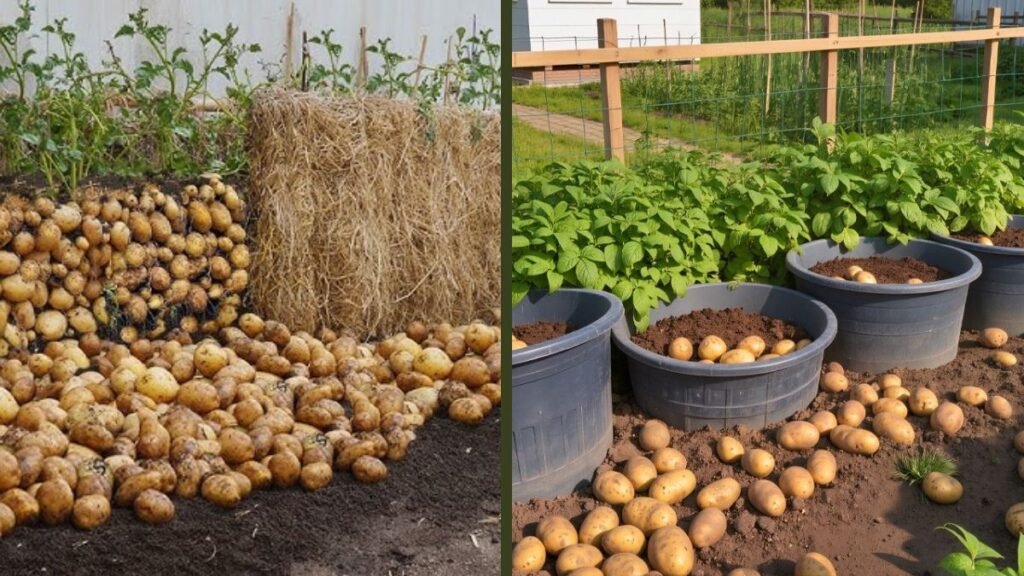
Use large pots, grow bags, or buckets with drainage holes. Fill with fertile, loose soil enriched with compost. Avoid compacted soil that restricts tuber growth. Layers of soil and compost improve aeration. Container size affects yield — bigger containers produce more potatoes. Soil should be light and nutrient-rich. Proper preparation ensures healthy roots. Containers allow mobility and sunlight management.
Seed Potato Preparation
Cut certified potatoes into 2–3 inch pieces with at least one “eye” each. Let cut pieces dry for 24 hours to prevent rot. Use healthy pieces for planting. Soak in water for faster sprouting if desired. Healthy seed potatoes ensure uniform growth. Proper preparation increases survival. Seed quality impacts tuber yield. Ready-to-plant potatoes adapt well in containers.
Latest Posts
- With Just 1 Bottle of Water How I Was Shocked by What Happened When Growing Vegetables
- Maximize Your Home Garden with the Hanging Pea Sprout Growing Model – Space-Saving, High-Yield, and Easy-to-Manage Vertical Gardening Solution
- Just Water – The Secret to Growing Plump, White Peanut Sprouts Right at Home: A Step-by-Step Guide for Beginners
- Growing Zucchini at Home in a Container: How to Cultivate Large, Long Fruits with a 1-to-72 Day Step-by-Step Diary for Maximum Yield
- Grow Long Beans on the Terrace in Used Recycling Baskets: The Ultimate Guide to Easy, Space-Saving, and High-Yield Terrace Gardening
- How to Grow Tons of Long Beans Easily Without a Garden – A Complete Guide to Growing Healthy Yardlong Beans Without Fertilizers or Pesticides
- Easy Long Bean Growing Trick – No Garden, No Fertilizer, No Pesticide
- Grow Bitter Melon in Bottles — Harvest So Big You Can’t Eat It All! The Ultimate Guide to Bottle Gardening for Maximum Yields
- Growing Garlic Made Easy: No Soil, Fast Results – The Ultimate Guide to Growing Fresh Garlic Indoors Without Traditional Soil
- Wall-Mounted Hydroponic Watermelon System: Grow Large, Juicy, and Delicious Watermelons at Home with Minimal Space and Maximum Yield
Planting in Containers
Place seed pieces on soil surface, eyes facing up. Cover with 2–3 inches of soil. Maintain spacing between pieces. Water gently after planting. Mulch lightly to retain moisture. Avoid compacting soil. Correct planting promotes healthy roots. Early care ensures strong sprout development.
Watering Techniques
Potatoes need consistent moisture. Avoid overwatering that causes rot. Water deeply but less frequently. Mulching reduces evaporation. Morning watering is ideal. Balanced hydration encourages tuber formation. Proper watering increases size and number of potatoes. Container-grown plants require careful attention.
Fertilization Practices
Use compost, vermicompost, or organic fertilizers regularly. Avoid excessive nitrogen that produces foliage over tubers. Balanced feeding improves tuber size and quality. Organic nutrients support soil life. Fertilization ensures high yield. Regular feeding enhances growth. Healthy nutrition improves flavor. Proper care ensures productive harvest.
Hilling Technique for Containers
Add extra soil around growing stems periodically. Hilling encourages more tubers along stems. Prevents exposure to sunlight. Promotes larger and healthier potatoes. Container hilling maximizes yield. Repeat every 2–3 weeks until flowering. Proper hilling prevents green tubers. Healthy hilled plants produce abundant potatoes.
Pest Management Naturally
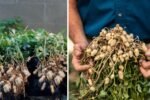
Potatoes attract aphids, Colorado potato beetles, and caterpillars. Neem oil spray is effective. Hand removal prevents pest spread. Healthy, well-fed plants resist attacks. Avoid chemical sprays. Organic control protects soil. Regular inspection reduces crop loss. Safe pest management ensures quality potatoes.
Disease Prevention Techniques
Fungal infections like blight affect potatoes. Maintain spacing for airflow. Remove infected leaves promptly. Avoid wetting foliage excessively. Replace soil after each season for container crops. Healthy plants produce more tubers. Prevention is better than cure. Vigilance ensures consistent harvests.
Flowering and Tuber Monitoring
Flowering indicates tuber development. Maintain steady watering and feeding. Monitor soil for moisture and aeration. Check tuber size by gently lifting soil if necessary. Balanced care ensures large, healthy potatoes. Continuous observation improves timing. Healthy vines produce multiple tubers. Patience is key.
Harvesting Potatoes
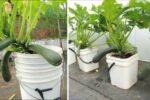
Harvest when leaves turn yellow and tubers reach desired size. Use hands or small tools to lift soil. Avoid damaging tubers. Morning harvesting preserves freshness. Proper timing improves storage life. Frequent checking ensures maximum yield. Correct harvesting protects plants for future use. Handle carefully to avoid bruising.
Post-Harvest Handling
Remove soil gently from tubers. Wash if necessary and dry in shade. Store in ventilated, cool areas. Avoid stacking to prevent bruising. Freshly harvested potatoes last longer. Proper handling ensures family consumption. Container-grown potatoes are cleaner and safer. Safe storage maintains quality.
Comparison Table: Traditional vs Container Potato Farming
| Aspect | Traditional Field | Container Balcony |
|---|---|---|
| Soil | Field soil | Enriched container soil |
| Watering | Moderate | Consistent and careful |
| Pest Control | Moderate | Organic and observed |
| Yield | Moderate | High per container |
| Space | Large | Balcony or terrace |
Benefits for Urban Gardeners
Container potatoes save space and cost. Produce fresh, chemical-free tubers. Perfect for balconies or small terraces. Gardening is accessible to beginners. Multiple harvests provide family nutrition. Urban gardening reduces market dependency. Easy to manage and maintain. Abundant harvest motivates continuation.
Sustainability and Long-Term Value
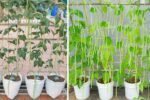
Organic container cultivation improves soil fertility. Reusable containers save resources. Multiple seasons are possible. Reduces chemical use. Sustainable method benefits urban families. Healthy vines produce long-term yield. Encourages eco-friendly practices. Container farming increases confidence and self-sufficiency.
Conclusion
Potatoes can be grown abundantly in containers with proper soil, watering, hilling, and organic care. Even balconies or small terraces yield high-quality, fresh tubers. Beginners can enjoy a productive potato farm at home. Structured methods make container farming simple, space-efficient, and rewarding. With patience and observation, continuous harvest is possible.