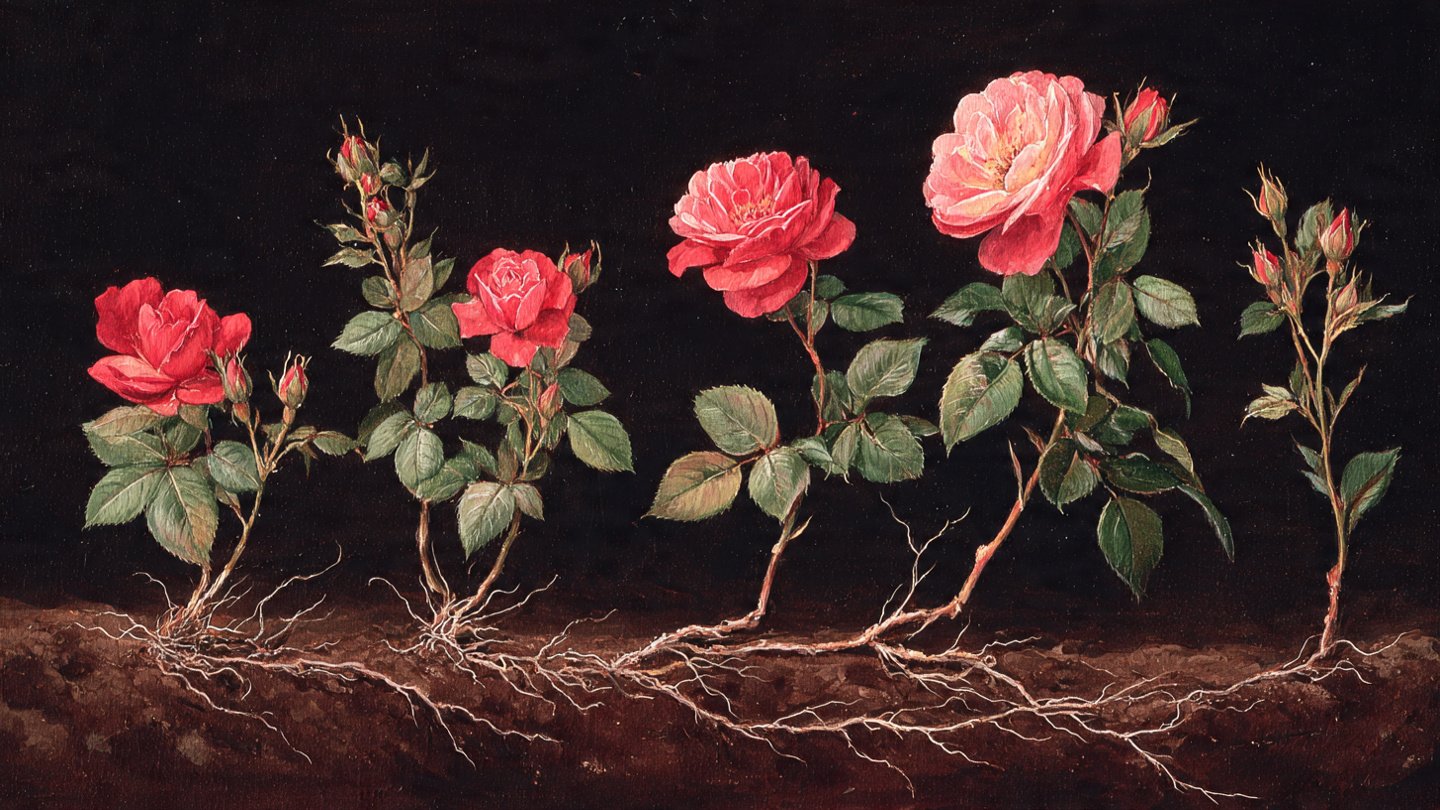
Roses have captivated humanity for centuries with their fragrant blooms and vibrant colors. Whether for landscaping, cutting gardens, or simply to enjoy the beauty, growing roses from seed can be a rewarding journey. This guide will walk you through every step of the process, from selecting the right seeds to nurturing your roses until they bloom.
Understanding the Basics of Rose Varieties
Before diving into the planting and growing process, it’s crucial to understand the various types of roses. Roses are generally categorized into several groups:
Latest Posts
- With Just 1 Bottle of Water How I Was Shocked by What Happened When Growing Vegetables
- Maximize Your Home Garden with the Hanging Pea Sprout Growing Model – Space-Saving, High-Yield, and Easy-to-Manage Vertical Gardening Solution
- Just Water – The Secret to Growing Plump, White Peanut Sprouts Right at Home: A Step-by-Step Guide for Beginners
- Growing Zucchini at Home in a Container: How to Cultivate Large, Long Fruits with a 1-to-72 Day Step-by-Step Diary for Maximum Yield
- Grow Long Beans on the Terrace in Used Recycling Baskets: The Ultimate Guide to Easy, Space-Saving, and High-Yield Terrace Gardening
- How to Grow Tons of Long Beans Easily Without a Garden – A Complete Guide to Growing Healthy Yardlong Beans Without Fertilizers or Pesticides
- Easy Long Bean Growing Trick – No Garden, No Fertilizer, No Pesticide
- Grow Bitter Melon in Bottles — Harvest So Big You Can’t Eat It All! The Ultimate Guide to Bottle Gardening for Maximum Yields
- Growing Garlic Made Easy: No Soil, Fast Results – The Ultimate Guide to Growing Fresh Garlic Indoors Without Traditional Soil
- Wall-Mounted Hydroponic Watermelon System: Grow Large, Juicy, and Delicious Watermelons at Home with Minimal Space and Maximum Yield
- Hybrid Teas: Known for their long stems and elegant flowers, ideal for cutting.
- Floribunda: These produce clusters of blooms, enhancing garden color.
- Grandiflora: A hybrid of hybrid teas and floribundas, offering tall growth and abundant blooms.
- Climbing Roses: Perfect for trellises and garden structures, with long canes that can be trained to grow vertically.
- Old Garden Roses: Heirloom varieties known for their scent and unique looks.
If you’re starting from seed, be aware that many roses are hybrids, and their offspring may not exhibit the same characteristics as the parent plants. For true-to-type plants, consider purchasing grafted varieties.
Step 1: Obtaining Rose Seeds
You can obtain rose seeds in several ways:
- Seed Packs: Available at garden centers. Look for reputable brands to ensure quality.
- Harvesting from Fresh Roses: You can collect seeds from a rose’s hip, the fruit that develops after blooming.

Harvesting Seeds from Rose Hips
- Wait for the Roses to Fade: Allow spent blooms to form hips, which should ripen over the summer.
- Collect the Hips: When they turn from green to orange or red, cut them from the plant.
- Extract the Seeds: Slice the hips open, remove the seeds, and rinse them to remove any pulp.
Step 2: Preparing the Seeds
Rose seeds need a period of stratification to break their dormancy. This process mimics the natural winter conditions required for germination.
Stratification Method
- Mix Seeds with Moist Sand: Take your seeds and mix them with a damp medium like sand or peat moss.
- Store in a Cool Place: Place this mixture in a sealed plastic bag and refrigerate it for 4 to 6 weeks.
Step 3: Sowing the Seeds
After stratification, it’s time to sow your seeds.
Materials Needed
- Seed trays or small pots
- High-quality potting soil
- A clear plastic cover or plastic wrap
Sowing Instructions
- Fill Containers with Soil: Ensure the pots or trays have drainage holes.
- Plant the Seeds: Sow the seeds about half an inch deep in the soil.
- Moisten the Soil: Lightly water the soil without saturating it.
- Cover the Seeds: Use the plastic wrap or a clear cover to create a greenhouse effect.
Germination Environment
Place your containers in a warm area with indirect light. Ideal temperatures for germination are between 70°F and 75°F. Keep the soil moist but not soggy.
Step 4: Transplanting Seedlings
After a few weeks, you should start to see the first signs of life as seedlings emerge.
Care for Seedlings
- Remove the Cover: Once the seedlings have a few leaves, remove the plastic cover to prevent mold.
- Thin Seedlings: If multiple seeds sprout in a single pot, thin them out, leaving the strongest ones.
Transplanting

When seedlings reach about 3 inches tall, carefully transplant them into larger pots. Handle them by their leaves to avoid damaging the roots.
Step 5: Caring for Your Roses
Your young roses will need proper care to thrive.
Sunlight and Temperature
- Light: Ensure the plants receive at least 6 hours of sunlight daily.
- Temperature: Rose plants prefer temperatures between 65°F and 75°F during the day and 50°F to 60°F at night.
Watering
Keep soil consistently moist but never waterlogged. A good rule of thumb is to water when the top inch of the soil feels dry.
Fertilization
After a few weeks, start feeding your seedlings with a diluted rose fertilizer. Follow the manufacturer’s instructions for frequency and dosage.
Pests and Diseases
Monitor your roses for common issues such as aphids, spider mites, and black spot disease. Use organic pesticides or fungicides as needed, following application instructions.
Step 6: Moving to the Garden
Once your seedlings are sturdy and have several sets of leaves, it’s time to prepare them for the garden.
Hardening Off
Before planting outside, acclimate your seedlings to outdoor conditions:
- Start Indoors: For about a week, open windows for a couple of hours each day.
- Gradual Exposure: Place them outside in a sheltered spot for a few hours daily, gradually increasing their sun exposure.
Planting Outside
Choose a day with mild weather for transplanting. Select a location that provides full sunlight and well-drained soil.
- Dig Holes: Make holes that are twice the width of the root ball.
- Plant: Place your seedlings in the holes, filling with soil and watering thoroughly.
Step 7: Patience and Care Until Bloom
Congratulations! Your roses are officially in the ground. As the plants grow, continue to provide care in the form of watering, feeding, and regular pruning. Most varieties will take a season or two to begin blooming.
FAQs
1. Can I grow roses from store-bought flowers?
Yes, you can collect seeds from the rose hips of spent blooms. However, the characteristics of the offspring may vary from the parent plant.
2. How long does it take for rose seeds to germinate?
Germination can take anywhere from 4 to 12 weeks, depending on the variety and conditions.
3. What is the best time to plant rose seeds?
Late winter to early spring is often the best time to start planting rose seeds indoors, leading to outdoor planting after the frost.
4. How often should I water my rose seedlings?
Water them when the top inch of the soil feels dry, ensuring the soil stays consistently moist but not soggy.
5. How can I prevent pests and diseases?
Keep an eye out for signs of pests and diseases, and use organic pest control methods as needed. Good air circulation and proper spacing can also help.
6. How do I get my roses to bloom?
Proper care, including adequate sunlight, water, and nutrients, will encourage blooming. Some varieties may take a few seasons to produce flowers.
By following this guide, you can embark on a successful journey from seed to bloom, creating a beautiful display of roses in your garden. Happy gardening!