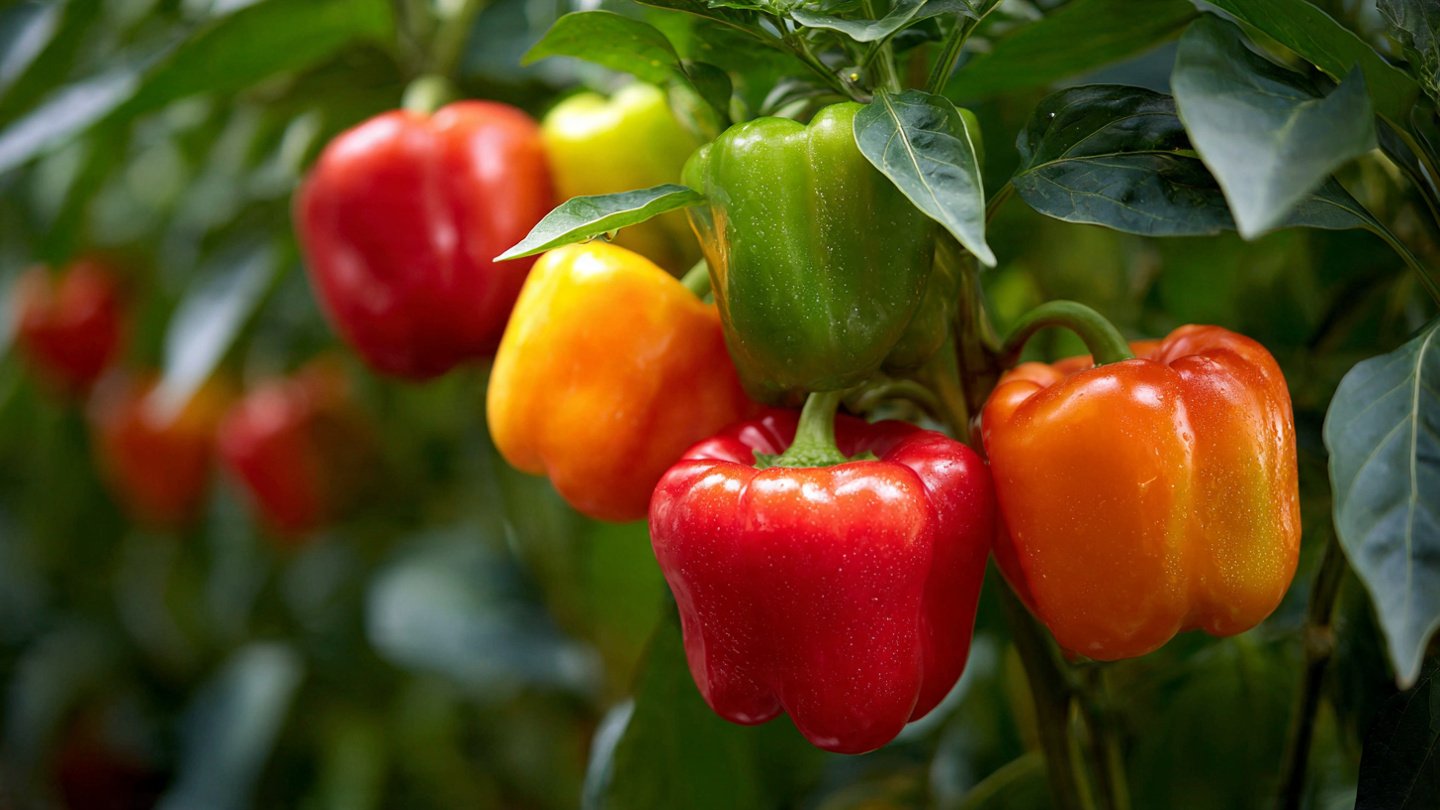
Growing your own sweet peppers is a rewarding endeavor that brings the joy of gardening right to your kitchen table. Sweet peppers, or bell peppers, are not only vibrant and flavorful, but they are also rich in vitamins and can transform any meal. Whether you’re a seasoned gardener or a beginner, this guide will take you through the essential steps to cultivate your own home-grown sweet peppers—from selecting the right variety to harvesting and cooking.
1. Selecting the Right Variety
The first step in cultivating sweet peppers is selecting a suitable variety for your garden. Sweet peppers come in various shapes, sizes, and colors, including green, yellow, red, and orange. Here are some popular varieties:
- Bell Pepper: This is the most common type, available in various colors. Bell peppers have a sweet flavor and crisp texture.
- Cubanelle: Known for their slightly tangy flavor, these peppers are excellent for grilling or sautéing.
- Banana Pepper: These are long, yellow to green, and mildly sweet, making them great for salads and pickling.
When choosing a variety, consider your climate and growing conditions. Most sweet peppers thrive in warm climates and require a growing season of about 70-90 days.
2. Preparing the Soil
Sweet peppers prefer well-draining soil that is rich in organic matter. Here is how to prepare your soil for planting:

- Location: Choose a sunny spot in your garden that receives at least 6-8 hours of sunlight daily.
- Soil Test: Conduct a soil test to check your pH levels; sweet peppers thrive in slightly acidic to neutral soil (pH 6.0 to 7.0).
- Amendments: Incorporate compost or well-rotted manure into your soil to enhance fertility and drainage.
Once your soil is prepared, let it rest for a week or two before planting. This waiting period allows any amendments to settle.
Latest Posts
- With Just 1 Bottle of Water How I Was Shocked by What Happened When Growing Vegetables
- Maximize Your Home Garden with the Hanging Pea Sprout Growing Model – Space-Saving, High-Yield, and Easy-to-Manage Vertical Gardening Solution
- Just Water – The Secret to Growing Plump, White Peanut Sprouts Right at Home: A Step-by-Step Guide for Beginners
- Growing Zucchini at Home in a Container: How to Cultivate Large, Long Fruits with a 1-to-72 Day Step-by-Step Diary for Maximum Yield
- Grow Long Beans on the Terrace in Used Recycling Baskets: The Ultimate Guide to Easy, Space-Saving, and High-Yield Terrace Gardening
- How to Grow Tons of Long Beans Easily Without a Garden – A Complete Guide to Growing Healthy Yardlong Beans Without Fertilizers or Pesticides
- Easy Long Bean Growing Trick – No Garden, No Fertilizer, No Pesticide
- Grow Bitter Melon in Bottles — Harvest So Big You Can’t Eat It All! The Ultimate Guide to Bottle Gardening for Maximum Yields
- Growing Garlic Made Easy: No Soil, Fast Results – The Ultimate Guide to Growing Fresh Garlic Indoors Without Traditional Soil
- Wall-Mounted Hydroponic Watermelon System: Grow Large, Juicy, and Delicious Watermelons at Home with Minimal Space and Maximum Yield
3. Starting Seeds Indoors
If you live in a cooler climate, you may want to start your sweet pepper seeds indoors. Here’s how:
- Timing: Start seeds indoors about 8-10 weeks before the last expected frost date.
- Containers: Use seed trays or small pots with drainage holes. Fill them with seed-starting mix.
- Sowing: Plant seeds about 1/4 inch deep and water gently. Cover them with plastic wrap or place a humidity dome over the trays until germination.
- Light: Once seedlings emerge, provide plenty of light using grow lights or placing them in a sunny window.
Keep the seedlings moist but not soggy, and thin them out if they become overcrowded.
4. Transplanting Seedlings
When the threat of frost has passed and your seedlings are about 4-6 inches tall, it’s time to transplant them outdoors.

- Hardening Off: Gradually acclimate your seedlings to outdoor conditions by placing them outside for a few hours each day over the course of a week.
- Transplanting: Choose a cloudy day to minimize stress on the seedlings. Space the plants 18-24 inches apart in rows that are 24-36 inches apart. Dig holes slightly larger than the root ball and gently place the seedlings in, covering the roots with soil.
Water the plants immediately after transplanting and add a layer of mulch to help retain soil moisture.
5. Care and Maintenance
To ensure your sweet peppers thrive, follow these essential care tips:
- Watering: Keep the soil consistently moist, especially during flowering and fruiting. Water deeply once or twice a week, depending on the weather.
- Fertilization: Feed your peppers with a balanced fertilizer or compost every few weeks. Avoid high-nitrogen fertilizers, which may promote leafy growth rather than fruit.
- Pest and Disease Management: Keep an eye out for common pests like aphids and spider mites. Hand-picking or using insecticidal soap can help manage infestations. Also, practice crop rotation to minimize disease risk.
6. Harvesting Sweet Peppers
Sweet peppers are typically ready for harvest 60-90 days after transplanting, depending on the variety. Here’s how to know when they’re ready:
- Color: For bell peppers, the color signal varies based on the type. Green peppers are harvested immature, while red, yellow, or orange peppers are fully ripe.
- Texture: Peppers should feel firm to the touch. If they’re soft or shriveled, they’re past their prime.
- Harvesting: Use a sharp knife or garden shears to cut the peppers off the plant, leaving a small piece of the stem attached. Be gentle to avoid damaging the plant.
7. Culinary Uses of Sweet Peppers
Once harvested, sweet peppers can be enjoyed in a myriad of ways. Here are some ideas:

- Fresh: Slice them for salads, sandwiches, or as a healthy snack.
- Roasted: Roast on the grill or in the oven to enhance their sweetness.
- Stuffed: Create stuffed peppers by filling them with grains, meat, or cheese and baking them.
- Sautéed: Sauté with onions for fajitas or stir-fries.
Sweet peppers can also be preserved through pickling or freezing, allowing you to enjoy their flavor throughout the year.
FAQs
Q1: What is the best time to plant sweet peppers?
A: In most climates, sweet peppers should be planted outdoors after the last frost, typically in spring. If starting indoors, begin about 8-10 weeks before the last frost date.
Q2: How much sunlight do sweet peppers need?
A: Sweet peppers thrive with at least 6-8 hours of direct sunlight daily.
Q3: How do I prevent pests from attacking my pepper plants?
A: Encourage beneficial insects like ladybugs, practice crop rotation, and use insecticidal soap or neem oil for pest control.

Q4: Can sweet peppers be grown in containers?
A: Yes, sweet peppers can be successfully grown in containers. Use pots that are at least 5 gallons to ensure adequate root space.
Q5: Why are my peppers turning yellow or falling off?
A: Yellowing can be a sign of nutrient deficiency, overwatering, or disease. Falling off may occur if stress conditions arise, such as temperature extremes or inconsistent watering.
Q6: How can I tell when my peppers are ripe?
A: Ripe sweet peppers should feel firm and have reached their full color, depending on the variety. For bell peppers, this means a sturdy green or vibrant yellow, red, or orange.
Growing sweet peppers is not only a fun gardening project but also a gateway to enjoying fresh, healthy produce in your home. With the right preparation and care, you can experience the sweet rewards of harvesting and cooking with your home-grown peppers. So gather your seeds, get your hands dirty, and enjoy the journey from garden to table!
