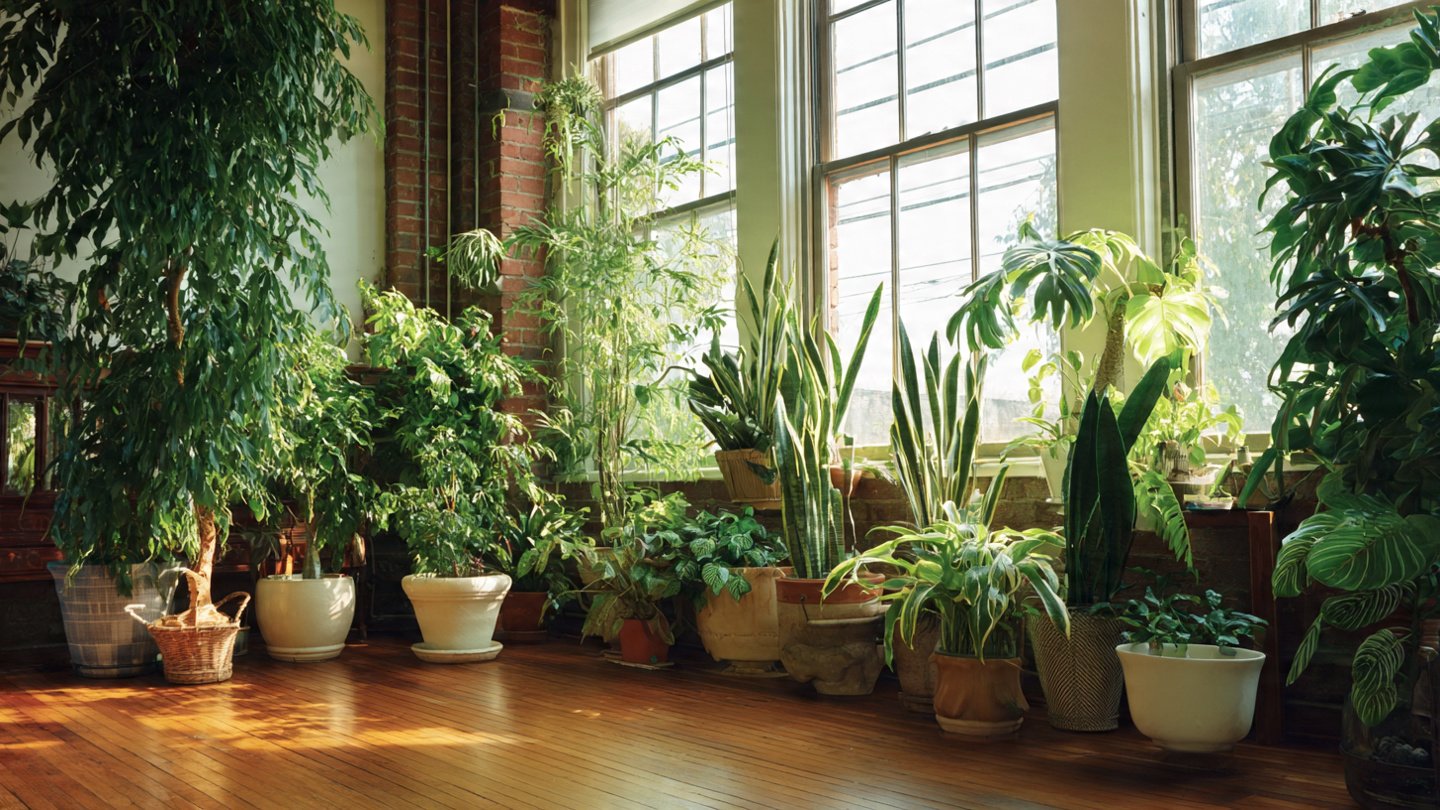
Indoor plants can transform any environment, improving air quality, enhancing mood, and adding aesthetic appeal. However, caring for them requires understanding their unique needs and creating an optimal environment. This article outlines effective strategies for growing healthy indoor plants all year round.
1. Choosing the Right Plants
1.1 Understand Your Environment
Before selecting plants, evaluate the conditions in your home. Factors such as light, humidity, and temperature play pivotal roles in a plant’s health.
- Light Levels: Observe how much natural light your space receives. South-facing windows offer the brightest light, while north-facing ones are dimmer. Consider light requirements: low-light plants like snake plants thrive in less light, while succulents need direct sunlight.
- Humidity: Many indoor plants hail from tropical regions and need high humidity. If your home is dry, particularly in winter, consider using a humidifier or grouping plants together to create a microclimate.
1.2 Select Low-Maintenance Plants
For beginners, starting with low-maintenance varieties can boost confidence. Some excellent choices include:
Latest Posts
- With Just 1 Bottle of Water How I Was Shocked by What Happened When Growing Vegetables
- Maximize Your Home Garden with the Hanging Pea Sprout Growing Model – Space-Saving, High-Yield, and Easy-to-Manage Vertical Gardening Solution
- Just Water – The Secret to Growing Plump, White Peanut Sprouts Right at Home: A Step-by-Step Guide for Beginners
- Growing Zucchini at Home in a Container: How to Cultivate Large, Long Fruits with a 1-to-72 Day Step-by-Step Diary for Maximum Yield
- Grow Long Beans on the Terrace in Used Recycling Baskets: The Ultimate Guide to Easy, Space-Saving, and High-Yield Terrace Gardening
- How to Grow Tons of Long Beans Easily Without a Garden – A Complete Guide to Growing Healthy Yardlong Beans Without Fertilizers or Pesticides
- Easy Long Bean Growing Trick – No Garden, No Fertilizer, No Pesticide
- Grow Bitter Melon in Bottles — Harvest So Big You Can’t Eat It All! The Ultimate Guide to Bottle Gardening for Maximum Yields
- Growing Garlic Made Easy: No Soil, Fast Results – The Ultimate Guide to Growing Fresh Garlic Indoors Without Traditional Soil
- Wall-Mounted Hydroponic Watermelon System: Grow Large, Juicy, and Delicious Watermelons at Home with Minimal Space and Maximum Yield
- Pothos: Hardy and adaptable, pothos can survive in a range of conditions.
- ZZ Plant: Thrives on neglect and tolerates low light.
- Spider Plant: Known for its air-purifying abilities and resilience to change.
2. Light Management
2.1 Artificial Lighting
During winter months or in dimly lit rooms, consider supplemental lighting. Grow lights, particularly LED or fluorescent fixtures, can mimic natural sunlight and are energy-efficient. Position them about 12 to 24 inches above the plants and ensure they provide the necessary spectrum of light.
2.2 Rotating Plants
To encourage even growth, rotate your plants every couple of weeks. This helps plants grow straight and lush, preventing them from leaning towards the light source.
3. Watering Wisely
3.1 Watering Techniques
Overwatering is a common mistake. Always check the top inch of soil to see if it’s dry before watering. Use pots with drainage holes to prevent root rot, and consider self-watering pots for consistent moisture.
3.2 Seasonal Adjustments
Watering needs fluctuate with the seasons. Typically, most plants require less water in winter. Adjust your schedule accordingly, and don’t forget to reduce fertilization during dormancy periods.
4. Soil and Potting
4.1 Choosing the Right Soil
Using the right type of soil is crucial for plant health. Conventional potting soil may not be ideal for every type of plant. For instance, cacti and succulents need well-draining soil, while ferns thrive in moisture-retentive substrates.
4.2 Repotting
Plan to repot every couple of years or as plants outgrow their pots. Repotting refreshes nutrients and allows for root expansion. Choose a pot that’s 1-2 inches larger in diameter than the previous one.
5. Fertilizing Smartly
5.1 Nutrition Needs
Indoor plants often require fertilization since they receive limited nutrients from potting soil. Use a balanced, water-soluble fertilizer during the growing season (spring and summer). Follow package instructions to avoid over-fertilization.
5.2 Organic Options
For a more natural approach, consider organic fertilizers like compost tea, fish emulsion, or worm castings. These options can enhance soil health without the risk associated with synthetic fertilizers.
6. Pest Management
6.1 Regular Inspections
Regularly check your plants for signs of pests such as spider mites, aphids, or mealybugs. Early detection can prevent an infestation. Look for webs, discoloration, or sticky residue on leaves.
6.2 Natural Remedies
If pests are found, consider using insecticidal soap or neem oil. These solutions are often less toxic than traditional pesticides and can effectively control infestations without harming beneficial insects.
7. Humidity Control
7.1 Increase Humidity Levels
For plants that thrive in high humidity, consider placing a pebble tray with water beneath pots to increase local humidity or crowding plants together. Misting is effective but should not be the sole method, as it evaporates quickly.
7.2 Practical Solutions
Use a humidifier in dry winter months to maintain ideal humidity. Group plants with similar humidity needs to create a suitable environment.
8. Seasonal Care
8.1 Winter Care

In colder months, indoor plants may enter a dormant phase. Reduce watering and fertilization, and ensure they’re away from cold drafts or heat sources that can cause temperature fluctuations.
8.2 Embrace Spring
As temperatures rise in spring, many plants will start to grow more actively. Increase watering and resume feeding as needed, and consider introducing plants to outdoor conditions gradually if the weather permits.
9. Create a Routine
9.1 Schedule Maintenance Tasks
Establish a maintenance routine to keep track of your plants’ needs. Set reminders for watering, feeding, and repotting. This discipline ensures that plants receive consistent care throughout the year.
9.2 Monitor Growth
Keep a journal or use apps to document the growth and changes in your plants. This record can help you identify success patterns and areas that may require more attention.
10. Learn and Adapt
10.1 Educational Resources
Expand your knowledge by reading books, watching videos, or joining gardening groups online. Engaging with a community can provide fresh ideas, solutions, and motivation.
10.2 Experimentation
Don’t be afraid to experiment with different plants and care techniques. Each plant has its own personality, and sometimes learning through experience yields the best results.
FAQs
Q1: How often should I water my indoor plants?
A1: Watering frequency varies based on the plant species, environment, and season. Check the soil moisture about once a week. If the top inch is dry, it’s time to water.
Q2: What are the best indoor plants for low light?
A2: Some reliable low-light plants include snake plants, pothos, ZZ plants, and peace lilies. These thrive well in dim conditions.
Q3: Why are my plant’s leaves turning yellow?
A3: Yellowing leaves can result from overwatering, poor drainage, nutrient deficiencies, or lack of sunlight. Assess the conditions and make adjustments accordingly.
Q4: How can I increase humidity for my indoor plants?
A4: Increase humidity by misting plants, using pebble trays filled with water, or employing a humidifier. Grouping plants can also create a more humid microclimate.
Q5: When should I repot my plants?
A5: Repot your plants every 1-2 years or when you notice roots growing through the drainage holes. Choose a pot that’s just 1-2 inches larger than the previous one.
Q6: Are pests a common problem for indoor plants?
A6: Yes, pests can infest indoor plants. Regularly inspect your plants and treat any outbreaks promptly to prevent spreading.
Q7: How can I tell if my plant needs fertilizer?
A7: If your plant shows stunted growth, pale leaves, or is growing slowly during the growing season, it may benefit from additional fertilizers. Always follow label instructions to avoid over-fertilizing.
By following these effective strategies, you can enjoy thriving indoor plants throughout the year. Remember, each plant is unique, requiring patience and a keen eye to flourish. Happy gardening!