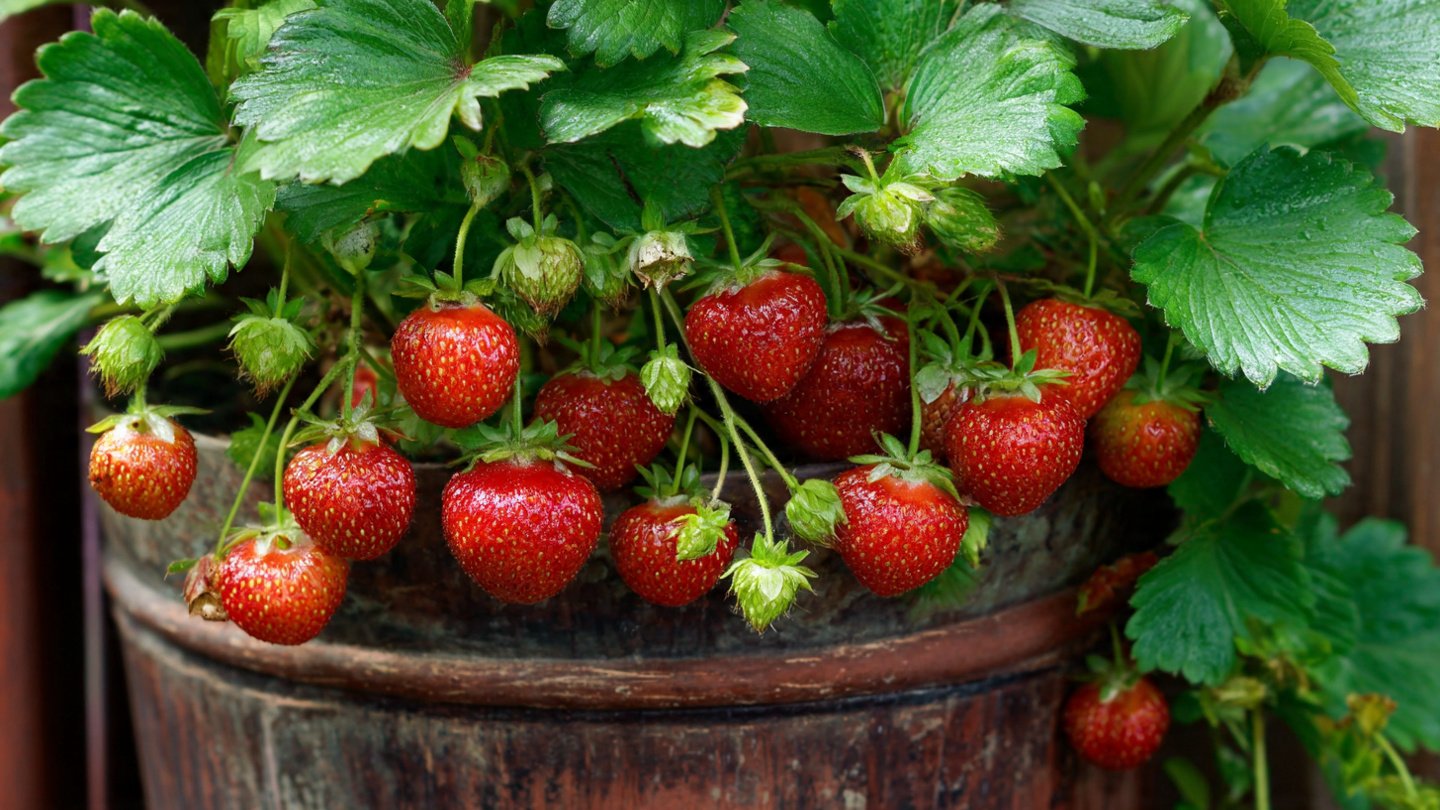
Growing strawberries in pots is a rewarding and practical way to enjoy fresh, juicy fruit. Whether you’re limited on space, have poor soil, or simply want to add a splash of color to your patio, container gardening can bring you the delightful experience of harvesting homegrown strawberries. Below are step-by-step instructions on how to grow strawberries in pots, along with tips to ensure a bountiful harvest.
Step 1: Choosing the Right Pot
The first step to growing strawberries in pots starts with choosing the right container. Here are some considerations:
Latest Posts
- With Just 1 Bottle of Water How I Was Shocked by What Happened When Growing Vegetables
- Maximize Your Home Garden with the Hanging Pea Sprout Growing Model – Space-Saving, High-Yield, and Easy-to-Manage Vertical Gardening Solution
- Just Water – The Secret to Growing Plump, White Peanut Sprouts Right at Home: A Step-by-Step Guide for Beginners
- Growing Zucchini at Home in a Container: How to Cultivate Large, Long Fruits with a 1-to-72 Day Step-by-Step Diary for Maximum Yield
- Grow Long Beans on the Terrace in Used Recycling Baskets: The Ultimate Guide to Easy, Space-Saving, and High-Yield Terrace Gardening
- How to Grow Tons of Long Beans Easily Without a Garden – A Complete Guide to Growing Healthy Yardlong Beans Without Fertilizers or Pesticides
- Easy Long Bean Growing Trick – No Garden, No Fertilizer, No Pesticide
- Grow Bitter Melon in Bottles — Harvest So Big You Can’t Eat It All! The Ultimate Guide to Bottle Gardening for Maximum Yields
- Growing Garlic Made Easy: No Soil, Fast Results – The Ultimate Guide to Growing Fresh Garlic Indoors Without Traditional Soil
- Wall-Mounted Hydroponic Watermelon System: Grow Large, Juicy, and Delicious Watermelons at Home with Minimal Space and Maximum Yield
-
Size: Select pots that are at least 12 to 14 inches deep and wide. Each pot can accommodate 1 to 3 strawberry plants, depending on the variety.
-
Material: Terracotta, plastic, and ceramic pots all work well. Make sure the pot has drainage holes to prevent waterlogging, which can lead to root rot.
-
Style: Consider using hanging baskets or vertical towers if you’re short on space. These not only save ground space but also make harvesting easier.
Step 2: Selecting Strawberry Varieties
There are three main types of strawberries to choose from:
-
June-bearing: These produce a single, large harvest in late spring to early summer. They tend to bear larger berries but require more intensive care and effort in their growing seasons.

-
Ever-bearing: These produce smaller crops throughout the growing season, from spring to fall. They may not yield as much as June-bearing varieties but provide fresh strawberries for a longer period.
-
Day-neutral: Similar to ever-bearing types, day-neutral strawberries can produce fruit all season long, flowering continuously as long as temperatures are favorable.
Choose a variety based on your climate (strawberries thrive in zones 3-10) and your taste preferences.
Step 3: Preparing the Soil
Strawberries thrive in well-draining, nutrient-rich soil. Here’s how to prepare the perfect mix:
-
Soil Type: Use a high-quality potting mix designed for container gardening. You can also amend it with compost or aged manure to enhance nutrients.
-
pH Level: Strawberries prefer slightly acidic soil with a pH between 5.5 and 6.5. You can buy a pH testing kit and adjust accordingly using sulfur to lower pH or lime to raise it.
-
Moisture Retention: Incorporate organic matter, such as coconut coir or peat moss, to improve moisture retention without making the soil too heavy.
Step 4: Planting Your Strawberries

Once you have your pots and soil ready, it’s time to plant:
-
Timing: Plant strawberries in the spring after the last frost, or in the fall for a late-season harvest.
-
Spacing: If using a single pot, space the plants about 12 inches apart. For a hanging basket, plant 3-5 in a 12-inch pot, spacing them evenly.
-
Planting Depth: Ensure that you plant the strawberry deep enough so that the crown (the point where the roots meet the stem) is at soil level.
-
Watering: Water the newly planted strawberries thoroughly. A light misting is ideal after planting, followed by deeper watering in the coming weeks.
Step 5: Providing Adequate Sunlight
Strawberries thrive in full sunlight, requiring at least 6-8 hours of direct sunlight per day.
- Location: Place your pots in a south-facing area if possible for maximum exposure. If you live in a region with extremely hot climates, partial afternoon shade can help prevent scorching.
Step 6: Watering and Fertilizing
Proper watering and fertilizing are critical to a successful strawberry crop:

-
Watering: Strawberries need consistent moisture. Water deeply but infrequently to encourage deep root growth. The soil should be damp but not soggy. Check moisture levels regularly, particularly during dry spells.
-
Fertilizing: Start with a balanced fertilizer after planting, such as 10-10-10 or an organic option. Fertilize every 4-6 weeks during the growing season, reducing frequency as you approach harvest time.
Step 7: Managing Pests and Diseases
While growing strawberries in pots can help mitigate some pest issues, vigilance is still key:
-
Common Pests: Be on lookout for aphids, spider mites, and slugs. You can manually remove them or use insecticidal soap.
-
Preventing Diseases: Rotate your planting areas yearly if you have multiple pots. Ensure that you are not overwatering and that air circulation around the plants is adequate to prevent mold or mildew.
Step 8: Harvesting Strawberries
Once your strawberries start to ripen, timing is crucial for optimal flavor:
-
Timing: Strawberries are ripe when they turn a deep red color and are slightly soft to the touch. Avoid harvesting unripe berries as they won’t continue to ripen off the plant.
-
Method: Gently twist or cut the berry, ensuring to leave the green cap attached. This helps prolong their freshness after being harvested.
Step 9: Post-Harvest Care
After harvesting, take these steps to continue caring for your plants:
-
Pruning: Once the growing season is done, trim back the foliage to prepare for dormancy.
-
Winterizing: In colder climates, protect your pots by moving them into a garage or wrapping them in burlap. Mulching around the base can also provide insulation.
FAQs
1. Can strawberries grow in pots year-round?
Yes! Depending on your climate, strawberries can be grown in pots year-round. In colder climates, move the pots indoors or provide insulation during winter.
2. How often should I water my strawberries?
Aim to keep the soil consistently moist but not soggy. Water your strawberries deeply once or twice a week, depending on the weather.
3. Can I use regular garden soil for potting strawberries?
It’s best to use a high-quality potting mix rather than regular garden soil, as it offers better drainage and aeration, which are crucial for container plants.
4. Do I need to prune my strawberry plants?
Yes, pruning helps improve air circulation and encourages new growth. After the fruiting season, trim back old leaves and dead foliage.
5. What should I do if my strawberries develop brown spots?
Brown spots can indicate sunburn or fungal issues. Ensure adequate watering, provide some afternoon shade if necessary, and remove affected leaves.
Conclusion
Growing strawberries in pots is not only simple but also incredibly satisfying. With the right pot, soil, and care, you can enjoy bountiful harvests of fresh strawberries right from your patio or balcony. Follow these easy steps, and you’ll be well on your way to indulging in delicious homegrown strawberries. Happy gardening!