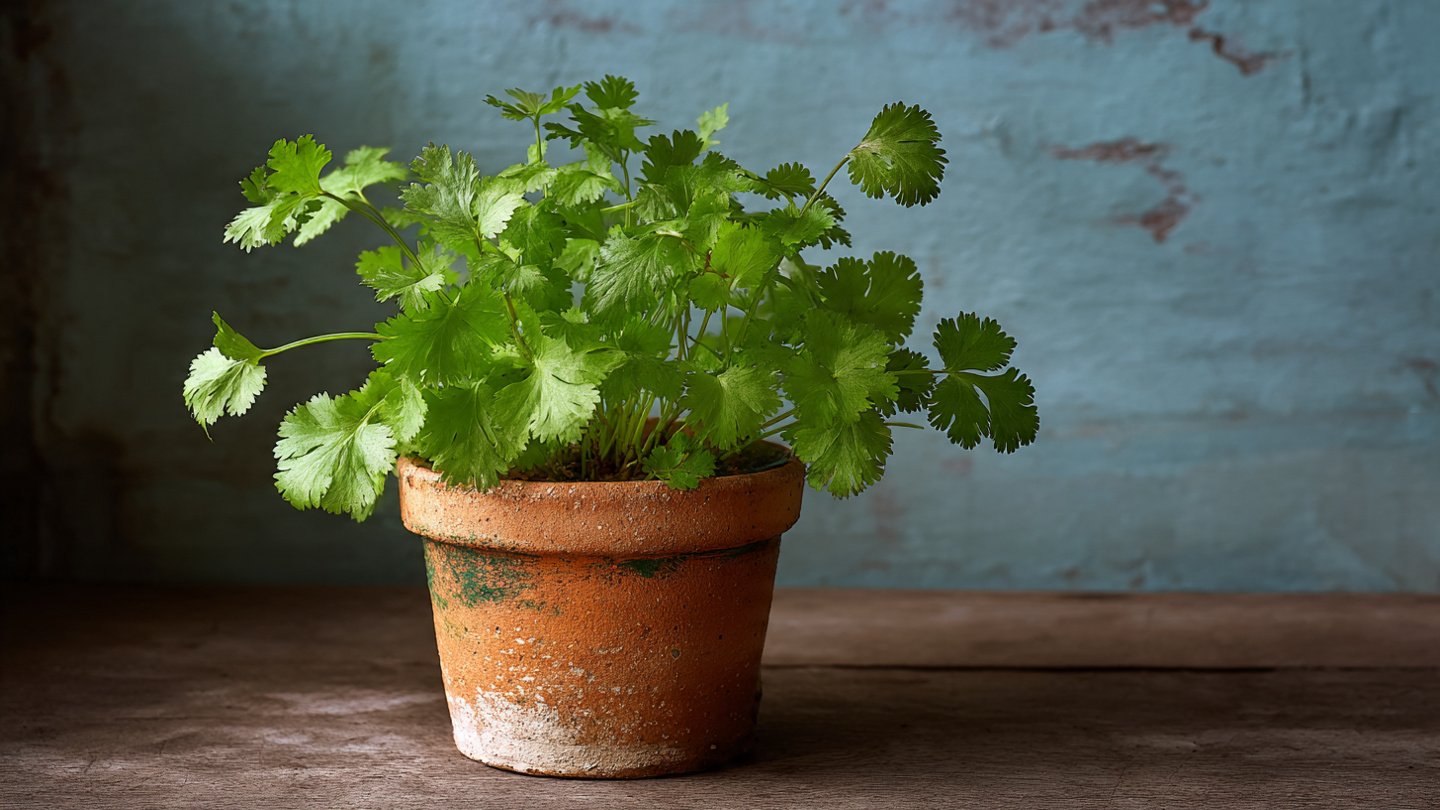
Growing coriander, also known as cilantro, in pots is an excellent choice for gardening enthusiasts and home cooks alike. This aromatic herb is a staple in many culinary traditions, bringing a fresh flavor to numerous dishes. If you’re looking to grow your own coriander at home, this guide will walk you through the easy steps of planting, nurturing, and harvesting coriander in containers.
Understanding Coriander
Coriander is a fast-growing herb that thrives in warm weather. It can be grown indoors or outdoors in pots, making it perfect for those with limited garden space. Not only does coriander enhance the flavor of your meals, but its leaves and seeds also possess numerous health benefits, including antioxidant properties and anti-inflammatory effects.
Latest Posts
- With Just 1 Bottle of Water How I Was Shocked by What Happened When Growing Vegetables
- Maximize Your Home Garden with the Hanging Pea Sprout Growing Model – Space-Saving, High-Yield, and Easy-to-Manage Vertical Gardening Solution
- Just Water – The Secret to Growing Plump, White Peanut Sprouts Right at Home: A Step-by-Step Guide for Beginners
- Growing Zucchini at Home in a Container: How to Cultivate Large, Long Fruits with a 1-to-72 Day Step-by-Step Diary for Maximum Yield
- Grow Long Beans on the Terrace in Used Recycling Baskets: The Ultimate Guide to Easy, Space-Saving, and High-Yield Terrace Gardening
- How to Grow Tons of Long Beans Easily Without a Garden – A Complete Guide to Growing Healthy Yardlong Beans Without Fertilizers or Pesticides
- Easy Long Bean Growing Trick – No Garden, No Fertilizer, No Pesticide
- Grow Bitter Melon in Bottles — Harvest So Big You Can’t Eat It All! The Ultimate Guide to Bottle Gardening for Maximum Yields
- Growing Garlic Made Easy: No Soil, Fast Results – The Ultimate Guide to Growing Fresh Garlic Indoors Without Traditional Soil
- Wall-Mounted Hydroponic Watermelon System: Grow Large, Juicy, and Delicious Watermelons at Home with Minimal Space and Maximum Yield
Choosing the Right Pot
- Size: Select a pot that is at least 8-10 inches deep and wide. This gives coriander enough room for its roots to develop.
- Material: Terracotta, plastic, or ceramic pots are suitable options. Ensure the pot has drainage holes to prevent water accumulation.
- Location: Place your pot in a spot that receives 4 to 6 hours of sunlight daily. A south-facing balcony or kitchen counter by a window works well.
Selecting the Right Soil
Coriander thrives in well-drained, nutrient-rich soil. Here’s how to prepare the ideal growing medium:
- Soil Mix: Use a high-quality potting mix combined with organic compost to ensure it retains moisture while allowing for drainage.
- pH Level: The ideal pH level for coriander is between 6.2 and 6.8. You can test the soil using a simple pH test kit available in gardening stores.
Planting Coriander Seeds
Corriander can be grown from seeds or pre-grown plants. Here’s how to plant seeds:
-
Seed Selection: Choose high-quality coriander seeds from a reputable supplier. You can opt for either flat-leaf (cilantro) or round-leaf varieties depending on your preference.
-
Sowing:
- Before sowing, soak the seeds overnight to enhance germination.
- Fill the pot with prepared soil, leaving about an inch of space at the top.
- Scatter the soaked seeds evenly across the soil.
- Cover the seeds with a light layer of soil (about 1/4 inch) and gently pat it down.
-
Watering: After sowing, water the pot lightly using a spray bottle or watering can with a fine spout. The soil should remain moist but not soggy.
Germination and Seedling Care
-
Temperature: Coriander germinates best in temperatures ranging from 70°F to 75°F. Consider using a plastic cover initially to retain warmth and humidity.
-
Light: Once seedlings emerge, usually within 7-14 days, remove the cover and ensure they receive ample sunlight, rotating the pot occasionally for even growth.
-
Thinning: Once the seedlings have 2-3 sets of true leaves, thin them out by cutting weaker plants at the soil level, leaving about 4-6 inches between each.
Regular Maintenance
-
Watering:
- Water regularly, keeping the soil consistently moist but not waterlogged.
- Water deeply less frequently rather than shallowly every day.
-
Fertilizing:
- During the growing season, feed your coriander with a diluted liquid fertilizer every 4-6 weeks to support healthy growth.
- Avoid over-fertilizing, as it can lead to leafy growth with less flavor.
-
Pest Control:
- Keep an eye out for pests like aphids or spider mites. Use insecticidal soap or neem oil if any infestation occurs.
- Encouraging beneficial insects like ladybugs can help keep pests at bay.
Harvesting Coriander
Coriander leaves can be harvested once the plant is about 6-8 inches tall, typically within 3-4 weeks of planting. Here’s how to do it:
-
Cutting: Using clean scissors, cut the outer leaves first to allow the inner leaves to continue to grow. Don’t harvest more than one-third of the plant at once to ensure it continues to thrive.
-
Timing: For the best flavor, harvest in the morning when the oils in the leaves are concentrated.
-
Seeds: If you wish to grow coriander seeds, allow some plants to flower and go to seed. Once the seeds turn brown, you can collect and store them for future planting.
Storing Your Harvest
To preserve the freshness of your coriander:
- Refrigeration: Place freshly cut coriander in a glass with water, cover it with a plastic bag, and store it in the refrigerator.
- Freezing: Chop the coriander and place it in ice cube trays filled with water. Once frozen, transfer the cubes to a freezer-safe bag for long-term storage.
FAQs
1. How often should I water my coriander?
Water your coriander when the top inch of soil feels dry. On average, this will be about 2-3 times a week, but it may vary with climate and pot size.
2. What should I do if my coriander starts to flower?
Once coriander flowers, it will begin to bolt, leading to a decline in leaf flavor. If this happens, trim the flower stems to encourage more leaf production or allow a few to go to seed if you want to harvest seeds later.
3. Can I grow coriander indoors?
Yes, coriander can be successfully grown indoors. Ensure it receives sufficient sunlight (4-6 hours a day) or consider using grow lights.
4. Why is my coriander not growing well?
Poor growth can be attributed to several factors, including insufficient light, overwatering, or nutrient-poor soil. Adjust these conditions to promote better growth.
5. How long does it take to grow coriander?
Coriander typically takes about 3-4 weeks to fully mature for harvesting leaves and about 2-3 months if you’re growing for seeds.
Growing coriander in pots is an enjoyable and rewarding endeavor, providing you with fresh herb availability at your fingertips. With proper care and attention, you can cultivate a thriving pot of coriander that enhances your culinary adventures. Happy gardening!