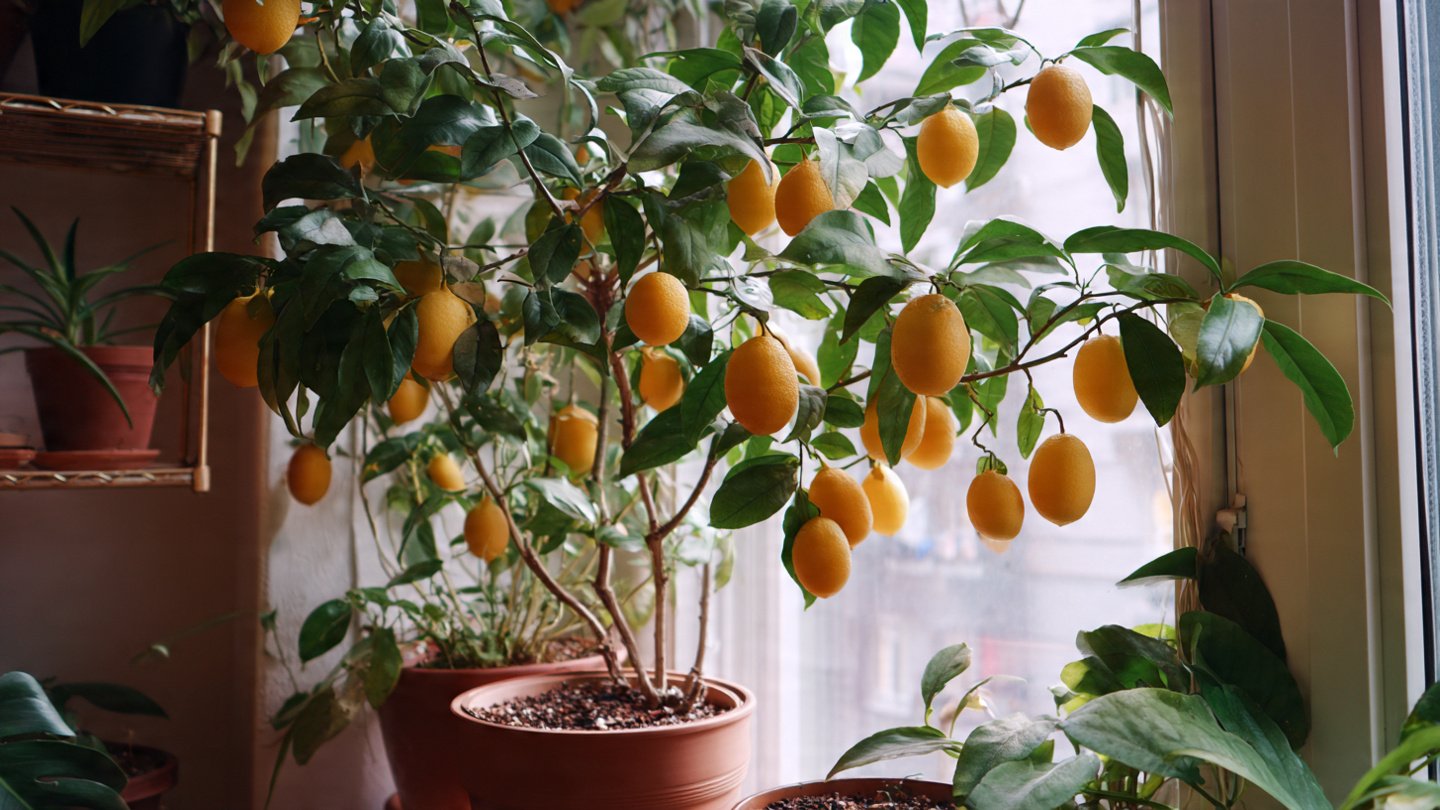
Living in a small space can often limit your gardening ambitions, but you don’t need a sprawling backyard to cultivate a thriving fruit garden. Whether you’re in an apartment, a small home, or even just a balcony, there are numerous effective methods and techniques to grow delicious fruits right at your fingertips. This article explores various easy methods to grow fruit in small spaces while also considering time and care requirements, the types of fruits to grow, and how to maximize your limited space.
1. Choose the Right Fruits for Your Space
1.1 Compact Varieties
Latest Posts
- With Just 1 Bottle of Water How I Was Shocked by What Happened When Growing Vegetables
- Maximize Your Home Garden with the Hanging Pea Sprout Growing Model – Space-Saving, High-Yield, and Easy-to-Manage Vertical Gardening Solution
- Just Water – The Secret to Growing Plump, White Peanut Sprouts Right at Home: A Step-by-Step Guide for Beginners
- Growing Zucchini at Home in a Container: How to Cultivate Large, Long Fruits with a 1-to-72 Day Step-by-Step Diary for Maximum Yield
- Grow Long Beans on the Terrace in Used Recycling Baskets: The Ultimate Guide to Easy, Space-Saving, and High-Yield Terrace Gardening
- How to Grow Tons of Long Beans Easily Without a Garden – A Complete Guide to Growing Healthy Yardlong Beans Without Fertilizers or Pesticides
- Easy Long Bean Growing Trick – No Garden, No Fertilizer, No Pesticide
- Grow Bitter Melon in Bottles — Harvest So Big You Can’t Eat It All! The Ultimate Guide to Bottle Gardening for Maximum Yields
- Growing Garlic Made Easy: No Soil, Fast Results – The Ultimate Guide to Growing Fresh Garlic Indoors Without Traditional Soil
- Wall-Mounted Hydroponic Watermelon System: Grow Large, Juicy, and Delicious Watermelons at Home with Minimal Space and Maximum Yield
When selecting fruits to grow in small spaces, choose compact or dwarf varieties. Many fruit trees, such as apples, peaches, and cherries, have dwarf versions that require less space. These trees can grow to heights of 3-8 feet, making them ideal for container gardening.
1.2 Berry Plants
Berries are an excellent choice for small gardens. Strawberries, raspberries, and blueberries can be grown in containers or hanging baskets. They require less space and can produce a bountiful harvest in a small area.
1.3 Container-Friendly Fruits
Other fruits that do well in containers include:
- Figs: These can thrive in pots with good drainage.
- Citrus Plants: Varieties like lemon and lime are naturally small and can be grown indoors in pots.
- Grapes: Train these vines on trellises or supports to save ground space.
2. Container Gardening Basics
2.1 Choosing Containers
Select containers that are at least 12 inches deep and wide, with adequate drainage holes. This allows the roots to expand and ensures that excess water can drain away, preventing root rot.
2.2 Soil Quality
Using the right soil is essential. A high-quality potting mix often enriched with organic matter ensures that your plants receive the nutrients they need. It retains moisture while facilitating drainage.
2.3 Location Matters
Place your containers in areas where they will receive the appropriate amount of sunlight. Most fruit plants require at least 6-8 hours of direct sunlight daily. Balconies, patios, and sunlit balconies are ideal spots.
3. Vertical Gardening Techniques
3.1 Wall Planters and Vertical Racks
Maximize your limited space by utilizing vertical gardening methods. Wall planters can hold pots of strawberries or herbs. Vertical racks allow you to grow multiple plants in the same footprint, stacking them upward.
3.2 Trellises for Climbing Plants
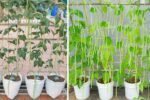
For fruits like cucumbers, peas, and even some berry plants, trellises can be a game-changer. These structures allow plants to grow upward rather than outward, optimizing your space usage.
3.3 Hanging Baskets
Hanging baskets are a creative way to grow strawberries and herbs. They save ground space and can be placed at any height for easy access.
4. Hydroponics and Aquaponics
4.1 Hydroponics
Hydroponics is a method of growing plants without soil, using nutrient-rich water instead. This can be especially beneficial for small spaces, as systems can be designed compactly. Strawberries and leafy greens are excellent candidates for hydroponic systems.
4.2 Aquaponics
Aquaponics combines aquaculture (raising fish) with hydroponics, creating a self-sustaining ecosystem. The fish waste provides organic nutrients for the plants, and in return, the plants filter and purify the water. It’s a unique and efficient gardening method for small spaces.
5. Growing Fruits from Seeds and Cuttings
5.1 Seed Starting
Start your fruit garden from seeds! Many fruits can be grown from seeds collected from store-bought fruits. Pumpkin seeds, for example, are easy to propagate.
5.2 Propagation from Cuttings
You can also grow fruits like strawberries, blackberries, and some citrus by taking cuttings from healthy plants. Ensure the cuttings are in water or soil long enough to develop roots before transplanting.

6. Seasonal Considerations
6.1 Growing Seasons
Plan your planting around the seasons. Some fruits thrive in cooler weather, while others require warm temperatures to flourish. Research the best planting times for your chosen fruit varieties.
6.2 Indoor vs. Outdoor Growing
If your climate is unsuitable for year-round outdoor gardening, consider growing fruits indoors or using a greenhouse setup. This way, you can extend your growing season significantly.
7. Maintenance and Care
7.1 Watering
Regular watering is crucial, especially in small containers where soil can dry out quickly. Ensure you water your plants adequately, checking the soil moisture regularly.
7.2 Fertilization
Fruit plants often require additional nutrients beyond what typical soil provides. Use organic fertilizers, such as compost or fish emulsion, to enrich the soil during the growing season.
7.3 Pest Management
Keep an eye out for pests and diseases, which can be more easily managed in small spaces. Use organic methods to deter pests, like companion planting or neem oil sprays.
8. Harvesting Your Fruits
8.1 Recognizing Ripeness
Learn how to identify when your fruits are ripe for harvesting. Different fruits have specific signs of readiness, like color change or softness.
8.2 Harvesting Techniques
Use proper techniques to harvest your fruits, ensuring that you do not damage the plants. For berries, pull gently from the stem; for apples, twist and lift carefully.
9. FAQs
Q1: What are the easiest fruits to grow in small spaces?
A: Some of the easiest fruits to grow in small spaces include strawberries, blueberries, dwarf citrus trees, and figs. These varieties require minimal care and thrive in containers.
Q2: Can I grow fruit indoors?
A: Yes, many fruit varieties can be grown indoors, especially dwarf citrus trees and strawberries. Ensure they receive adequate sunlight and consider using grow lights if necessary.
Q3: How often should I water my potted fruit plants?
A: Watering depends on the plant type and climate, but typically, potted plants should be watered when the top inch of soil feels dry. Monitor regularly, especially during hot weather.
Q4: Do I need to fertilize my fruit plants?
A: Yes, fruit plants benefit from additional nutrients, especially when grown in containers. Apply organic fertilizers during the growing season to support healthy fruit development.
Q5: How can I protect my fruit plants from pests?
A: Use organic pest control methods such as neem oil or insecticidal soaps. You can also introduce beneficial insects or use physical barriers like row covers.
Q6: Is hydroponics difficult for beginners?
A: Hydroponics can be beginner-friendly if you start with simple systems. It requires some initial learning, but many resources are available to guide you.
Q7: Can I grow fruits in a balcony garden?
A: Absolutely! A balcony is an ideal place to grow fruit. Just ensure it receives enough sunlight and consider lightweight containers for easier mobility.
Conclusion
Growing delightful fruit in small spaces is not only possible but also incredibly rewarding. With the right techniques, planning, and care, even those with limited space can enjoy the satisfaction of homegrown fruit. Whether you’re a beginner or a seasoned gardener, the methods outlined above will help you cultivate a fruitful haven at home, allowing you to savor the flavors of nature right outside your door.