Introduction
Early bolting in vegetables is a common agricultural challenge, threatening the productivity and quality of crops. This phenomenon, characterized by the premature flowering and seed formation of plants, can result in reduced yields and unpalatable produce. Understanding the causes of early bolting and implementing effective solutions is essential for both home gardeners and commercial producers. In this article, we will delve into the factors contributing to early bolting in various vegetables and discuss practical solutions to mitigate the issue.
What is Bolting?
Latest Posts
- With Just 1 Bottle of Water How I Was Shocked by What Happened When Growing Vegetables
- Maximize Your Home Garden with the Hanging Pea Sprout Growing Model – Space-Saving, High-Yield, and Easy-to-Manage Vertical Gardening Solution
- Just Water – The Secret to Growing Plump, White Peanut Sprouts Right at Home: A Step-by-Step Guide for Beginners
- Growing Zucchini at Home in a Container: How to Cultivate Large, Long Fruits with a 1-to-72 Day Step-by-Step Diary for Maximum Yield
- Grow Long Beans on the Terrace in Used Recycling Baskets: The Ultimate Guide to Easy, Space-Saving, and High-Yield Terrace Gardening
- How to Grow Tons of Long Beans Easily Without a Garden – A Complete Guide to Growing Healthy Yardlong Beans Without Fertilizers or Pesticides
- Easy Long Bean Growing Trick – No Garden, No Fertilizer, No Pesticide
- Grow Bitter Melon in Bottles — Harvest So Big You Can’t Eat It All! The Ultimate Guide to Bottle Gardening for Maximum Yields
- Growing Garlic Made Easy: No Soil, Fast Results – The Ultimate Guide to Growing Fresh Garlic Indoors Without Traditional Soil
- Wall-Mounted Hydroponic Watermelon System: Grow Large, Juicy, and Delicious Watermelons at Home with Minimal Space and Maximum Yield
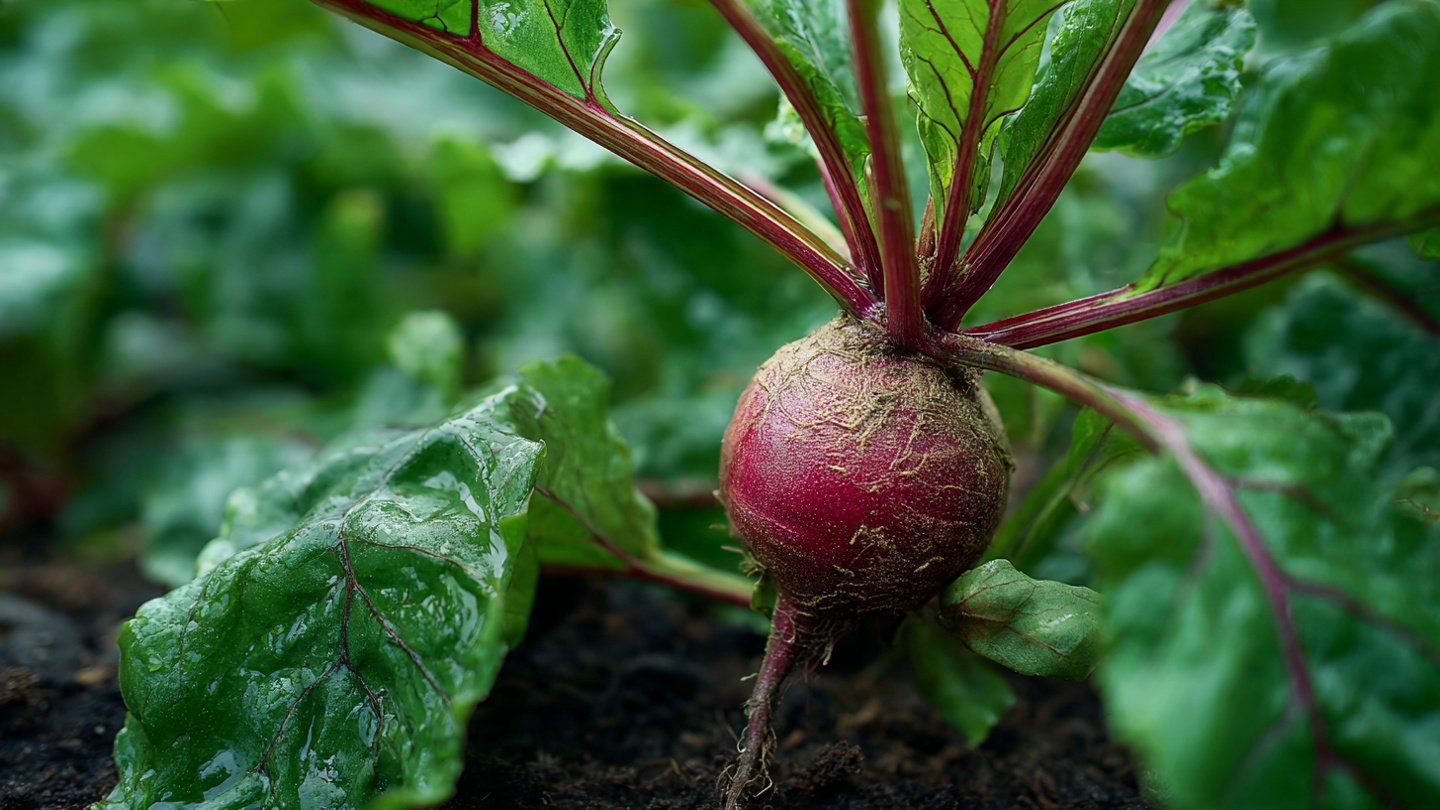
Bolting refers to the process by which a plant begins to flower and set seed. While bolting is a natural part of a plant’s life cycle, early bolting—occurring before the vegetable reaches maturity—can result in a bitter taste and tough texture in edible parts. For instance, leafy greens like lettuce and spinach can become inedible, while root vegetables such as carrots and beets may lose their prized flavor profiles.
Causes of Early Bolting
Understanding the root causes of early bolting can arm gardeners and farmers with the knowledge needed to prevent it. Here are the most common factors contributing to this issue:
1. Temperature Extremes
Most vegetable plants are sensitive to temperature changes. High temperatures can prompt early bolting, especially in leafy greens. When soil and air temperatures rise above optimal levels, plants may perceive it as a signal to reproduce, leading to premature flowering.
Solution: Employ shade cloths or row covers to cool plants during hot spells. Mulching can also help in moderating soil temperatures. For instance, covering lettuce plants with shade cloth in the peak of summer can inhibit bolting.
2. Day Length
Photoperiodism, or the response of plants to the length of day and night, significantly impacts bolting. Some plants are long-day species, requiring extended daylight hours to flower. Conversely, short-day varieties may bolt in response to shorter light conditions.
Solution: Choose the right varieties for your geographical area. If you live in a region with long summer days, select lettuce varieties bred for such conditions. Furthermore, planting crops according to their photoperiod requirements can prevent unexpected bolting.
3. Water Stress
Inconsistent watering can stress plants, which may trigger bolting. Insufficient water leads to wilting, while overwatering can promote root diseases. Both conditions create an environment conducive to premature flowering.
Solution: Implement a consistent irrigation schedule, ensuring that plants receive adequate moisture. Drip irrigation systems can help maintain uniform soil moisture levels and reduce water stress.
4. Nutrient Imbalance
The availability of nutrients in the soil affects plant growth and development. A lack of nitrogen can lead plants to bolt early, as they divert energy from leaf growth to reproductive structures. Conversely, excess nitrogen can encourage lush foliage at the expense of reproduction timing.
Solution: Conduct a soil test to determine nutrient levels and amend the soil as needed. A balanced fertilizer approach can promote healthy growth without triggering early bolting.
5. Pest Attacks
Pests can cause stress to plants, leading to bolting. For example, aphids and caterpillars can damage leaves and stems, diverting the plant’s energy toward survival and reproduction rather than growth.
Solution: Monitor plants regularly and adopt integrated pest management (IPM) strategies. Introduce beneficial insects, such as ladybugs, or use organic insecticides to control pest populations effectively.
6. Genetic Factors
Some vegetable varieties are genetically predisposed to bolt early. This is especially clear in heirloom varieties or certain hybrids, which may not be as tolerant as modern cultivars designed for cultivation in specific environments.
Solution: Research seed varieties before planting. Opt for hybrids known for their resistance to early bolting and select seeds suited for your local climate and growing conditions.
Managing Early Bolting: Best Practices
Successfully reducing the risk of early bolting involves implementing a combination of strategies across different stages of crop management.
1. Soil Preparation
Healthy soil leads to robust plants that are more resistant to stress. Prior to planting, amend the soil with organic matter, such as compost or well-rotted manure, to improve nutrient content and moisture retention. Incorporate fertilizers based on soil test results to ensure a balanced nutrient profile.
2. Timing of Planting
The timing of your planting operation is crucial. Planting too early in the spring can expose crops to late frost, while sowing too late can lead to high temperatures during the growing season. As a general rule, understanding your region’s frost dates and expected temperatures is key to successful timing.
3. Crop Rotation and Diversity
Rotating crops reduces the build-up of pests and diseases, promoting healthier plants that are less likely to bolt. Additionally, planting diverse crops can offer a buffer against environmental stressors.
4. Harvesting Techniques
Timing also plays a role in managing bolting. Harvest crops before they bolt when possible. For leafy greens, harvesting in the morning can not only yield crisper produce but also delay bolting.
5. Using Cold Frames or Greenhouses
In regions with fluctuating weather conditions, using a cold frame or greenhouse can provide a stable environment for young plants. These structures create a controlled atmosphere that minimizes the risk of temperature-related bolting.
Specific Vegetables Affected by Early Bolting
Different vegetables experience bolting at different rates, influenced by their growth habits and environmental preferences. Here are some common vegetables impacted by early bolting along with specific considerations:
1. Lettuce
Lettuce is particularly susceptible to bolting when exposed to heat and long days. To avoid this, choose “slow-bolting” varieties like Butterhead or Romaine, and consider staggered planting for a continuous harvest.
2. Spinach
Like lettuce, spinach can bolt rapidly with increasing temperatures. Opt for varieties like ‘New Zealand’ or ‘Téxas’ that are bred for heat tolerance.
3. Carrots
Carrots may bolt if planted under stress, particularly if grown in poorly drained soil. Mulching and appropriate watering can help stave off stress-related bolting.
4. Brassicas (Broccoli, Cauliflower, Cabbage)
Brassicas are sensitive to temperatures and light, with cabbage and cauliflower being particularly prone. Plant these crops in late spring or early fall for optimal growth.
5. Radishes
Radishes can bolt quickly at high temperatures. They are fast-growing crops that typically respond well to cooler weather; hence, spring or fall planting is preferable.
Conclusion
Early bolting in vegetables can be a significant hurdle for gardeners and farmers alike, affecting crop yield and quality. By understanding the contributing factors—temperature extremes, day length, water stress, nutrient imbalance, pest attacks, and genetic predisposition—investors in agriculture can take proactive measures.
Implementing best practices such as careful soil preparation, managing planting timing, and adopting integrated pest management can help prevent early bolting effectively. Additionally, selecting appropriate vegetable varieties suited to local conditions can further mitigate risks.
Ultimately, the right combination of knowledge, strategy, and practices can significantly improve vegetable crop resilience and productivity, yielding the flavorful produce that consumers desire.
By applying these strategies, both novice and experienced cultivators can combat early bolting and promote healthier, more productive gardens and fields.