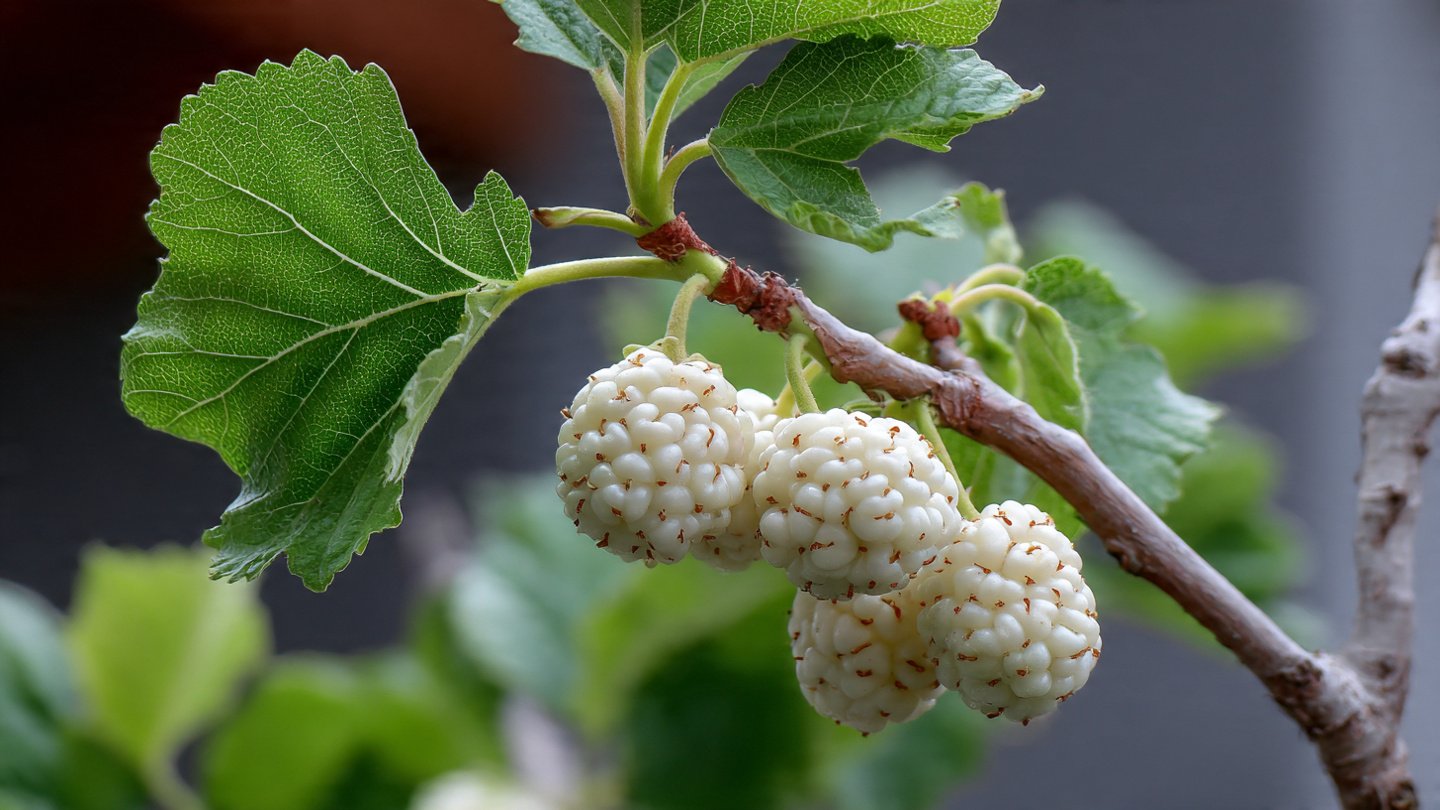
When we think of exotic fruits, images of dragonfruits, lychees, and rambutan often spring to mind. Yet nestled within our own ecosystems is a true gem that deserves its moment in the spotlight: the white exotic mulberry (Morus alba). With its luscious taste and an array of health benefits, the white mulberry not only tantalizes our taste buds but also offers rich culinary and medicinal uses. This article serves as a comprehensive guide to help you discover the delights of this intriguing fruit.
A Brief History of White Exotic Mulberry
The white mulberry is native to China and has been cultivated for over 4,000 years. Initially, it was grown primarily for its leaves, which are essential for silkworm cultivation. As these silkworms feed on the leaves, they spin silk, which became a significant trade commodity along the ancient Silk Road.
Latest Posts
- With Just 1 Bottle of Water How I Was Shocked by What Happened When Growing Vegetables
- Maximize Your Home Garden with the Hanging Pea Sprout Growing Model – Space-Saving, High-Yield, and Easy-to-Manage Vertical Gardening Solution
- Just Water – The Secret to Growing Plump, White Peanut Sprouts Right at Home: A Step-by-Step Guide for Beginners
- Growing Zucchini at Home in a Container: How to Cultivate Large, Long Fruits with a 1-to-72 Day Step-by-Step Diary for Maximum Yield
- Grow Long Beans on the Terrace in Used Recycling Baskets: The Ultimate Guide to Easy, Space-Saving, and High-Yield Terrace Gardening
- How to Grow Tons of Long Beans Easily Without a Garden – A Complete Guide to Growing Healthy Yardlong Beans Without Fertilizers or Pesticides
- Easy Long Bean Growing Trick – No Garden, No Fertilizer, No Pesticide
- Grow Bitter Melon in Bottles — Harvest So Big You Can’t Eat It All! The Ultimate Guide to Bottle Gardening for Maximum Yields
- Growing Garlic Made Easy: No Soil, Fast Results – The Ultimate Guide to Growing Fresh Garlic Indoors Without Traditional Soil
- Wall-Mounted Hydroponic Watermelon System: Grow Large, Juicy, and Delicious Watermelons at Home with Minimal Space and Maximum Yield
With time, the white mulberry found its way to Europe, Asia, and North America, where it adapted well to various climates. Today, it’s appreciated not only for its practical uses but also for its delightful fruit. The white mulberry tree itself is a hardy, fast-growing species that can reach up to 30 feet in height and is characterized by its broad leaves and clusters of small, sweet fruits.
The Taste and Culinary Uses
White mulberries are characterized by their soft texture and sweet flavor, reminiscent of honey. They are smaller than their darker counterparts, measuring about 1-2 centimeters in length and bearing a unique creamy-white hue. Once plucked, these berries can be consumed fresh or incorporated into various culinary dishes.
Fresh Consumption
White mulberries can be enjoyed straight off the tree. Their soft, juicy flesh is satisfying, making them an ideal snack during the summer months. They are perfect for those looking to indulge their sweet tooth in a healthy manner.

Desserts and Baked Goods
The sweet flavor of white mulberries makes them an excellent addition to desserts. They can be used in pies, tarts, or as a topping for cakes and ice creams. One can even make mulberry jam, preserving the fruit’s sweetness for a more extended period.
Salads and Savory Dishes
For those looking to experiment, white mulberries can also be added to salads, providing a sweet contrast to tangy dressings. They combine well with nuts, cheeses, and greens, creating a flavor explosion. Additionally, white mulberries can act as a delightful topping for pancakes or yogurt, enhancing both taste and nutrition.
Beverages
Mulberry-infused drinks are becoming increasingly popular. From smoothies to teas, the fruit’s natural sweetness can enhance both flavor and nutritional value. Homemade mulberry wine is also a burgeoning trend among enthusiasts.
Nutritional Profile
While the taste of white mulberries is indeed delightful, their nutritional benefits are equally noteworthy. They are low in calories and rich in essential nutrients, making them an excellent health food.

Rich in Vitamins and Minerals
White mulberries are an impressive source of vitamins C and K. Vitamin C is crucial for maintaining a healthy immune system, while vitamin K plays a vital role in blood clotting and bone health. Additionally, they contain a modest amount of iron, calcium, and potassium.
Antioxidants
Antioxidants play a critical role in combating oxidative stress in our bodies. White mulberries are packed with various antioxidants, including flavonoids, which help protect the body from cellular damage. This may lead to a reduced risk of chronic diseases such as heart disease and diabetes.
Dietary Fiber
White mulberries also provide dietary fiber, which is essential for digestion. A diet rich in fiber can promote a healthy digestive system and help maintain stable blood sugar levels.
Growing White Exotic Mulberry
For those interested in cultivating white mulberries, the process is relatively straightforward. These trees thrive best in hardiness zones 5-9 and prefer full sun and well-drained soil.
Planting

When planting, select a location with ample sunlight and good air circulation to promote healthy growth. Mulberries can tolerate poor soil conditions, but enriching the soil with organic matter can enhance fruit quality. It’s essential to water the young trees adequately, especially during dry spells.
Care and Maintenance
Once established, white mulberry trees require minimal maintenance. Occasional pruning can help maintain shape and encourage more fruitful branches. Pests are generally not an issue, although it’s always wise to keep an eye out for common garden pests.
Harvesting
The fruits are typically ready for harvest in late spring to early summer. They should be slightly soft to the touch and have a rich, sweet aroma. Gently tugging on the fruits can help determine their readiness; if they detach easily, it’s time to enjoy!
Possible Health Benefits of White Exotic Mulberry
In addition to their nutritional value, white mulberries have been linked to various health benefits. While research is ongoing, some potential advantages include:
- Blood Sugar Control: There is preliminary research suggesting that white mulberries may help stabilize blood sugar levels, making them a potentially beneficial fruit for those with diabetes.
- Heart Health: The presence of antioxidants may support heart health by combating oxidative stress and inflammation.
- Supports Immune Function: With their high vitamin C content, mulberries can boost your immune system and help ward off common illnesses.

FAQs about White Exotic Mulberry
1. What do white mulberries taste like?
White mulberries have a sweet, honey-like flavor. They are soft and juicy, making them an enjoyable fresh snack.
2. How can I use white mulberries in cooking?
You can use white mulberries in desserts like pies and jams, in salads for added sweetness, or even in smoothies and drinks.
3. Are white mulberries safe to eat?
Yes, white mulberries are generally safe to eat and are considered a healthy snack. However, it’s always best to wash them thoroughly before consuming.
4. How can I grow a white mulberry tree?

White mulberry trees thrive in full sun and well-drained soil. Plant them in a sunny spot and water them regularly, especially during the initial stage of growth.
5. Can white mulberries help with blood sugar levels?
Preliminary studies suggest that white mulberries may assist in stabilizing blood sugar levels, but consult a healthcare provider for personalized advice.
6. Where can I buy white mulberries?
You can often find white mulberries at local farmers’ markets, specialty grocery stores, or even online.
In summary, the white exotic mulberry is indeed a hidden treasure of nature, offering an array of flavors, nutritional benefits, and culinary possibilities. Whether you decide to grow your own tree or simply indulge in these delightful fruits, you’re bound to discover the joys this unique berry has to offer.