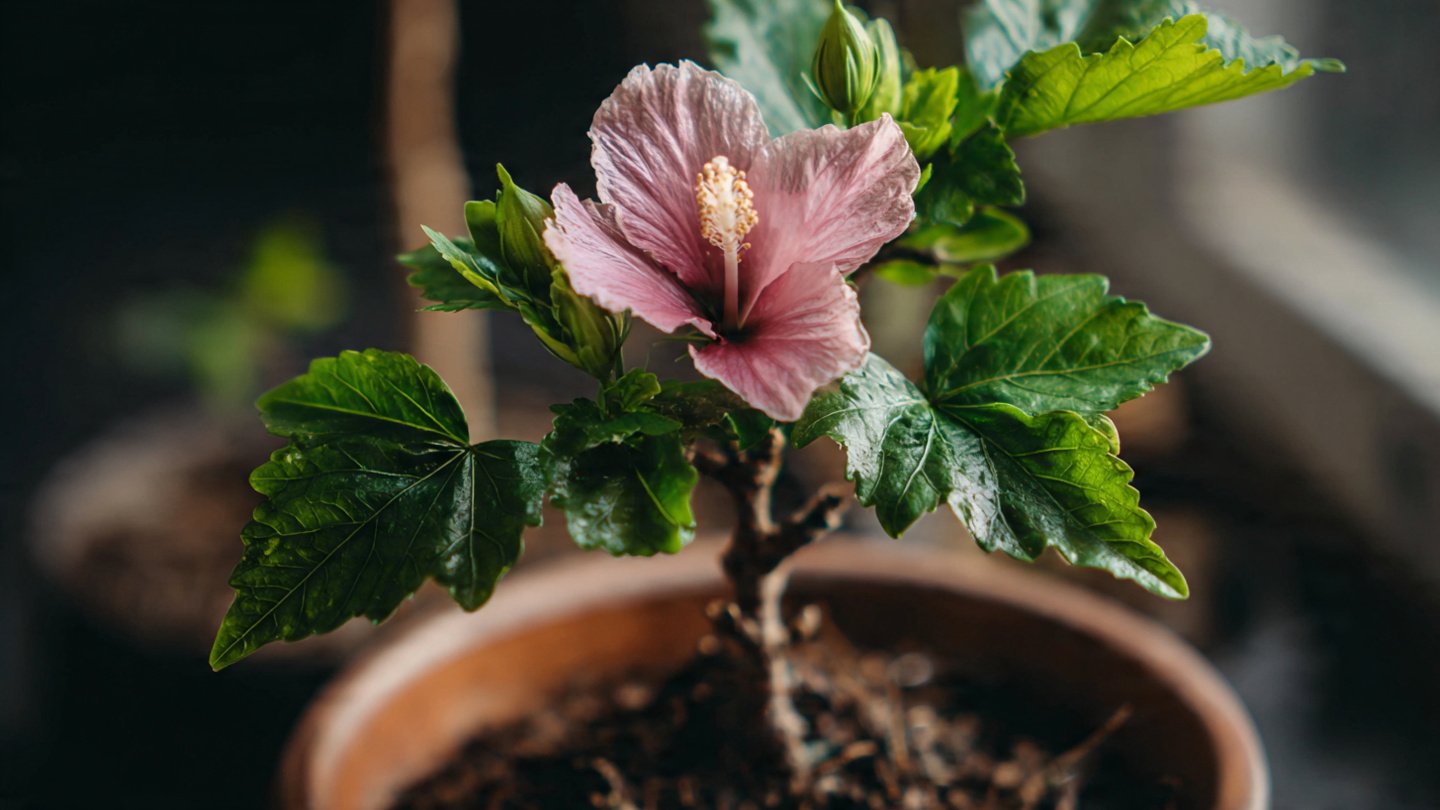
Hibiscus plants are famed for their stunning, tropical flowers and their ability to bring vibrant colors to gardens and interiors alike. One of the joys of having these beauties in your life is the opportunity to propagate them, allowing you to expand your collection or share the love with friends and family. This article will explore a simple yet effective method to propagate your hibiscus plant at home, along with essential tips, tricks, and a comprehensive FAQ section.
Understanding Hibiscus Plants
Hibiscus Varieties
Latest Posts
- With Just 1 Bottle of Water How I Was Shocked by What Happened When Growing Vegetables
- Maximize Your Home Garden with the Hanging Pea Sprout Growing Model – Space-Saving, High-Yield, and Easy-to-Manage Vertical Gardening Solution
- Just Water – The Secret to Growing Plump, White Peanut Sprouts Right at Home: A Step-by-Step Guide for Beginners
- Growing Zucchini at Home in a Container: How to Cultivate Large, Long Fruits with a 1-to-72 Day Step-by-Step Diary for Maximum Yield
- Grow Long Beans on the Terrace in Used Recycling Baskets: The Ultimate Guide to Easy, Space-Saving, and High-Yield Terrace Gardening
- How to Grow Tons of Long Beans Easily Without a Garden – A Complete Guide to Growing Healthy Yardlong Beans Without Fertilizers or Pesticides
- Easy Long Bean Growing Trick – No Garden, No Fertilizer, No Pesticide
- Grow Bitter Melon in Bottles — Harvest So Big You Can’t Eat It All! The Ultimate Guide to Bottle Gardening for Maximum Yields
- Growing Garlic Made Easy: No Soil, Fast Results – The Ultimate Guide to Growing Fresh Garlic Indoors Without Traditional Soil
- Wall-Mounted Hydroponic Watermelon System: Grow Large, Juicy, and Delicious Watermelons at Home with Minimal Space and Maximum Yield
Before diving into propagation techniques, it’s vital to recognize the varieties of hibiscus that exist. The most common types include:
-
Tropical Hibiscus: Known for their large, showy flowers. They thrive in warm climates and can be grown indoors.
-
Hardy Hibiscus: These are more cold-tolerant and can survive in various climates. They often grow larger and are perfect for garden borders.
-
Rose of Sharon (Hibiscus syriacus): A resilient shrub that produces beautiful blooms in late summer.
Understanding your specific hibiscus type will guide your propagation strategy, so be sure to research your plant’s needs!
The Best Time to Propagate Hibiscus

The best time to propagate hibiscus cuttings is during the late spring or early summer. This is when the plant is actively growing, which enhances the chances of successful rooting. Timing your propagation properly will result in healthier plants and increased success rates.
Method for Propagating Hibiscus
Materials Needed
To successfully propagate your hibiscus plant, gather the following materials:
- Sharp, clean pruning shears
- A small pot (4-6 inches in diameter)
- Well-draining potting mix (a mixture of peat moss, perlite, and vermiculite works well)
- Rooting hormone (optional but recommended)
- Plastic wrap or a clear plastic bag
Step-by-Step Guide
Step 1: Select a Healthy Parent Plant
Choose a healthy hibiscus plant that shows no signs of pests or disease. Look for strong stems and vibrant leaves. This plant will provide the cuttings needed for propagation.
Step 2: Take the Cuttings

Using sharp, clean pruning shears, take a cutting from the parent plant. Aim for a stem that is 4-6 inches long and contains at least two or three leaf nodes. Make a clean cut just below a node, as this is where roots are most likely to emerge.
Step 3: Prepare the Cuttings
Remove any lower leaves from the cutting, as these can rot when placed in soil. If your cutting has larger leaves at the top, you may want to trim them by half to reduce moisture loss, allowing the plant to focus its energy on root development.
Step 4: Apply Rooting Hormone
Although this step is optional, applying rooting hormone to the cut end of your cutting can significantly increase your chances of success. This hormone promotes root growth and helps prevent rot.
Step 5: Plant the Cuttings
Fill your small pot with the well-draining potting mix and make a small hole in the center for the cutting. Place the cutting in the hole and gently press the soil around it to secure it in place.
Step 6: Water and Create Humidity
Water the soil thoroughly, ensuring that it is moist but not soggy. To create a humid environment for the cutting, cover the pot with plastic wrap or a clear plastic bag, making sure it doesn’t touch the leaves. This creates a mini greenhouse effect, which helps in rooting.
Step 7: Place in Indirect Light
Find a warm, bright spot in your home where the cutting will receive indirect light. Too much direct sunlight can scorch the leaves and hinder root development.

Step 8: Monitor and Care
Check the soil regularly to ensure it remains moist but not overly wet. After a few weeks to a couple of months, you can gently tug on the cutting; if there’s resistance, roots have formed!
Transplanting Your New Hibiscus Plant
Once the cutting has developed a robust root system, it’s time to transplant it to a larger pot or outdoors, depending on your climate preference.
-
Choose a New Pot: Select a pot that is a couple of inches larger in diameter than the current pot.
-
Prepare the Soil: Use a quality potting soil or garden soil, enriched with compost for added nutrients.
-
Remove the Cutting: Gently slide the cutting out of the old pot, being careful not to damage the roots. If you have trouble, you might need to tap the sides of the pot lightly.
-
Transplant: Place the cutting in the center of the new pot and fill in with soil, patting it down gently around the roots.
-
Water Thoroughly: Water the newly potted hibiscus well but avoid saturating the soil completely.

Caring for Your New Hibiscus Plant
Once transplanted, your hibiscus will need proper care to thrive:
- Light: Ensure it receives plenty of indirect sunlight.
- Watering: Water when the top inch of soil feels dry.
- Fertilizer: Feed with a balanced fertilizer every 2-4 weeks during the growing season.
- Pruning: Regularly prune to promote bushier growth and remove any dead or spent flowers.
FAQs
1. How long does it take for hibiscus cuttings to root?
Typically, hibiscus cuttings will start to develop roots within 4-8 weeks, depending on various factors such as the environment and care given.
2. Can I propagate hibiscus in water?
Yes, you can propagate hibiscus cuttings in water. Ensure the bottom part is submerged but avoid putting any leaves underwater, as they can rot. Change the water every few days to keep it fresh.
3. What type of soil is best for hibiscus propagation?
A well-draining potting mix that retains some moisture is ideal. A blend of peat moss, perlite, and vermiculite works particularly well for hibiscus propagation.

4. Can I use store-bought hibiscus for propagation?
Absolutely! As long as the plant is healthy and free from disease, store-bought hibiscus can be an excellent source for cuttings.
5. What should I do if my cutting fails to root?
If your cutting fails to root, consider adjusting your care. Make sure the soil is adequately moist (not soggy), check for indirect light, and ensure the cutting was taken from a healthy parent plant. Always give it some time, as some varieties may take longer to root.
6. Are there any common pests I should be aware of?
Yes, common pests for hibiscus include aphids, spider mites, and whiteflies. Regularly inspecting your plants and treating any infestations promptly with organic pesticides or gentle soap solutions can help manage these issues.
7. How often should I fertilize a propagated hibiscus?
Fertilize every 2-4 weeks with a balanced, water-soluble fertilizer during the growing season (spring and summer). Reduced fertilization is recommended during fall and winter when the plant grows less.
Conclusion
Propagating your hibiscus plant is not only a fulfilling experience but also a fantastic way to enjoy these stunning flowers year after year. With the right materials, timing, and care, you can successfully grow new plants from your favorites at home. Happy gardening!