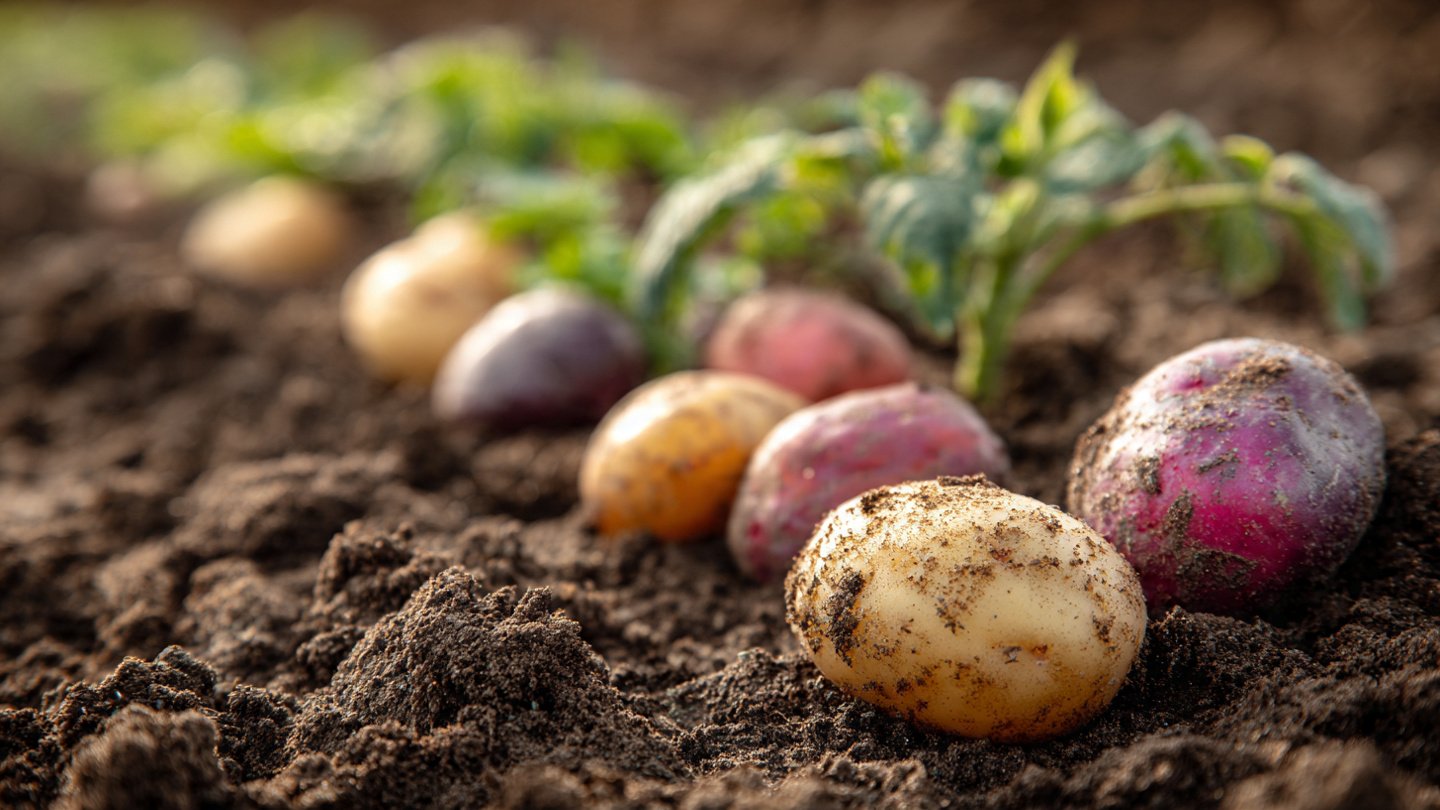
Planting potatoes can be a rewarding experience for both novice and experienced gardeners alike. The satisfaction of growing your own food is unparalleled, and potatoes are among the most versatile and beloved crops you can cultivate. In this guide, we will walk you through the entire process of planting potatoes, providing you with tips, techniques, and answers to frequently asked questions.
Why Grow Potatoes?
Potatoes are a fantastic crop for several reasons:
Latest Posts
- With Just 1 Bottle of Water How I Was Shocked by What Happened When Growing Vegetables
- Maximize Your Home Garden with the Hanging Pea Sprout Growing Model – Space-Saving, High-Yield, and Easy-to-Manage Vertical Gardening Solution
- Just Water – The Secret to Growing Plump, White Peanut Sprouts Right at Home: A Step-by-Step Guide for Beginners
- Growing Zucchini at Home in a Container: How to Cultivate Large, Long Fruits with a 1-to-72 Day Step-by-Step Diary for Maximum Yield
- Grow Long Beans on the Terrace in Used Recycling Baskets: The Ultimate Guide to Easy, Space-Saving, and High-Yield Terrace Gardening
- How to Grow Tons of Long Beans Easily Without a Garden – A Complete Guide to Growing Healthy Yardlong Beans Without Fertilizers or Pesticides
- Easy Long Bean Growing Trick – No Garden, No Fertilizer, No Pesticide
- Grow Bitter Melon in Bottles — Harvest So Big You Can’t Eat It All! The Ultimate Guide to Bottle Gardening for Maximum Yields
- Growing Garlic Made Easy: No Soil, Fast Results – The Ultimate Guide to Growing Fresh Garlic Indoors Without Traditional Soil
- Wall-Mounted Hydroponic Watermelon System: Grow Large, Juicy, and Delicious Watermelons at Home with Minimal Space and Maximum Yield
- Nutritional Value: They are rich in vitamins, minerals, and complex carbohydrates.
- Versatility: Potatoes can be used in various dishes and cuisines.
- Storage: Properly stored, harvested potatoes can last several months, providing sustenance throughout the year.
- Relatively Easy to Grow: With the right conditions, potatoes can thrive in various climates and soils.
Choosing the Right Seed Potatoes
The first step to successful potato planting is selecting the right seed potatoes. Unlike regular potatoes from the supermarket, seed potatoes are grown specifically for planting. Look for the following characteristics:
- Disease-Free: Choose certified seed potatoes to minimize the risk of disease.
- Size and Variety: Smaller potatoes or cut pieces (each with at least one “eye”) are ideal for planting. There are many varieties—including russets, reds, and fingerlings—each with unique flavors and uses.

Preparing Your Soil
Potatoes thrive in well-drained, loose soil that is rich in organic matter. Follow these steps to prepare your garden bed:
- Test the Soil: Conducting a soil test can help determine pH and nutrient levels. Potatoes prefer a slightly acidic pH of 5.8 to 6.5.
- Amend the Soil: Add organic compost or well-rotted manure to enrich your soil.
- Till the Soil: Loosen the soil to a depth of at least 12 inches to allow for proper root growth.
Planting Potatoes
Timing
Timing is crucial when it comes to planting potatoes. Generally, they should be planted 2-4 weeks before the last expected frost date in your area. However, if you live in a warmer climate, you may be able to plant earlier.
Setting Up the Planting Area
- Choose a Sunny Spot: Potatoes prefer full sun, so choose a location that receives at least 6 hours of sunlight daily.
- Row Spacing: Space your rows about 2-3 feet apart to allow for air circulation and accessibility.
Planting Technique
- Cut Seed Potatoes: If using larger seed potatoes, cut them into pieces, ensuring each piece has at least one eye.
- Planting Depth: Dig holes or trenches about 4-6 inches deep and place the seed potatoes (or pieces) with the cut side facing down.
- Planting Distance: Space the potatoes 12-15 inches apart within the row.
- Covering: Cover the seed potatoes with soil and water lightly.

Care and Maintenance
Once your potatoes are planted, maintaining their health is essential.
Watering
Keep the soil consistently moist but not waterlogged. Potatoes require about 1-2 inches of water per week. Irregular watering can lead to issues like splitting and scab.
Hilling
Hilling is the process of covering potato plants with soil as they grow. This technique helps to support the plant and encourages the growth of additional tubers.
- When to Hill: Begin hilling when the plants are about 6-8 inches tall and continue every few weeks as they grow.
- How to Hill: Use a hoe or shovel to mound soil around the base, leaving the top leaves exposed.
Fertilizing

Applying a balanced fertilizer (like a 10-10-10 NPK mix) when the plants are about 6 inches tall can encourage healthy growth. Be cautious not to over-fertilize, which can lead to foliage but reduced tuber development.
Pests and Diseases
Potatoes are susceptible to several pests and diseases. Here’s how to manage them:
Common Pests
- Colorado Potato Beetle: Handpick or use organic pesticides if an infestation occurs.
- Aphids: Attract beneficial insects like ladybugs or use insecticidal soap.
Common Diseases
- Late Blight: Ensure good air circulation and avoid overhead watering.
- Scab: This can be prevented by using clean seed potatoes and maintaining soil pH.
Harvesting Potatoes
The harvest time for potatoes depends on the variety you planted, but most will be ready 70-120 days after planting. Look for the following signs:
- Flowering: When potato plants flower, it’s a sign that tubers are forming.
- Topping Foliage: When the leaves begin to yellow and die back, it’s time to harvest.
How to Harvest
- Tools Needed: A spading fork or shovel works best.
- Gentle Digging: Carefully dig around the plant to avoid damaging the tubers.
- Curing: Allow harvested potatoes to cure in a cool, dark, and humid location for a week to enhance their flavor and promote storage longevity.
FAQs
1. How deep should I plant seed potatoes?
Plant seed potatoes 4-6 inches deep.
2. How far apart should seed potatoes be planted?
Space seed potatoes 12-15 inches apart within rows.
3. What is hilling, and why is it important?
Hilling involves mounding soil around the base of potato plants to encourage tuber growth and help support the plant.
4. How often should I water potatoes?
Potatoes require about 1-2 inches of water per week, depending on your climate and soil type.
5. Can I grow potatoes in containers?
Yes, potatoes can be successfully grown in containers. Be sure to choose a large enough container and use quality potting soil.
6. What should I do if my potato plants are wilting?
Wilting can result from over or under-watering. Check the soil moisture levels to determine the right course of action.
7. How can I store harvested potatoes?
Store harvested potatoes in a cool, dark, and dry place, away from sunlight to prevent sprouting.
Conclusion
Growing potatoes can be a delightful venture that yields nutritious and delicious results. With the right preparation, care, and techniques, you can cultivate a bountiful crop in your garden. Whether you’re savoring them for a home-cooked meal or sharing them with loved ones, the flavor of home-grown potatoes is unmatched. Dig in and enjoy the process!