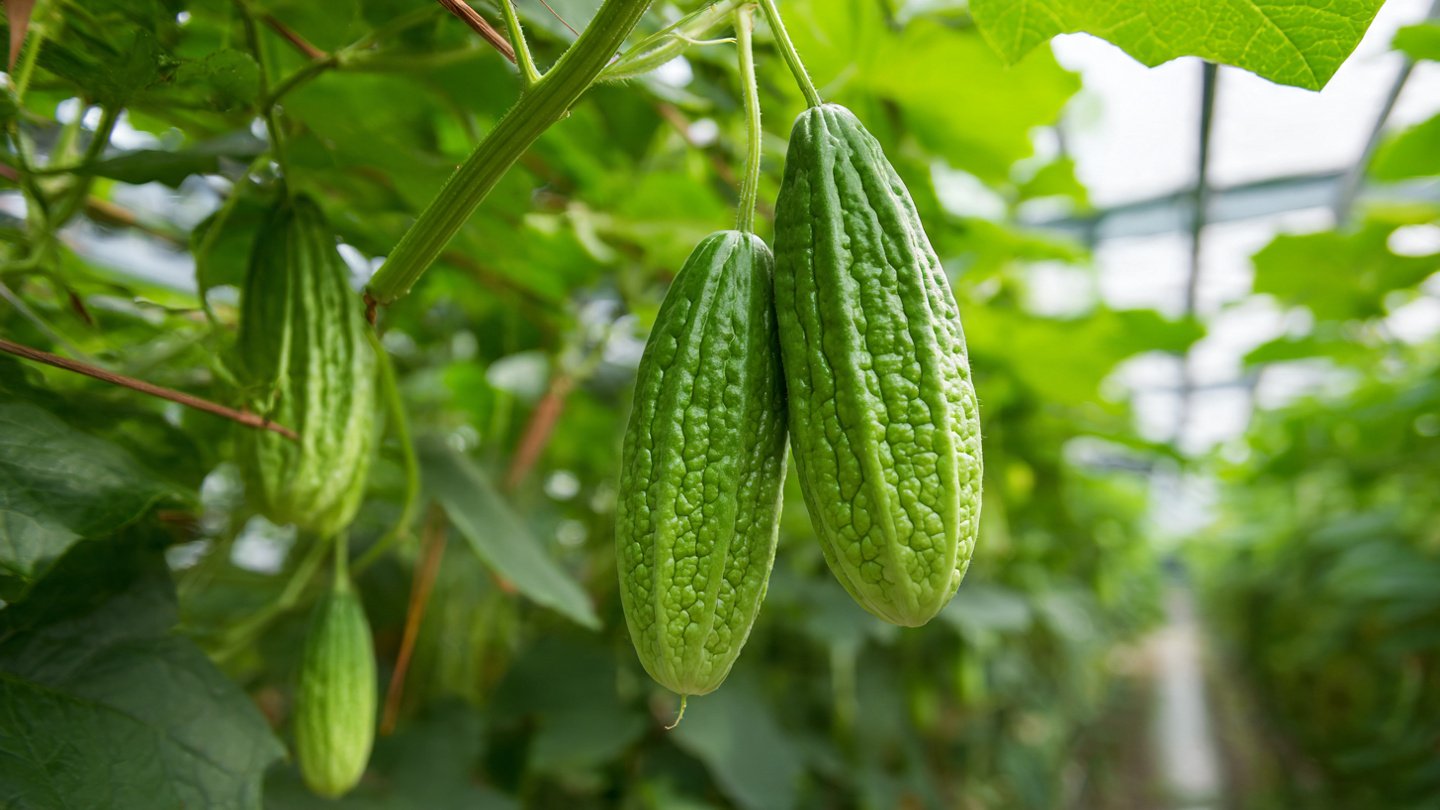
Container gardening offers an excellent opportunity for gardening enthusiasts and beginners alike to cultivate their favorite plants, even in limited spaces. One plant that has gained popularity in container gardens is the bitter gourd, also known as bitter melon or Momordica charantia. This unique vegetable is cherished for its distinctive taste and numerous health benefits. In this guide, you will learn everything you need to know about growing lush bitter gourd in containers at home!
Why Grow Bitter Gourd?
Health Benefits
Latest Posts
- With Just 1 Bottle of Water How I Was Shocked by What Happened When Growing Vegetables
- Maximize Your Home Garden with the Hanging Pea Sprout Growing Model – Space-Saving, High-Yield, and Easy-to-Manage Vertical Gardening Solution
- Just Water – The Secret to Growing Plump, White Peanut Sprouts Right at Home: A Step-by-Step Guide for Beginners
- Growing Zucchini at Home in a Container: How to Cultivate Large, Long Fruits with a 1-to-72 Day Step-by-Step Diary for Maximum Yield
- Grow Long Beans on the Terrace in Used Recycling Baskets: The Ultimate Guide to Easy, Space-Saving, and High-Yield Terrace Gardening
- How to Grow Tons of Long Beans Easily Without a Garden – A Complete Guide to Growing Healthy Yardlong Beans Without Fertilizers or Pesticides
- Easy Long Bean Growing Trick – No Garden, No Fertilizer, No Pesticide
- Grow Bitter Melon in Bottles — Harvest So Big You Can’t Eat It All! The Ultimate Guide to Bottle Gardening for Maximum Yields
- Growing Garlic Made Easy: No Soil, Fast Results – The Ultimate Guide to Growing Fresh Garlic Indoors Without Traditional Soil
- Wall-Mounted Hydroponic Watermelon System: Grow Large, Juicy, and Delicious Watermelons at Home with Minimal Space and Maximum Yield
Bitter gourd is not just an ingredient in various culinary dishes; it is also packed with health benefits. It is rich in vitamins A, C, and several B vitamins, along with crucial minerals like iron, calcium, and potassium. Some research suggests that bitter gourd can help regulate blood sugar, making it a popular choice among those managing diabetes.
Culinary Uses
In various cuisines, particularly in Asian and Indian dishes, bitter gourd is celebrated for its unique flavor profile. It can be stir-fried, stuffed, or used in soups, making it a versatile ingredient for your kitchen.
Basic Requirements for Growing Bitter Gourd
Choosing the Right Container
The first step in container gardening is selecting the right pots. When growing bitter gourd, choose a container that is at least 12 inches deep and wide. Ensure that it has drainage holes to prevent waterlogging, which can lead to root rot.

Soil Requirements
Bitter gourds thrive in well-draining soil that is rich in organic matter. A potting mix that consists of peat moss, compost, and perlite is ideal. You can also mix in some organic fertilizer to improve soil fertility.
Location
Bitter gourd requires full sun for optimal growth. Choose a location that receives at least 6-8 hours of direct sunlight each day. If you live in a hot climate, consider providing some afternoon shade to protect the plants from scorching heat.
Planting Bitter Gourd
Sowing Seeds
Bitter gourd can be grown from seeds or seedlings. If you’re starting from seeds, soak them in water for about 24 hours before planting. This helps soften the seed coat and accelerates germination. Plant the seeds about an inch deep in the prepared container after the last frost date in your area.
Transplanting Seedlings
If you choose to use seedlings, ensure they have developed a few sets of leaves before transplanting them into the container. Be gentle when moving them to avoid damaging the roots.
Spacing

If you’re planting multiple bitter gourd plants, spacing is crucial. Ideally, space your plants about 12-18 inches apart to allow for good air circulation and access to sunlight.
Caring for Bitter Gourd Plants
Watering
Bitter gourd plants prefer consistently moist soil but not soggy conditions. Water them thoroughly when the top inch of the soil feels dry. During hot weather or if you notice wilting, be sure to check the moisture level more frequently.
Fertilizing
Applying fertilizer can significantly impact the growth and yield of your bitter gourd plants. Use a balanced organic fertilizer every four to six weeks. Consider using liquid fertilizers to cater to the plants’ immediate nutrient needs.
Pruning
To encourage bushier growth and increased fruiting, pinch off the growing tips of the plants once they reach about 18 inches in height. Also, remove any dead or yellowing leaves regularly to improve air circulation and reduce disease risks.
Supports
Bitter gourd is a climbing plant, so provide a trellis or sturdy support for your plants. This not only saves space but also improves air circulation and makes harvesting easier.

Harvesting Bitter Gourd
Bitter gourd typically takes about 60-90 days to reach maturity from germination, depending on the variety. It is best to harvest the gourds when they are still green and firm. If left on the vine too long, they will turn yellow and become overly bitter. Use sharp garden shears to cut the gourd off the vine, ensuring minimal damage to the plant.
Troubleshooting Common Problems
Pest Issues
Common pests that may bother your bitter gourd plants include aphids, spider mites, and whiteflies. Introduce beneficial insects like ladybugs into your garden or use insecticidal soap to control these pests. Regular monitoring can help you catch infestations early.
Diseases
Bitter gourd is susceptible to fungal diseases such as powdery mildew. Ensure good air circulation, avoid overhead watering, and remove any diseased foliage immediately.
Environmental Stress
Bitter gourd plants are sensitive to extreme conditions. If you notice wilting or yellowing leaves, check for underwatering, overwatering, or nutrient deficiencies. If there’s excessive heat, consider providing shade during the hottest part of the day.

FAQs about Container Gardening with Bitter Gourd
1. Can I grow bitter gourd in small containers?
While it is possible to grow bitter gourd in smaller containers, a pot should ideally be at least 12 inches deep and wide for better root development and fruit yield.
2. How often should I water my bitter gourd plants?
Water thoroughly when the top inch of soil feels dry. During hot weather, you may need to water more frequently, but do not let the plants sit in water.
3. Does bitter gourd require full sun?
Yes, bitter gourd thrives in full sun and requires at least 6-8 hours of direct sunlight daily for optimal growth.
4. How long does it take for bitter gourd to grow?
Bitter gourd typically takes about 60-90 days from seed germination to harvest, depending on the variety and growing conditions.
5. Can I use store-bought bitter gourd seeds?

Yes, but ensure they are from a reputable source and, if possible, choose organic seeds for better germination and growth.
6. How can I increase the yield of my bitter gourd plants?
Regular fertilization, proper spacing, and providing support for climbing can significantly improve the yield of your bitter gourd plants.
7. Are there any companion plants for bitter gourd?
Bitter gourd can benefit from being planted alongside herbs like basil and marigolds, which can deter pests and provide additional nutrients.
Now that you have a comprehensive guide to growing lush bitter gourd at home, it’s time to get started! With the right care and attention, you’ll be on your way to enjoying this nutritious vegetable in your kitchen. Happy gardening!