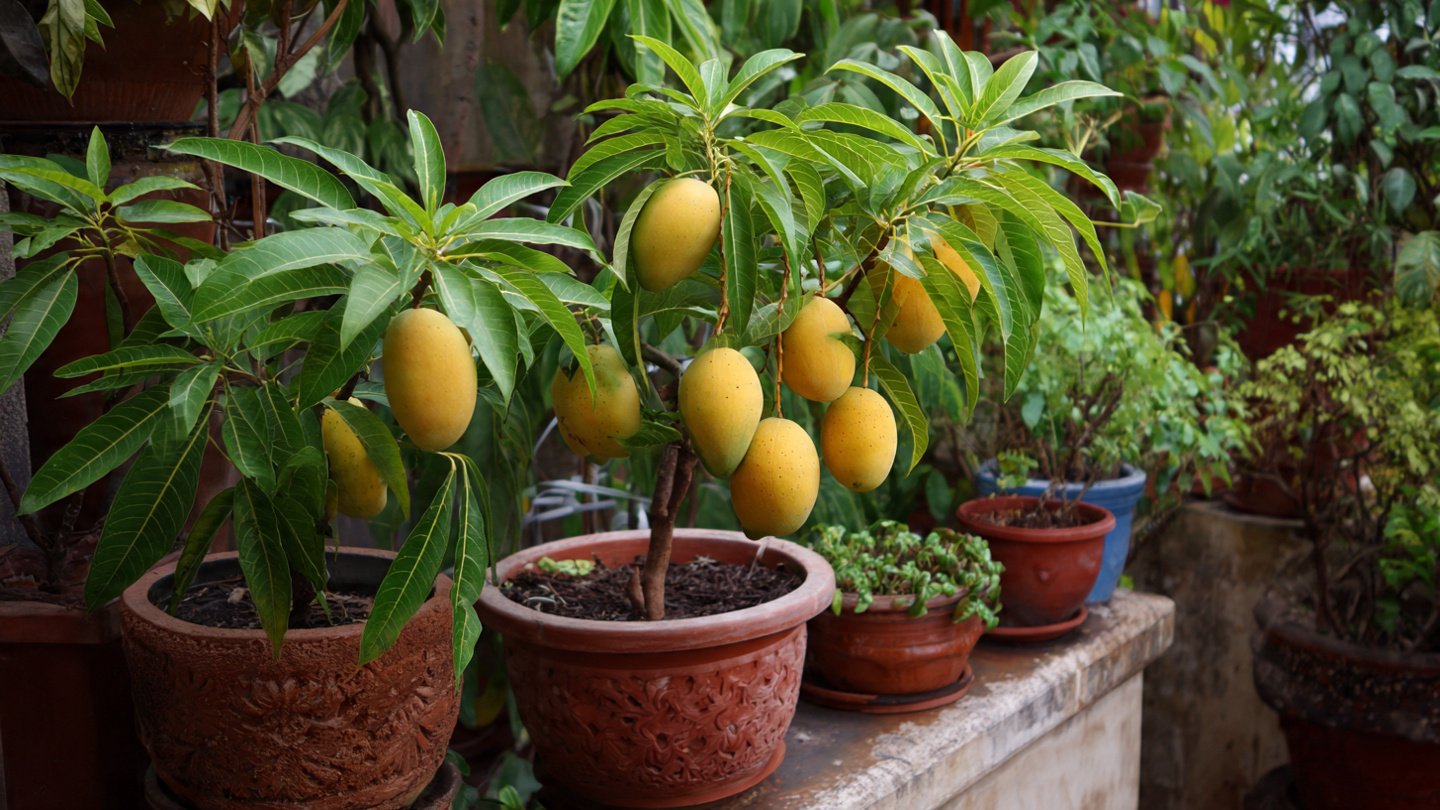
Mango trees, known for their luscious fruits and striking foliage, can be a delightful addition to any garden. For those with limited space, growing a mango tree in a pot or container is a perfect solution. This article will guide you through the process of successfully cultivating mango trees in pots, ensuring you enjoy the joys of homegrown mangoes, even from a small space.
Choosing the Right Mango Variety
When cultivating mango trees in pots, selecting the appropriate variety is crucial. Some mango varieties are more suited for container growth than others. Here are a few recommended varieties:
Latest Posts
- With Just 1 Bottle of Water How I Was Shocked by What Happened When Growing Vegetables
- Maximize Your Home Garden with the Hanging Pea Sprout Growing Model – Space-Saving, High-Yield, and Easy-to-Manage Vertical Gardening Solution
- Just Water – The Secret to Growing Plump, White Peanut Sprouts Right at Home: A Step-by-Step Guide for Beginners
- Growing Zucchini at Home in a Container: How to Cultivate Large, Long Fruits with a 1-to-72 Day Step-by-Step Diary for Maximum Yield
- Grow Long Beans on the Terrace in Used Recycling Baskets: The Ultimate Guide to Easy, Space-Saving, and High-Yield Terrace Gardening
- How to Grow Tons of Long Beans Easily Without a Garden – A Complete Guide to Growing Healthy Yardlong Beans Without Fertilizers or Pesticides
- Easy Long Bean Growing Trick – No Garden, No Fertilizer, No Pesticide
- Grow Bitter Melon in Bottles — Harvest So Big You Can’t Eat It All! The Ultimate Guide to Bottle Gardening for Maximum Yields
- Growing Garlic Made Easy: No Soil, Fast Results – The Ultimate Guide to Growing Fresh Garlic Indoors Without Traditional Soil
- Wall-Mounted Hydroponic Watermelon System: Grow Large, Juicy, and Delicious Watermelons at Home with Minimal Space and Maximum Yield
- ‘Tommy Atkins’: Known for its disease resistance and adaptability, it has a great flavor and is relatively easy to grow.
- ‘Haden’: A juicy, sweet mango that grows well in pots, it has vibrant skin and a delightful aroma.
- ‘Pickering’: This semi-dwarf variety is perfect for container gardening. It produces sweet, small to medium-sized fruits and is known for its compact size.
- ‘Pineapple’: Known for its fragrant and sweet flavor, this variety is small enough to thrive in a pot.
Container Selection
Choosing the right container is paramount for the health and productivity of your mango tree. Here are key considerations:
Size
Opt for a container that is at least 15-20 gallons in size to provide enough space for root development. As the tree matures, you may need to repot it into a larger container.

Drainage
Ensure that the pot has ample drainage holes to prevent water accumulation, which can lead to root rot. You may also consider elevating the pot with feet or placing it on bricks to improve drainage.
Material
Containers can be made from various materials, such as plastic, wood, or clay. While clay pots are aesthetically pleasing and provide breathability, plastic pots are lightweight and retain moisture better. Choose a material that suits your environment and aesthetic preference.
Potting Mix
The right potting mix is essential for healthy plant growth. Here are some tips for creating an ideal environment:
- Drainage: A mix that retains some moisture while allowing excess water to drain is vital. A combination of potting soil, perlite, and sand often works well.
- pH Levels: Mango trees thrive in slightly acidic to neutral soil with a pH of around 5.5 to 7.0.
Potting Process
- Fill the Bottom: Start by placing a layer of gravel or small stones at the bottom of the pot for drainage.
- Add Potting Mix: Fill the pot with your chosen potting mix, leaving enough space for the root ball of the mango tree.
- Plant the Tree: Gently place your mango tree in the center, ensuring that the top of the root ball is level with the soil surface. Fill in any gaps with more potting mix and pat it down gently.
- Water Thoroughly: After planting, water the tree thoroughly to help settle the soil around the roots. Allow excess water to drain out of the holes.

Sunlight Requirements
Mango trees require full sun for optimal growth and fruit production. Aim to provide at least 6-8 hours of direct sunlight each day. If growing indoors, place your container near a south-facing window or consider using grow lights to supplement natural light.
Watering Schedule
Proper watering is crucial for container-grown mango trees. Here are some guidelines:
- Frequency: Water the tree deeply when the top inch of the soil feels dry to the touch. In warmer weather, this may mean watering several times a week, while in cooler months, it may be less frequent.
- Avoid Overwatering: It’s essential to avoid overwatering, which can lead to root rot. Always ensure the pot has good drainage.
Fertilizing Your Mango Tree
Mango trees benefit from regular feeding, especially during the growing season (spring and summer). Opt for a balanced fertilizer with an NPK ratio of 10-10-10 or 12-12-12. Follow these tips:
- Frequency: Fertilize every 4-6 weeks during the growing season.
- Application: Apply fertilizer according to the packet instructions to avoid over-fertilization, which can harm the plant.

Pruning and Training
Pruning is vital for maintaining the size and shape of your mango tree. Here’s how to do it:
- Timing: Prune in late winter or early spring before new growth begins.
- Technique: Remove any dead or diseased branches, as well as any shoots growing vertically. Aim to maintain an open center for good air circulation.
Pest Control
Container-grown mango trees can be prone to pests such as aphids, mango weevils, and scales. Here are some ways to manage these pests:
- Regular Inspections: Check your tree regularly for any signs of pests.
- Natural Remedies: Use insecticidal soap or neem oil as a natural treatment option.
- Companion Planting: Planting aromatic herbs like basil or marigolds near your mango tree can deter pests.
Harvesting Mangoes

Mango trees typically start bearing fruit in 2-4 years when grown in pots. When harvesting, look for the following signs:
- Color Change: Depending on the variety, the skin color will change as the fruit ripens.
- Aroma: Ripe mangoes will emit a sweet aroma.
- Firmness: Gently squeeze the fruit; it should yield slightly when ripe.
FAQs
1. Can I grow mango trees indoors?
Yes, mango trees can be grown indoors as long as they receive adequate sunlight (6-8 hours daily) and are planted in a sufficiently large container.
2. How often should I fertilize my mango tree?
Fertilize your mango tree every 4-6 weeks during the growing season with a balanced fertilizer.
3. What temperature is ideal for mango trees?
Mango trees thrive in warm climates. They prefer temperatures between 70°F and 100°F (21°C to 38°C) and are sensitive to frost.

4. Can I grow mango trees in colder climates?
While mango trees are tropical plants, you can grow them in colder climates by bringing them indoors during winter or providing them with a greenhouse environment.
5. How long does it take for mango trees to bear fruit?
Mango trees typically bear fruit within 2-4 years when grown from seed or grafted plants.
6. Is it necessary to prune my mango tree?
Yes, regular pruning helps maintain the shape, size, and health of the tree, promoting better air circulation and fruit production.
Conclusion
Growing mango trees in pots is an achievable and rewarding endeavor. With the right variety, container, soil mix, and care, you can enjoy the beauty of mango trees and the sweet taste of homegrown mangoes. Embrace container gardening bliss, and watch your mango tree thrive!