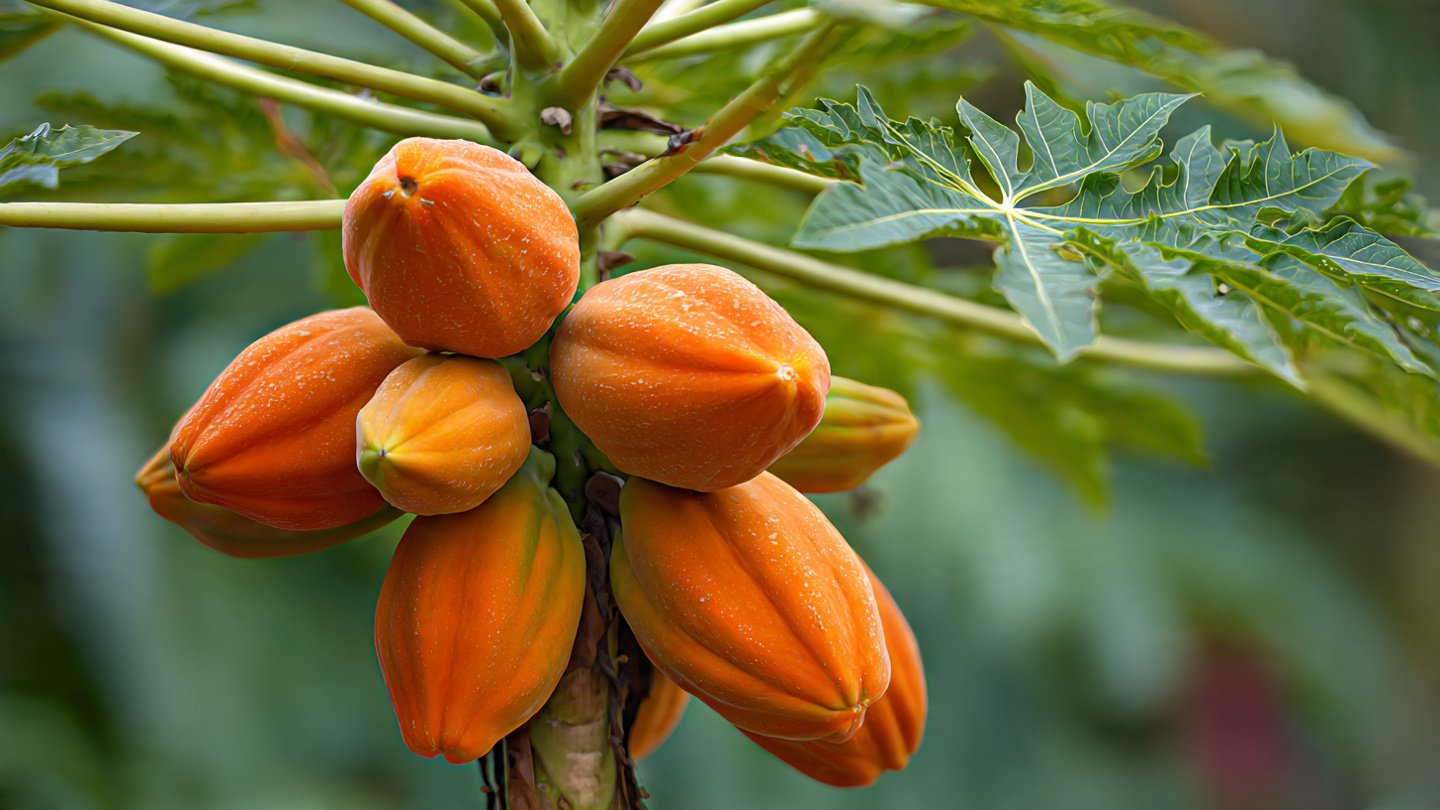
Growing papaya at home can be a rewarding experience, not only because of the delicious fruit but also due to the plant’s relatively easy care requirements. This comprehensive guide will walk you through the entire process of growing papaya from seed to fruit, providing essential tips, best practices, and a FAQ section at the end to address common concerns.
Understanding Papaya
What is Papaya?
Latest Posts
- With Just 1 Bottle of Water How I Was Shocked by What Happened When Growing Vegetables
- Maximize Your Home Garden with the Hanging Pea Sprout Growing Model – Space-Saving, High-Yield, and Easy-to-Manage Vertical Gardening Solution
- Just Water – The Secret to Growing Plump, White Peanut Sprouts Right at Home: A Step-by-Step Guide for Beginners
- Growing Zucchini at Home in a Container: How to Cultivate Large, Long Fruits with a 1-to-72 Day Step-by-Step Diary for Maximum Yield
- Grow Long Beans on the Terrace in Used Recycling Baskets: The Ultimate Guide to Easy, Space-Saving, and High-Yield Terrace Gardening
- How to Grow Tons of Long Beans Easily Without a Garden – A Complete Guide to Growing Healthy Yardlong Beans Without Fertilizers or Pesticides
- Easy Long Bean Growing Trick – No Garden, No Fertilizer, No Pesticide
- Grow Bitter Melon in Bottles — Harvest So Big You Can’t Eat It All! The Ultimate Guide to Bottle Gardening for Maximum Yields
- Growing Garlic Made Easy: No Soil, Fast Results – The Ultimate Guide to Growing Fresh Garlic Indoors Without Traditional Soil
- Wall-Mounted Hydroponic Watermelon System: Grow Large, Juicy, and Delicious Watermelons at Home with Minimal Space and Maximum Yield
Papaya (Carica papaya) is a tropical fruit known for its sweet, orange flesh and numerous health benefits. This fast-growing plant can reach up to 10-15 feet tall and produces large, yellow-orange fruits. The fruits are rich in vitamins C, E, A, and antioxidants, making them a fantastic addition to a healthy diet.
Ideal Growing Conditions
Papayas thrive in warm, humid climates with temperatures ranging from 70°F to 90°F (21°C to 32°C). They prefer well-drained soil that is rich in organic matter. If you live in cooler areas, consider using containers for indoor growth during the colder months.
Growing Papaya from Seeds
Step 1: Seed Selection
Choose seeds from ripe, healthy papayas. Organic or heirloom varieties are often preferred for better flavor and growth.
Step 2: Seed Preparation
Wash the seeds to remove the fruit’s gelatinous coating. Soak them in water for 24 hours to encourage germination. After soaking, place the seeds in a damp paper towel for 2-5 days until small roots appear.
Step 3: Germination
Prepare seed trays or small pots filled with potting mix. Plant the seeds about 1 inch deep. Water them gently and place the trays in a warm location with indirect sunlight. The seeds should germinate within 1-3 weeks.
Step 4: Seedling Care
Once the seedlings have developed their first true leaves, thin them out to ensure adequate spacing. Keep the soil moist but not waterlogged. A temperature range of 70°F to 85°F (21°C to 29°C) is optimal for growth.
Transplanting Seedlings
Step 1: Select the Right Location
Choose a sunny spot in your garden or patio with well-draining soil. Ensure the area is shielded from strong winds, as papayas can be susceptible to damage.
Step 2: Preparing the Soil
You can improve soil quality by amending it with organic compost. This provides nutrients, improves drainage, and enhances overall soil structure.
Step 3: Transplanting
Once the seedlings reach about 6-12 inches tall, carefully transplant them into the ground, maintaining at least 4-6 feet of space between each plant. Ensure the roots are covered well and water the newly planted papayas thoroughly.
Caring for Papaya Plants
Watering
Papaya plants require consistent watering, especially during dry spells. A good rule of thumb is to water them when the top inch of soil feels dry. However, be careful not to overwater, as this can lead to root rot.
Fertilization
Use a balanced fertilizer every six weeks. A fertilizer high in nitrogen will promote foliage growth, while a balanced mix can support fruit development. Organic options like compost tea or fish emulsion can also be beneficial.
Pruning
Prune your papaya plants to remove any dead or damaged leaves and to promote airflow around the plant. This helps reduce the risk of diseases and pest infestations.
Pest Management
Common pests that affect papayas include aphids, spider mites, and fruit flies. Regularly inspect the plants for signs of infestations. You can use insecticidal soap or neem oil as organic pest control measures.
Papaya Flowering and Fruiting
Flower Formation
Papaya plants can be male, female, or hermaphroditic. Generally, female plants produce fruit, while males produce pollen. Planting several seeds increases the chances of having at least one female or hermaphroditic plant.
Pollination
Female flowers require pollination to set fruit. If you have primarily male plants, you can manually pollinate the flowers using a small brush to transfer pollen from male flowers to the stigma of female flowers.
Fruit Development
Once pollinated, papaya fruits typically take about 5-6 months to mature. During this time, keep caring for your plants as described earlier.
Harvesting Papaya
When to Harvest
Papayas are typically ready to harvest when they turn yellowish and yield slightly to gentle pressure. Ensure that the fruit is fully colored, as this indicates ripeness.
How to Harvest
Use a sharp knife to cut the fruit from the stem, avoiding damage to the plant. If you’re harvesting unripe fruit for later ripening, keep it at room temperature.
Troubleshooting Common Issues
Yellow Leaves
If your papaya leaves are turning yellow, it could indicate a nutrient deficiency, overwatering, or poor drainage. Address the specific issue by adjusting your watering habits and evaluating the soil.
Pests and Diseases
If you notice pests or fungal diseases, consider using organic pesticides or fungicides, and ensure that you’re maintaining good air circulation.
Fruit Drop
If fruits fall prematurely, it could be due to stress factors such as extreme heat, lack of water, or nutrient deficiencies. Ensure all care practices are balanced and consistent.
Conclusion
Growing papaya at home can be a fulfilling gardening venture. With the right care, you can enjoy fresh, homegrown papayas straight from your garden. Remember to provide ideal growing conditions, monitor for pests, and watch your plants thrive!
FAQs
1. Can papayas grow indoors?
Yes, papayas can be grown indoors in pots, provided they receive ample sunlight and warmth.
2. How large do papaya trees grow?
Papaya trees can grow between 10-15 feet tall, depending on the variety and growing conditions.
3. How long does it take for a papaya tree to bear fruit?
Papaya trees generally bear fruit within 6-12 months from seed, depending on conditions and care.
4. How often should I fertilize my papaya plants?
Fertilizing every 6 weeks with a balanced fertilizer is recommended for optimal growth.
5. What pests should I watch out for?
Common pests include aphids, spider mites, and fruit flies. Regularly inspect your plants for any signs of infestation.
6. Can I grow papayas in pots?
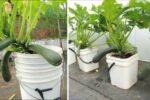
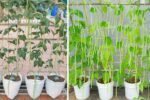
Yes, papayas can thrive in pots. Ensure good drainage and provide enough nutrients to support growth.
7. What soil type is best for growing papaya?
Papayas prefer well-drained, sandy or loamy soil enriched with organic matter.
8. Do papaya trees require a lot of water?
Yes, papayas need consistent moisture. However, avoid overwatering to prevent root rot.
9. Can I grow papaya from store-bought fruit?
Yes, you can grow papayas from seeds taken from ripe, organic fruit, but variety and quality may differ.
10. What should I do if my papaya fruit does not develop correctly?
Ensure proper pollination, check for nutrient deficiencies, and address environmental stressors to improve fruit development.
By following this guide, you’ll be well on your way to growing healthy and productive papaya trees in your garden. Enjoy the sweet rewards of your labor!