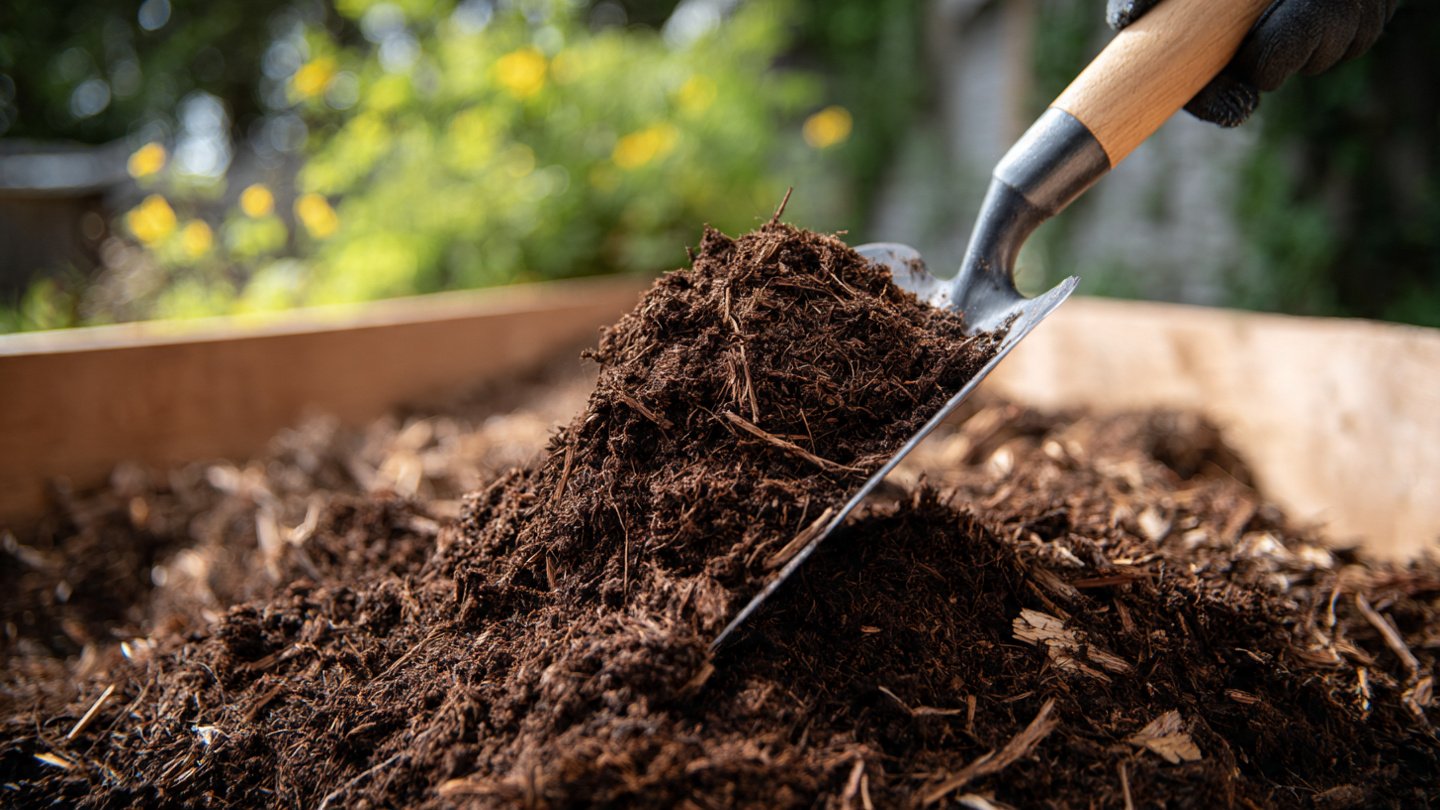
Composting is a natural process in which organic materials decompose into nutrient-rich soil. This process is crucial for sustainable gardening and reducing landfill waste. One of the key factors that can dramatically influence the compost breakdown process is the rhythm at which we turn the compost pile. In this article, we’ll explore how perfecting your turning rhythm can enhance compost breakdown and yield high-quality compost for your gardening needs.
The Science of Composting
Before diving into turning rhythms, it’s essential to understand the science behind composting. Composting involves microorganisms, such as bacteria and fungi, that break down organic matter. The efficiency of this biological process is influenced by several factors:
Latest Posts
- With Just 1 Bottle of Water How I Was Shocked by What Happened When Growing Vegetables
- Maximize Your Home Garden with the Hanging Pea Sprout Growing Model – Space-Saving, High-Yield, and Easy-to-Manage Vertical Gardening Solution
- Just Water – The Secret to Growing Plump, White Peanut Sprouts Right at Home: A Step-by-Step Guide for Beginners
- Growing Zucchini at Home in a Container: How to Cultivate Large, Long Fruits with a 1-to-72 Day Step-by-Step Diary for Maximum Yield
- Grow Long Beans on the Terrace in Used Recycling Baskets: The Ultimate Guide to Easy, Space-Saving, and High-Yield Terrace Gardening
- How to Grow Tons of Long Beans Easily Without a Garden – A Complete Guide to Growing Healthy Yardlong Beans Without Fertilizers or Pesticides
- Easy Long Bean Growing Trick – No Garden, No Fertilizer, No Pesticide
- Grow Bitter Melon in Bottles — Harvest So Big You Can’t Eat It All! The Ultimate Guide to Bottle Gardening for Maximum Yields
- Growing Garlic Made Easy: No Soil, Fast Results – The Ultimate Guide to Growing Fresh Garlic Indoors Without Traditional Soil
- Wall-Mounted Hydroponic Watermelon System: Grow Large, Juicy, and Delicious Watermelons at Home with Minimal Space and Maximum Yield
- Moisture Content: A well-balanced moisture level is key to supporting microbial activity.
- Carbon to Nitrogen Ratio (C:N): The ideal ratio for composting is approximately 30:1.
- Temperature: Higher temperatures often speed up decomposition but require proper management.
- Oxygen Levels: Aerobic microorganisms require oxygen to thrive.
All these factors work synergistically, and turning your compost pile plays a crucial role in maintaining these conditions.

The Role of Turning in Composting
Turning your compost pile effectively aerates the material, facilitating the breakdown process. When compost is turned, the outer layers are moved to the center, allowing for even heat distribution and preventing anaerobic conditions that lead to foul odors. Perfecting your turning rhythm ensures a consistent mix, oxygen flow, and proper moisture levels, enhancing decomposition speed.
Perfecting Your Turning Rhythm
When we talk about “turning rhythm,” we’re referring to how often and how methodically you turn your compost. Here are key aspects to consider:
1. Frequency of Turning
The frequency of turning your compost pile can significantly impact decomposition. A typical guideline is to turn the pile every 1-2 weeks. However, the ideal frequency can vary based on several factors:
- Material Type: High-nitrogen materials (like food scraps) may require more frequent turning.
- Temperature: If the pile is cooling down, it may need a turn to reactivate microbial activity.

2. Technique
Using the right technique for turning can also affect the breakdown. Here are some effective methods:
- Fork Method: Use a garden fork to lift and turn the pile, ensuring to mix materials thoroughly.
- Shovel Method: A shovel can move larger quantities of material, but be careful not to compact the pile.
- Compost Tumblers: These devices allow for easy turning with minimal physical effort.
3. Timing
The best time to turn your compost is when it reaches a specific temperature, typically between 130°F to 150°F (54°C to 66°C). Turning at this stage allows you to boost microbial activity and keep the breakdown process effective.
Benefits of a Perfect Turning Rhythm

By perfecting your turning rhythm, you create a more efficient composting process. Here are some benefits:
- Faster Decomposition: Frequent, evenly spaced turns lead to quicker breakdown of materials.
- Odor Control: Proper aeration minimizes unpleasant smells associated with anaerobic processes.
- Uniform Quality: Regular turning results in a more consistent compost texture and nutrient profile.
Additional Tips for Successful Composting
Beyond turning, several practices can enhance your composting experience:
- Layering: Alternate layers of green and brown materials to maintain the ideal C:N ratio.
- Moisture Management: Keep the compost damp, like a wrung-out sponge, to optimize microbial activity.
- Regular Monitoring: Check the temperature and moisture levels frequently to ensure optimal conditions.

Conclusion
Composting is an invaluable practice for creating nutrient-rich soil and reducing waste. By understanding the importance of turning and perfecting your turning rhythm, you’ll significantly enhance the breakdown of compost materials. Embrace the science of compost, and let the rhythm of your turning create a healthier garden ecosystem. Not only will you accelerate the composting process, but you’ll also produce a richer, more effective product to nourish your plants.
Frequently Asked Questions (FAQs)
1. How often should I turn my compost?
Generally, turning your compost every 1-2 weeks is recommended. However, monitor factors like temperature and moisture for adjustments.
2. Can I use a pitchfork to turn compost?
Yes, a pitchfork is an excellent tool for turning compost, as it helps aerate the material effectively.
3. What should I do if my compost smells bad?
A foul smell usually indicates anaerobic conditions. Turn the compost, add more browns (carbon-rich materials), and ensure proper aeration.
4. Is it okay to add meat or dairy to my compost?
It’s best to avoid adding meat or dairy products, as they can attract pests and lead to odor issues. Stick to plant-based materials.
5. How can I speed up composting?
To speed up composting, maintain the right moisture level, turn the pile regularly, and balance green and brown materials.