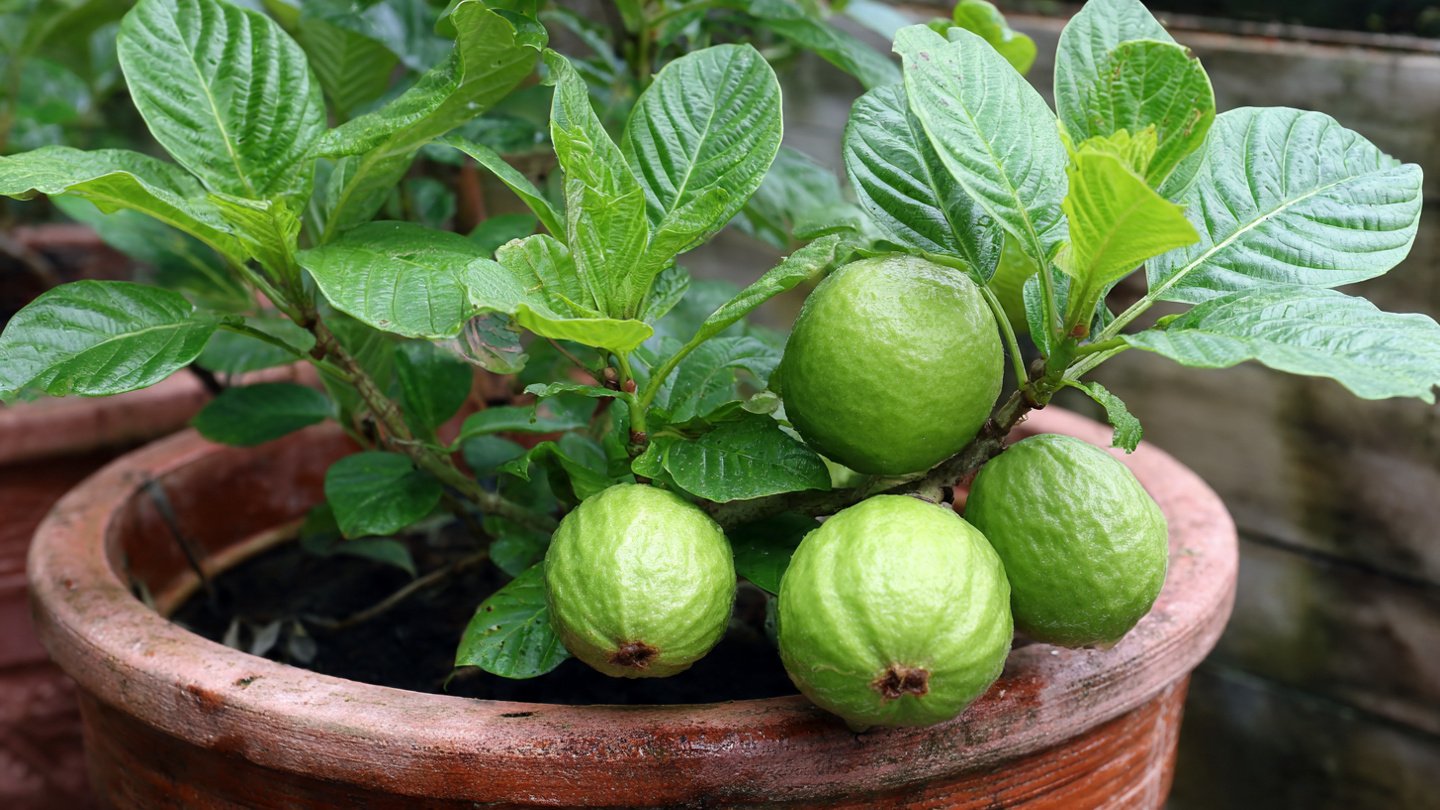
Guava (Psidium guajava) is an incredibly versatile and resilient fruit tree that can grow in various climates. For those with limited garden space or unfavorable soil conditions, growing guava in pots is an excellent alternative. This guide will walk you through the best practices for cultivating guava in containers, ensuring you achieve a fruitful harvest.
Understanding Guava
Guava is a tropical fruit known for its unique flavor and nutritional benefits. It’s rich in vitamin C, fiber, and antioxidants, making it a desirable addition to any diet. There are several varieties of guava, including common types like white, pink, and strawberry guavas. Understanding the specific traits of your chosen variety will help you cater your cultivation practices accordingly.
Latest Posts
- With Just 1 Bottle of Water How I Was Shocked by What Happened When Growing Vegetables
- Maximize Your Home Garden with the Hanging Pea Sprout Growing Model – Space-Saving, High-Yield, and Easy-to-Manage Vertical Gardening Solution
- Just Water – The Secret to Growing Plump, White Peanut Sprouts Right at Home: A Step-by-Step Guide for Beginners
- Growing Zucchini at Home in a Container: How to Cultivate Large, Long Fruits with a 1-to-72 Day Step-by-Step Diary for Maximum Yield
- Grow Long Beans on the Terrace in Used Recycling Baskets: The Ultimate Guide to Easy, Space-Saving, and High-Yield Terrace Gardening
- How to Grow Tons of Long Beans Easily Without a Garden – A Complete Guide to Growing Healthy Yardlong Beans Without Fertilizers or Pesticides
- Easy Long Bean Growing Trick – No Garden, No Fertilizer, No Pesticide
- Grow Bitter Melon in Bottles — Harvest So Big You Can’t Eat It All! The Ultimate Guide to Bottle Gardening for Maximum Yields
- Growing Garlic Made Easy: No Soil, Fast Results – The Ultimate Guide to Growing Fresh Garlic Indoors Without Traditional Soil
- Wall-Mounted Hydroponic Watermelon System: Grow Large, Juicy, and Delicious Watermelons at Home with Minimal Space and Maximum Yield
Choosing the Right Container
When growing guava in pots, selecting the right container is crucial. A suitable pot should:
-
Size: Use a container that is at least 5 gallons (19 liters) for younger trees and 15-20 gallons (57-76 liters) for mature trees. A larger pot provides ample space for root development and supports healthy growth.
-
Material: Choose pots made of materials that provide good drainage (e.g., clay, plastic, or wood). Ensure that the pot has drainage holes at the bottom to prevent waterlogging.
-
Mobility: Consider a pot with wheels or a lightweight material for easy movement, allowing you to relocate your guava plant to take advantage of sunlight or to protect it from extreme weather conditions.
Soil Requirements
Guavas thrive in well-draining soil rich in organic matter. Here are some soil tips:
-
Potting Mix: Use a high-quality potting mix that contains peat moss, perlite, and compost. This blend promotes drainage while supplying the necessary nutrients.
-
pH Level: Aim for a slightly acidic to neutral pH (6.0 to 7.0). You can test your soil’s pH with inexpensive soil testing kits available at garden centers.
-
Nutrients: Incorporate organic fertilizers like compost or well-rotted manure. Ensure your soil has adequate nutrients for vigorous growth.
Planting Your Guava Tree
Proper planting is essential for the success of your guava tree:
-
Timing: Plant guava in the spring after the last frost. This gives the tree ample time to establish before winter.
-
Depth: Dig a hole twice the width of the root ball but no deeper than the root ball itself. This provides room for roots to spread without suffocating them.
-
Placement: Position your guava tree so the graft union (if applicable) is at soil level. After planting, water the tree thoroughly to help settle the soil.
Sunlight Requirements
Guava trees require full sun for optimal growth and fruiting:
-
Light Requirements: Ensure your guava plant receives at least 6-8 hours of direct sunlight daily. If growing indoors, place it near a south-facing window.
-
Rotating the Pot: If your pot is movable, rotate it occasionally to ensure even growth, as one side can become lopsided if it consistently faces away from the sun.
Watering Practices
Water management is vital for potted guava trees:
-
Frequency: Water regularly but allow the soil to dry out slightly between waterings. Guavas are drought tolerant but will not thrive if consistently dry.
-
Testing Moisture: Check moisture levels by inserting your finger into the soil; if the top inch feels dry, it’s time to water.
-
Winter Care: In winter, reduce watering as the plant’s growth slows down; overwatering during this period can lead to root rot.
Fertilizing Guava Trees
Regular fertilization is necessary to support growth and fruit production:
-
Type of Fertilizer: Use a balanced liquid fertilizer or a slow-release granule formulated for fruit trees. Opt for one with higher nitrogen levels in the early growing season and switch to a potassium-dominant formula when fruiting occurs.
-
Application Frequency: Fertilize every 4-6 weeks during the growing season (spring through summer). Avoid fertilizing during fall and winter.
Pruning and Training
Pruning encourages healthy growth and air circulation, which is essential for fruiting:
-
Timing: Prune during late winter or early spring before new growth begins.
-
Technique: Remove dead or crossing branches and aim for an open-center structure to enhance airflow. Pinch back new growth to encourage bushiness and lateral branching.
Pest and Disease Management
Although guavas are generally resistant to pests and diseases, monitoring is crucial:
-
Common Pests: Watch for aphids, mealybugs, and fruit flies. Methods for control include insecticidal soap, neem oil, or introducing beneficial insects like ladybugs.
-
Diseases: Fungal diseases like leaf spot can affect guavas. Ensure good airflow and avoid overhead watering to minimize susceptibility.
Harvesting Guavas
When your guava fruit begins to ripen:
-
Ripeness Indicators: Harvest guavas when they start to change color, feel slightly soft when squeezed, or emit a sweet aroma.
-
Picking: Gently twist the fruit from the stem rather than pulling to avoid damaging the tree.
FAQs
Q: Can guava trees grow indoors?
A: Yes, guava trees can be grown indoors as long as they receive sufficient sunlight, ideally 6-8 hours daily.
Q: Do I need to pollinate guava flowers?
A: Guava trees are generally self-pollinating. However, beneficial insects encourage better fruit set and can be helpful.
Q: How often should I repot my guava?
A: Repot every 2-3 years or when the roots outgrow the pot. This refreshes the soil and allows for further expansion.
Q: What climate is best for guava?
A: Guavas thrive in tropical and subtropical climates. However, they can tolerate a range of conditions as long as they are protected from frost.
Q: How long does it take for guava trees to bear fruit?
A: Guava trees typically begin to produce fruit within 2-4 years after planting.
By following these best practices, you can successfully grow guava in pots, enjoying the delightful fruits and lush foliage in your home or garden. Whether you’re a seasoned gardener or a beginner, nurturing guavas in containers can be a rewarding endeavor!