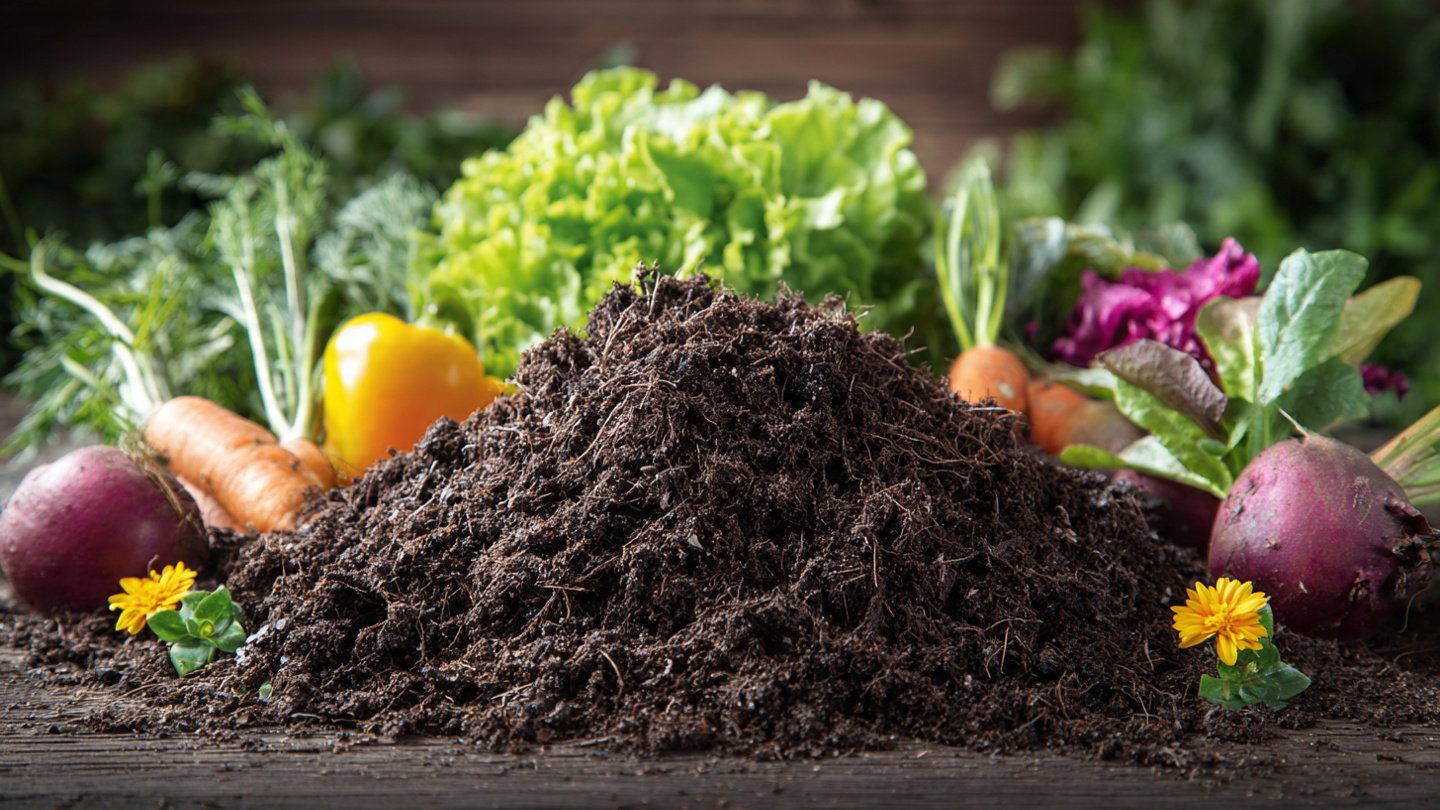
Composting is an essential practice for sustainable waste management and environmental stewardship. Among the various factors that contribute to successful composting, moisture balance is paramount. Achieving the right moisture level not only supports microbial activity but also influences the speed and quality of the composting process. This article explores the importance of moisture balance, methods to achieve it, and the impact of moisture on compost health.
Understanding Compost Moisture
Moisture in compost refers to the water content present in the compost material. This water is crucial for several reasons:
Latest Posts
- With Just 1 Bottle of Water How I Was Shocked by What Happened When Growing Vegetables
- Maximize Your Home Garden with the Hanging Pea Sprout Growing Model – Space-Saving, High-Yield, and Easy-to-Manage Vertical Gardening Solution
- Just Water – The Secret to Growing Plump, White Peanut Sprouts Right at Home: A Step-by-Step Guide for Beginners
- Growing Zucchini at Home in a Container: How to Cultivate Large, Long Fruits with a 1-to-72 Day Step-by-Step Diary for Maximum Yield
- Grow Long Beans on the Terrace in Used Recycling Baskets: The Ultimate Guide to Easy, Space-Saving, and High-Yield Terrace Gardening
- How to Grow Tons of Long Beans Easily Without a Garden – A Complete Guide to Growing Healthy Yardlong Beans Without Fertilizers or Pesticides
- Easy Long Bean Growing Trick – No Garden, No Fertilizer, No Pesticide
- Grow Bitter Melon in Bottles — Harvest So Big You Can’t Eat It All! The Ultimate Guide to Bottle Gardening for Maximum Yields
- Growing Garlic Made Easy: No Soil, Fast Results – The Ultimate Guide to Growing Fresh Garlic Indoors Without Traditional Soil
- Wall-Mounted Hydroponic Watermelon System: Grow Large, Juicy, and Delicious Watermelons at Home with Minimal Space and Maximum Yield
-
Microbial Activity: Microorganisms, including bacteria and fungi, require moisture to survive and thrive. They use water to absorb nutrients and facilitate metabolic processes.
-
Temperature Regulation: The moisture level can influence the temperature within the compost pile. Adequate moisture contributes to optimal heat generation, which is essential for breaking down organic materials.
-
Material Breakdown: Water helps to dissolve soluble nutrients and facilitates the breakdown of complex organic materials into simpler forms.
Ideal Moisture Levels
The ideal moisture content for compost is between 40% and 60%. Moisture levels below 40% can inhibit microbial activity, slowing down the composting process, while levels above 60% can lead to anaerobic conditions, resulting in odors and incomplete decomposition.

Factors Influencing Moisture Balance
Several factors influence the moisture content of a compost pile, including:
-
Environmental Conditions: Rainfall, humidity, and temperature play significant roles in the moisture levels of outdoor compost bins.
-
Material Composition: The water content of the organic material being composted varies widely. For example, kitchen scraps (like fruits and vegetables) are often moist, while dry materials (like straw and leaves) can absorb moisture.
-
Airflow: Proper airflow distributes moisture evenly throughout the compost pile and prevents excessive moisture accumulation in certain areas.
-
Size of the Compost Pile: Larger piles retain moisture better than smaller ones, but they also require careful monitoring for moisture levels.
Achieving the Right Moisture Balance
1. Selecting Compost Materials
Understanding the moisture content of different compost materials is the first step in achieving an optimal moisture balance. Composting materials can be categorized as ‘greens’ and ‘browns’:

-
Greens: These materials are rich in nitrogen and include kitchen scraps, grass clippings, and fresh leaves. They typically have higher moisture content.
-
Browns: These include dry leaves, straw, sawdust, and paper. They are high in carbon and generally have low moisture content.
An essential guideline is to maintain a ratio of 2:1 (greens to browns) to promote microbial activity while keeping moisture levels manageable.
2. Monitoring Moisture Levels
Regular monitoring is crucial for maintaining the ideal moisture level. Here are some practical ways to check moisture:
-
The Squeeze Test: Take a handful of compost and squeeze it tightly. If a few drops of water escape, the moisture level is appropriate. If only a little moisture is present, add water; if water streams out, add more dry materials.
-
Soil Moisture Meter: For more precision, consider using a soil moisture meter, which can provide accurate readings of moisture levels in the compost.
3. Adjusting Moisture Content

-
Adding Water: If your compost pile is too dry, sprinkle water over it, ensuring that the moisture penetrates the materials. Avoid soaking the pile, as this can create anaerobic conditions.
-
Incorporating Dry Materials: If your compost is too wet, incorporate dry browns to help absorb excess moisture. This will help restore balance and improve aeration.
-
Aeration: Turning the compost pile increases aeration, helping to diffuse excess moisture and fostering aerobic conditions. Ensure that the pile is turned regularly, especially if it’s been too wet.
4. Seasonal Considerations
The season can significantly influence your compost’s moisture levels:
-
Spring and Summer: These warmer months can dry out compost quickly. Regularly monitor and adjust moisture levels, especially if conditions are particularly dry.
-
Fall and Winter: Cooler temperatures and precipitation can make compost piles too wet. Keep an eye on project locations to account for potential rain.
Effects of Improper Moisture Balance

A lack of proper moisture balance can lead to various issues:
-
Too Dry: A dry compost pile leads to reduced microbial activity, resulting in slower decomposition. This can leave large chunks of organic material and create an unattractive mess.
-
Too Wet: Excess moisture creates anaerobic conditions, causing foul odors and attracting pests. This condition can also create a slimy texture in the compost.
Advanced Techniques for Moisture Management
To further refine moisture management in your composting efforts, you can explore some advanced techniques:
1. Compost Tumbler
A compost tumbler is a rotating bin that allows you to easily combine materials and control moisture levels. The enclosed environment can help retain moisture while preventing excess precipitation from rain.
2. Geothermal Composting
This method takes advantage of the natural heat generated by microbial activity. By burying compost in the ground, you can create a more stable environment, helping to maintain steady moisture levels.

3. Using Biochar
Adding biochar to your compost can help retain moisture. Biochar is a charcoal-like substance that improves soil health and water retention characteristics, thus promoting a balanced microbiome within the compost.
Conclusion
Achieving the ideal moisture balance in compost bins is crucial for creating healthy, beneficial compost. By understanding the importance of moisture, monitoring levels, and adjusting materials as needed, composters can create an environment conducive to rapid decomposition. Whether you are new to composting or looking to refine your existing methods, paying attention to moisture can help you produce rich, nutrient-dense compost that supports sustainable gardening and agriculture.
With the right balance in place, your composting efforts will transform organic waste into a valuable resource that enriches your garden while minimizing landfill contributions—promoting both ecological health and personal satisfaction along the way.
Final Insight
Remember, composting is both an art and a science. As you experiment with different materials and techniques, you’ll gain a better understanding of what works best in your unique environment. Stay patient and persistent; the rewards of composting far outweigh the efforts involved. Happy composting!