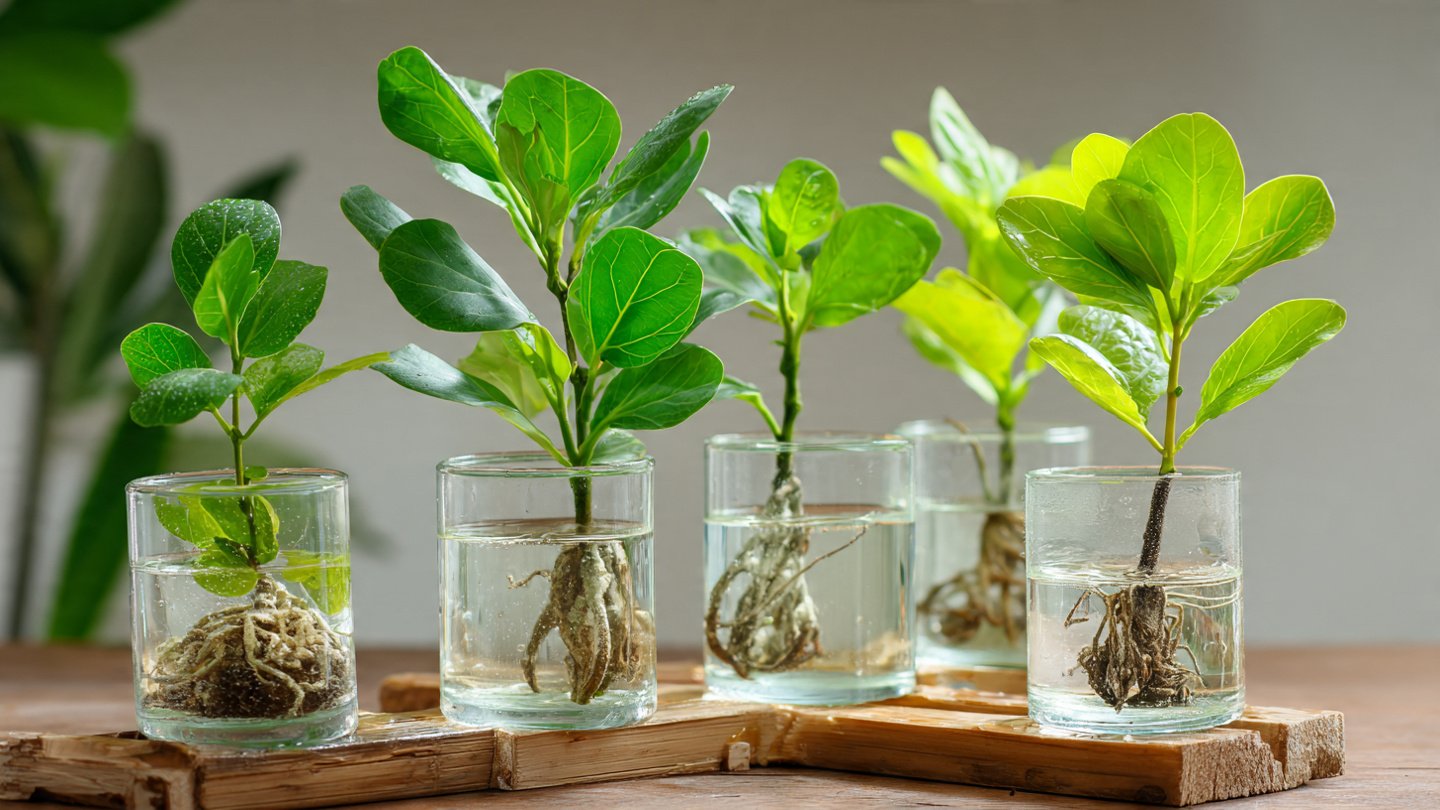
Growing plants from cuttings in water is not only an economical way to multiply your plant collection but also a rewarding and straightforward gardening practice. This guide will delve into the essentials of propagating plants from cuttings in water, including the types of plants suitable for this method, steps, tips for success, and a FAQs section to address common queries.
Understanding Plant Propagation
What is Plant Propagation?
Latest Posts
- With Just 1 Bottle of Water How I Was Shocked by What Happened When Growing Vegetables
- Maximize Your Home Garden with the Hanging Pea Sprout Growing Model – Space-Saving, High-Yield, and Easy-to-Manage Vertical Gardening Solution
- Just Water – The Secret to Growing Plump, White Peanut Sprouts Right at Home: A Step-by-Step Guide for Beginners
- Growing Zucchini at Home in a Container: How to Cultivate Large, Long Fruits with a 1-to-72 Day Step-by-Step Diary for Maximum Yield
- Grow Long Beans on the Terrace in Used Recycling Baskets: The Ultimate Guide to Easy, Space-Saving, and High-Yield Terrace Gardening
- How to Grow Tons of Long Beans Easily Without a Garden – A Complete Guide to Growing Healthy Yardlong Beans Without Fertilizers or Pesticides
- Easy Long Bean Growing Trick – No Garden, No Fertilizer, No Pesticide
- Grow Bitter Melon in Bottles — Harvest So Big You Can’t Eat It All! The Ultimate Guide to Bottle Gardening for Maximum Yields
- Growing Garlic Made Easy: No Soil, Fast Results – The Ultimate Guide to Growing Fresh Garlic Indoors Without Traditional Soil
- Wall-Mounted Hydroponic Watermelon System: Grow Large, Juicy, and Delicious Watermelons at Home with Minimal Space and Maximum Yield
Plant propagation is the process of creating new plants from existing ones. There are two primary methods: sexual propagation (from seeds) and asexual propagation (from cuttings, division, etc.). Water propagation falls under asexual methods, focusing on root development without soil.
Why Choose Water Propagation?
- Simplicity: Water propagation requires fewer materials than soil propagation. You just need water, a container, and the cuttings.
- Monitoring Growth: It’s easier to observe the roots forming in clear containers, offering real-time feedback on the plant’s health.
- Fewer Pests: Water propagation often reduces the risk of pests and soil-borne diseases.
- Speed: Many plants root more quickly in water compared to soil.
Choosing the Right Plants
Not all plants propagate effectively in water. Here are some ideal candidates:
Best Plants for Water Propagation
- Herbs: Basil, mint, and rosemary can root easily in water.
- Houseplants: Pothos, philodendron, and spider plants are popular choices.
- Succulents: Some succulents, like jade plants, can also be propagated from leaf cuttings in water.
- Flowers: Geraniums and carnations typically root well in water.
Plants That Don’t Work Well
While experimenting is encouraged, some plants do not thrive in water, such as:
- Cacti
- Most trees
- Plants with woody stems that require soil for stability
Step-by-Step Guide to Growing Plants from Cuttings in Water
Step 1: Select Your Cutting
- Choose a Healthy Plant: Always start with a healthy, robust plant.
- Select the Right Stem: Choose a stem that is disease-free and approximately 4-6 inches long. It should have multiple nodes (the parts where leaves join the stem).
- Make Your Cut: Use clean, sharp scissors or pruning shears to take your cutting. Cut just below a node, as this is where roots will emerge.
Step 2: Prepare the Cutting
- Remove Lower Leaves: Trim off any leaves on the lower part of the cutting to avoid them rotting in the water.
- Optional: Dip the cut end in rooting hormone to speed up root development, though this is not necessary for all plants.
Step 3: Place in Water
- Choose a Container: Use a clear glass, jar, or vase. Make sure it’s clean to avoid bacterial growth.
- Fill with Water: Add enough water to submerge the nodes but not the leaves.
- Position the Cutting: Place the cutting in the water, ensuring that it is stable.
Step 4: Find the Right Spot
- Lighting: Place the container in a bright, indirect light area. Avoid direct sunlight which might cause overheating and algae growth.
- Temperature: Keep the environment warm and stable, ideally between 65°F to 75°F.
Step 5: Change the Water Regularly
- Frequency: Change the water every 5-7 days to keep it fresh and oxygenated.
- Check for Algae: If algae begins to form, clean the container and replace the water more frequently.
Step 6: Wait for Roots to Grow
- Patience is Key: Depending on the plant species, roots can take anywhere from a few days to several weeks to develop.
- Root Inspection: After about 2-4 weeks, check for root development by gently pulling the cutting out of the water.
Step 7: Transplanting to Soil (Optional)

Once the roots are about 2-3 inches long, you can choose to transplant your cuttings into soil if desired. Follow these steps:
- Prepare the Pot: Fill a small pot with quality potting soil.
- Make a Hole: Use your finger or a stick to create a hole for the roots.
- Plant the Cutting: Insert the rooted cutting into the soil and gently firm the soil around it.
- Water: Give it a good drink of water, ensuring it’s evenly moist but not soggy.
Tips for Success
1. Use Clean Tools
Always sterilize your scissors or pruning shears to prevent introducing diseases to your plants.
2. Avoid Leaf Contact
Ensure that no leaves are submerged in the water, as this can lead to rotting.
3. Be Patient
Rooting can take time, and various factors like temperature and light conditions can affect growth speed.
4. Fertilization
Once your cuttings are in soil and start to establish, consider fertilizing them lightly after a month to support continued growth.
Troubleshooting Common Issues
1. No Roots After Several Weeks
- Check Conditions: Ensure adequate light and temperature.
- Consider Hormones: Try using rooting hormone next time for more stubborn plants.
2. Yellowing Leaves
- Examine Light Level: Too much direct sunlight might scorch leaves.
- Water Quality: Check the water for debris or algae; a change might be necessary.
3. Foul Smell
- This could indicate rotting. Remove the cutting, clean the container, and replace the water.
Conclusion
Growing plants from cuttings in water is an accessible and fulfilling method to enhance your garden. With the right cuttings, patience, and maintenance, you can easily propagate a variety of plants and enjoy the satisfaction of nurturing new life. Whether you’re a beginner gardener or an experienced green thumb, this technique is a wonderful addition to your gardening toolkit.
FAQs
1. How long does it take for cuttings to root in water?
Rooting time can vary significantly depending on plant species, typically taking anywhere from a few days to several weeks.
2. Can I propagate any plant in water?
Not all plants propagate well in water. Great candidates include soft-stemmed plants like pothos and mint, while woody plants typically do better in soil.
3. How often should I change the water?
Change the water every 5-7 days to keep it fresh and to avoid bacterial growth.
4. Should I use tap water or distilled water?
Tap water is generally fine, but let it sit for 24 hours to allow chlorine to dissipate. Distilled water can be used as well for cleaner conditions.
5. Can I fertilize my cuttings in water?
Generally, it’s best to wait until your cuttings have rooted and been planted in soil before applying any fertilizer.
6. What’s the best type of container for water propagation?
A clear glass container is ideal as it allows you to monitor root growth, but any clean vessel can work as long as it is stable and holds enough water.
By following these guidelines, you’ll be well on your way to enjoying the satisfaction of propagating plants from cuttings in water, expanding your garden, and possibly sharing with friends and family the fruits of your hobby. Happy gardening!